You hit a paywall. Here’s the context on this topic based on publicly available information. We did not access any paywalled content. View original article.
China Benefits from US-Iran Tensions in Middle East
- China has expanded its diplomatic influence by positioning itself as a neutral player in global conflicts, including brokering a Saudi-Iran deal in March 2023.
- Amid ongoing rivalries, Beijing studies Western military engagements to assess and strengthen its own defense capabilities against the United States.
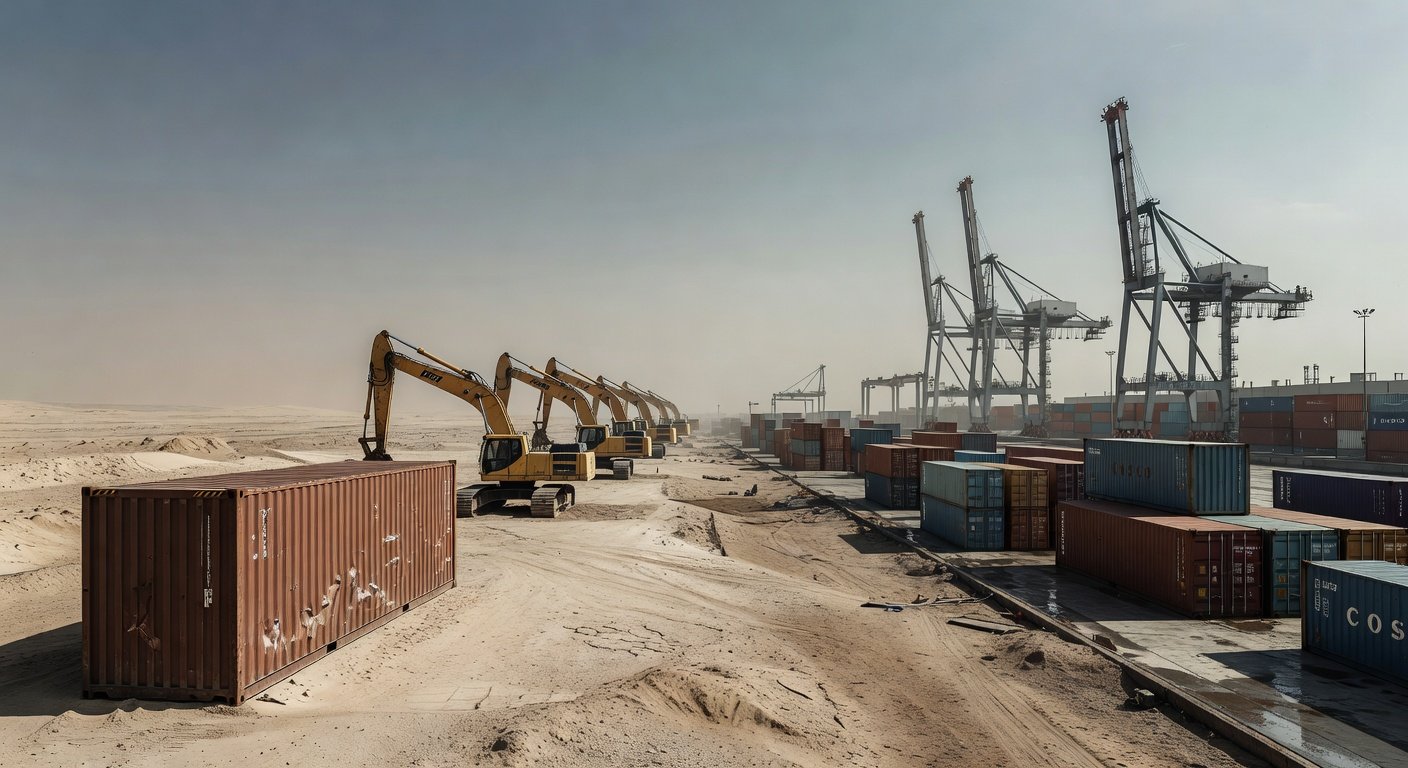
How China Is Winning the War With Iran · Image: Grok AI
Full Summary — powered by AI
In recent years, China has emerged as a key beneficiary of escalating tensions between the United States, Israel, and Iran, using the situation to enhance its global standing. As conflicts in the Middle East intensify, Beijing has capitalized on opportunities to present itself as a stable and impartial force on the world stage. This approach allows China to build alliances and expand economic ties, particularly with nations seeking alternatives to Western influence. For instance, China’s role in mediating disputes has grown, drawing on its increasing economic leverage in the region.
The broader context involves longstanding rivalries, with Iran facing sanctions and military pressures from the US and its allies, a dynamic that dates back to the 1979 Iranian Revolution and has escalated in recent decades. China, as a major trading partner with Iran—importing significant amounts of oil—stands to gain strategically by observing how these conflicts unfold, potentially informing its own military and foreign policy decisions. This positioning underscores the shifting balance of power in international relations, where non-Western powers like China challenge US dominance. Ultimately, these developments highlight why such geopolitical maneuvers matter: they could reshape global alliances, affect energy markets, and influence future conflicts, making the Middle East a critical arena for worldwide stability.
As nations navigate these complexities, the implications extend beyond immediate actors, potentially altering trade routes, security partnerships, and economic dependencies in the coming years.
Read More (Free Sources)
- China Benefits from US-Iran Tensions in Middle East — AP News — AP News
- China Benefits from US-Iran Tensions in Middle East — BBC — BBC
- China Benefits from US-Iran Tensions in Middle East — The Guardian — The Guardian