You hit a paywall. Here’s the context on this topic based on publicly available information. We did not access any paywalled content. View original article.
Iran Sets Conditions for Ships in Strait of Hormuz
- The Strait of Hormuz is a vital chokepoint for global oil transport, handling about 20-30% of the world's seaborne oil exports daily.
- Iran outlined these rules in a letter to the International Maritime Organization, dated March 22 and recently circulated to members.
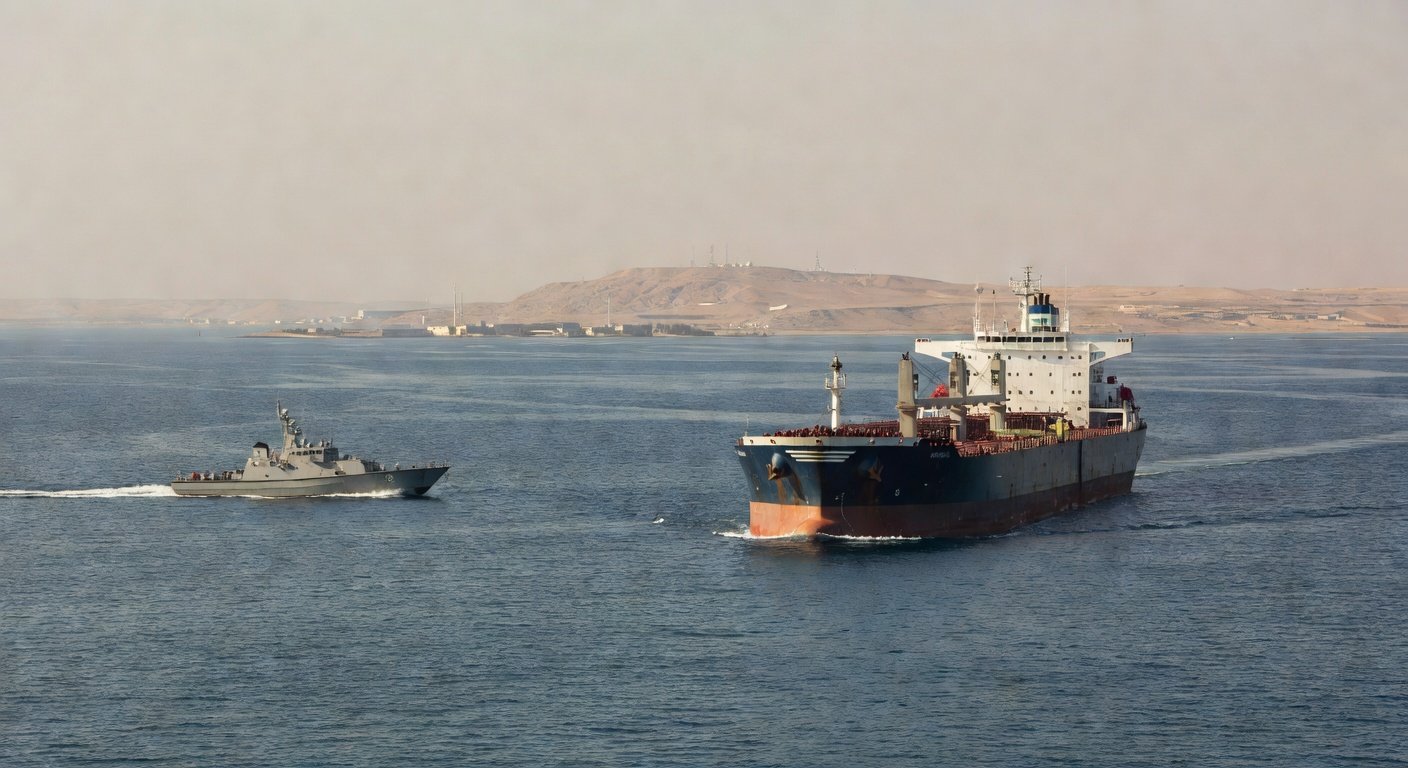
Iran Says Non-Hostile Ships Can Cross Hormuz on Its Terms · Image: Grok AI
Full Summary — powered by AI
Iran has announced that foreign ships can navigate the Strait of Hormuz, a key waterway in the Persian Gulf, provided they do not engage in activities seen as hostile and adhere to Tehran’s regulations. This statement reflects ongoing tensions in the region, where control over this strategic passage has been a point of international concern due to its role in global energy supplies. The conditions emphasize coordination with Iranian authorities, aiming to ensure safe passage while asserting sovereignty.
In broader context, the Strait of Hormuz connects the Persian Gulf to the Arabian Sea and is one of the most critical maritime routes for oil and gas shipments from Middle Eastern producers to global markets. Tensions have historically risen in this area, with past incidents involving naval disputes and sanctions against Iran over its nuclear program. This development comes amid geopolitical shifts, including efforts by various nations to secure energy routes and prevent disruptions that could spike global oil prices. By setting these terms, Iran is signaling its intent to regulate traffic in its waters, which could influence international shipping practices and diplomatic relations in the Middle East.
This matter highlights the delicate balance of power in a region prone to conflict, underscoring why stable access to the strait is essential for global economic stability. As countries navigate these conditions, it may prompt discussions on maritime law and international cooperation to avoid escalations.
Read More (Free Sources)
- Iran says 'non-hostile' ships can transit Strait of Hormuz, FT reports — Reuters
- Iran says 'non-hostile vessels' may transit Hormuz with coordination — Iran International
- Iran permits safe passage through Strait of Hormuz to vessels not involved in aggression — Anadolu Agency