You hit a paywall. Here’s the context on this topic based on publicly available information. We did not access any paywalled content. View original article.
Iran Live Updates: Israel Attacks Beirut and Tehran as U.S. Says Iranian Missile Strikes Are Decreasing
- Israeli forces reported a broad-scale attack on Tehran on Friday, following earlier strikes on Hezbollah strongholds in Lebanon, escalating the conflict in the Middle East.
- The Pentagon indicated that Iranian retaliatory missile strikes are decreasing, amid ongoing regional hostilities involving key international players.
Full Summary
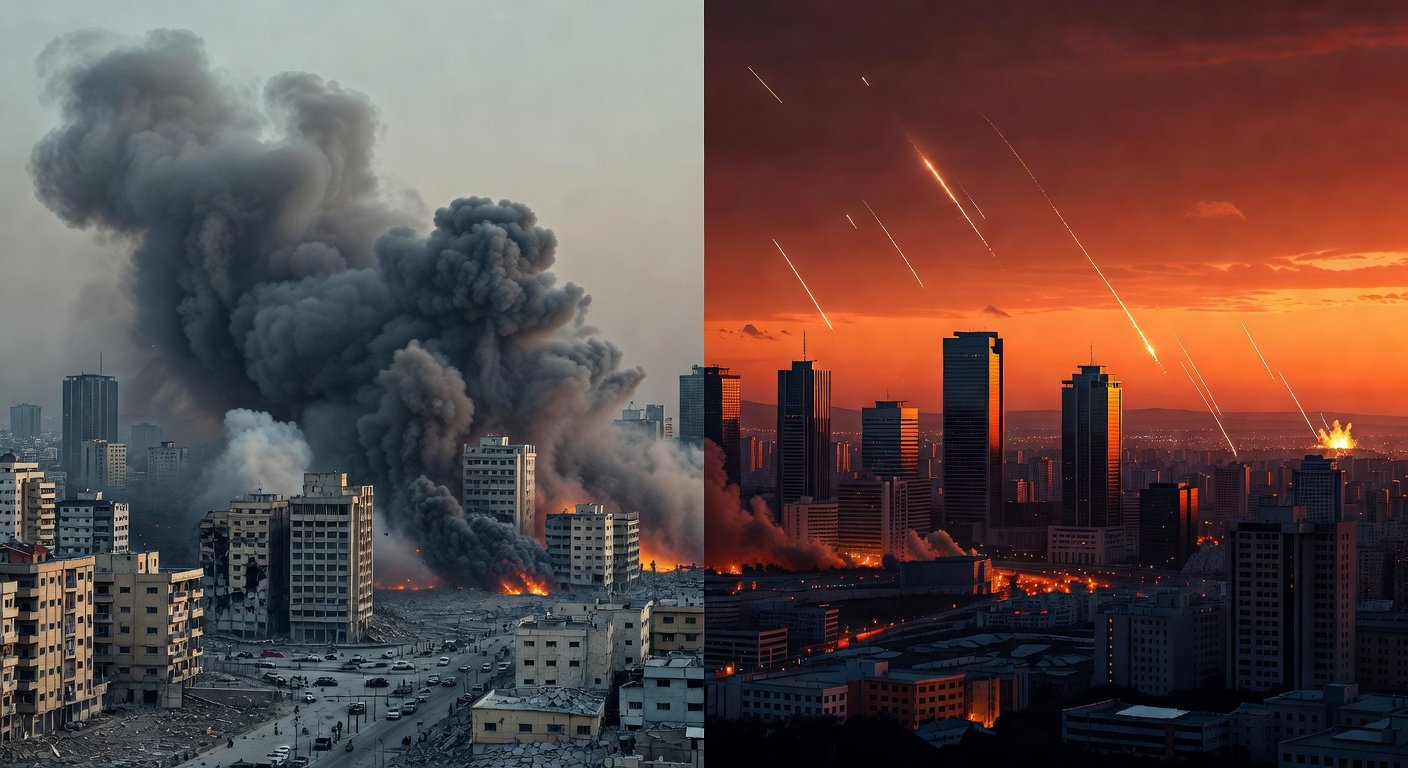
In a significant escalation of Middle East tensions, Israel has conducted military strikes on both Beirut in Lebanon and Tehran in Iran. The attacks on Tehran were described as a broad-scale operation targeting infrastructure, occurring in the early hours of Friday local time. This follows a series of exchanges between Israel and Iran-aligned groups, including Hezbollah, which has been actively involved in border skirmishes. The United States, through the Pentagon, has noted a reduction in Iranian missile launches, suggesting a possible de-escalation in immediate threats, though the situation remains volatile.
The broader context involves longstanding rivalries in the region, with Israel viewing Iran’s nuclear program and support for militant groups as direct threats to its security. These strikes come amid a history of proxy conflicts, including recent exchanges of fire that have drawn international concern. The involvement of the U.S. highlights its role as a key ally to Israel, potentially influencing diplomatic efforts to prevent a wider war. This development underscores the fragile state of Middle East peace, with risks of further instability affecting global energy markets and international relations, as world powers monitor the situation closely to avoid broader conflict.
Why this matters is that such escalations could disrupt regional stability, impact oil supplies, and draw in other nations, emphasizing the need for diplomatic interventions to de-escalate tensions and protect civilian lives.
Read More (Free Sources)
- Israel Strikes Iran Lebanon — BBC News — BBC News
- Pentagon Notes Decline Iranian — AP News — Reuters
- Live Updates Israel Targets — Al Jazeera — Al Jazeera