You hit a paywall. Here’s the context on this topic based on publicly available information. We did not access any paywalled content. View original article.
Analysis Suggests School Was Hit Amid U.S. Strikes on Iranian Naval Base
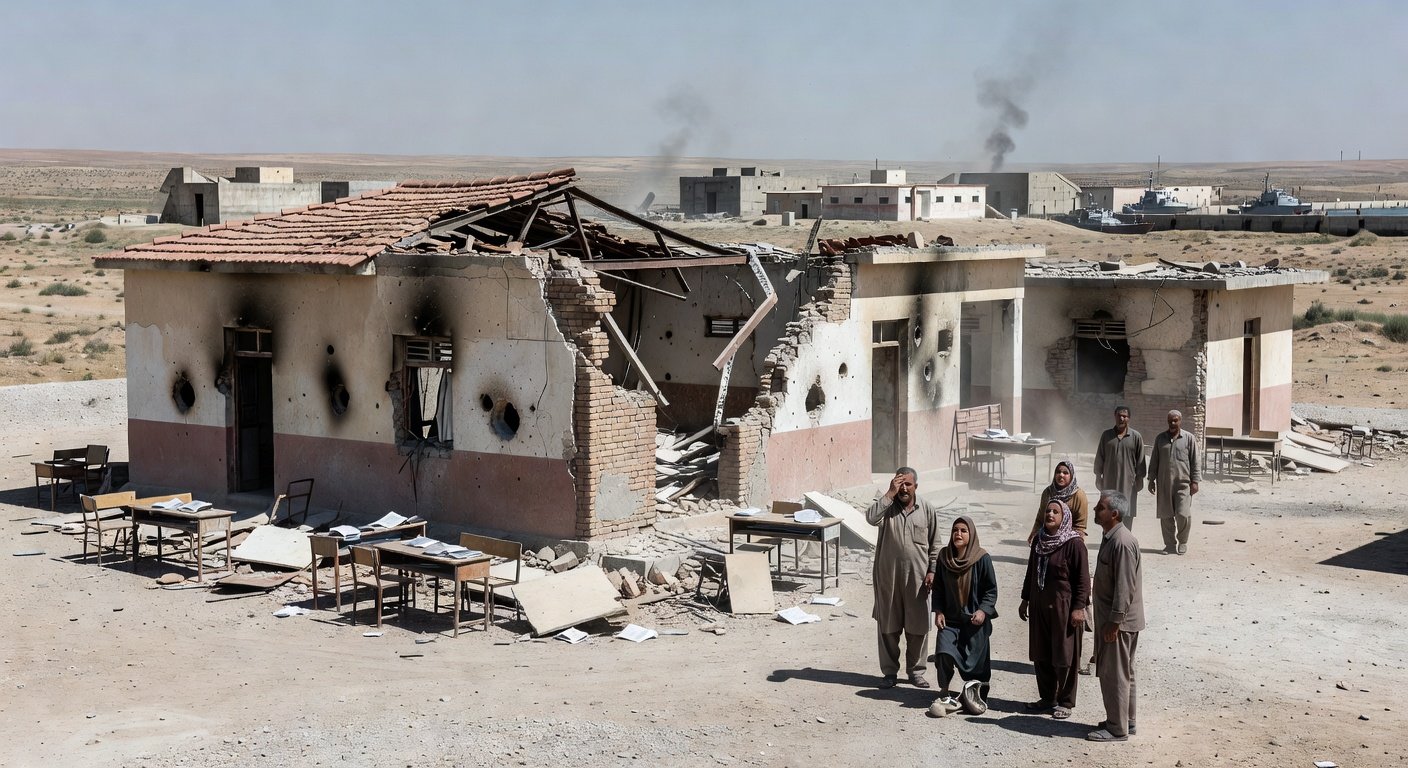
- The February 28 incident in Minab, Iran, reportedly resulted in dozens of civilian casualties, including children, highlighting risks to non-combatants in conflict zones.
- This event is connected to ongoing U.S. military actions in the Middle East, amid heightened tensions with Iran over regional security and proxy conflicts.
Full Summary
A recent analysis indicates that a strike on February 28 in the southern Iranian town of Minab may have been part of broader military operations targeting a nearby Iranian naval base. The event has drawn attention due to reports of significant civilian harm, including at an elementary school, underscoring the complexities of modern warfare in populated areas.
In the context of escalating tensions in the Middle East, such incidents often stem from retaliatory actions between the United States and Iran, involving alliances and proxy forces. For instance, U.S. forces have been active in the region to counter Iranian influence, with previous strikes linked to efforts to protect international shipping lanes and allies like Israel. This particular case raises questions about precision in military targeting and the unintended consequences on civilian infrastructure, as conflicts intensify over issues like nuclear programs and regional hegemony.
The broader implications of this event highlight the potential for escalation in an already volatile area, affecting global oil markets, diplomatic relations, and humanitarian efforts. As nations navigate these challenges, the need for de-escalation and adherence to international laws protecting civilians remains critical to preventing further loss of life and maintaining regional stability.
Read More (Free Sources)
- Military Actions Middle East — AP News — Reuters
- Analysis Iran Strike Incidents — BBC News — BBC News
- Civilian Impact Recent Middle — AP News — AP News