Woman Viciously Attacked While Serving Food To The Homeless In Los Angeles
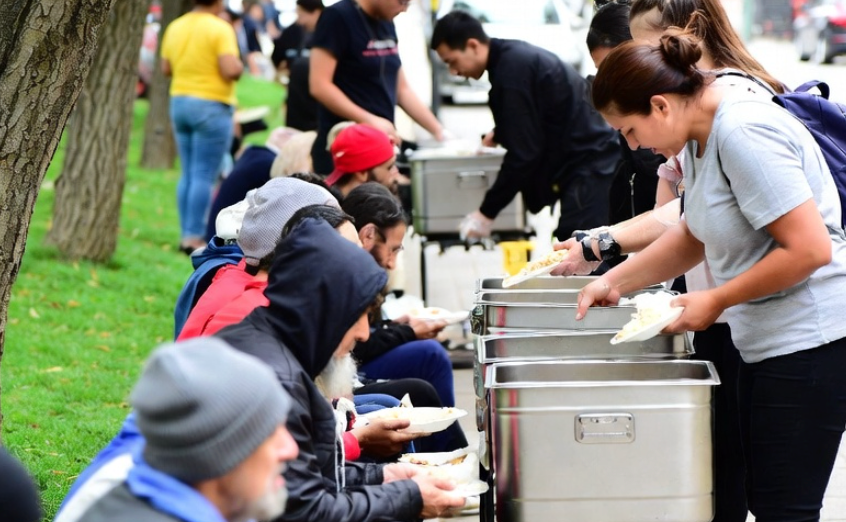
In the heart of Los Angeles, where urban decay and acts of compassion collide daily, a volunteer’s routine act of kindness turned into a nightmare. On February 22, Eva Woods, a dedicated community advocate who has spent six years running the MacArthur Project, was serving lunch to the unhoused in MacArthur Park when an unidentified woman approached from behind and struck her in the face with a metal pipe. The blow shattered Woods’ upper and lower jaw, knocked out six teeth, and required immediate surgery the following day. Her jaw remains wired shut as she recovers, facing an estimated $30,000 in dental implants and related care.
This violent, unprovoked attack—described by fellow organizers as a “bizarre one-off” unrelated to the park’s regular community—has sparked a GoFundMe campaign that has already raised nearly $39,000. Woods, posting from her hospital bed on Instagram, expressed resilience: “I am healing and will be back in the park as soon as physically possible. Being able to heal without worrying about money is a gift I can’t even describe.” Catherine Schetina, who organized the fundraiser, emphasized that the assailant was unknown to volunteers and others in the park, distancing the incident from the broader culture of mutual aid there.

The MacArthur Project, a volunteer-driven mutual aid group, distributes more than 700 meals weekly across three services, along with hygiene kits, groceries, tents, and other essentials. Woods has been a central figure in these efforts, embodying the grassroots response to one of America’s most visible homelessness crises. Yet her assault underscores a grim reality: even well-meaning interventions in high-risk environments carry dangers that no amount of goodwill can fully mitigate.
MacArthur Park, a 35-acre green space in the Westlake district, has long symbolized both the city’s aspirations and its failures. Once celebrated in popular culture—immortalized in the 1968 song by Richard Harris and later covered by others—it has devolved into a flashpoint for open-air drug markets, gang activity, and unchecked mental health crises. Federal authorities recently targeted the 18th Street Gang in a sweep, accusing members of turning parts of the park into a fentanyl and methamphetamine distribution hub protected by violence and extortion. Arrests in early March followed years of complaints about tents serving as drug stalls and a thriving underground economy fueled by addiction.
The park’s challenges extend beyond drugs. LAPD Chief Jim McDonnell has noted that roughly one-third of all department calls—about 40 per hour—stem from mental health crises, with areas like MacArthur Park and nearby Skid Row disproportionately affected. Los Angeles Fire Department Station 11, which covers the zone, logged 8,568 ambulance runs in the first eight months of 2025 alone, dwarfing its 55 structure fire responses. Overdose deaths remain alarmingly high; the 90057 ZIP code encompassing the park recorded 127 such fatalities from 2022 to 2023, second only to Skid Row in LA County.
City officials, led by Mayor Karen Bass and Councilmember Eunisses Hernandez (whose district includes the park), have poured more than $27 million into “care-first” initiatives, including outreach, housing placements, and programming. A temporary fencing along Alvarado Street contributed to a reported 57% drop in violent crime earlier this year, prompting plans for a permanent $2.3 million wrought-iron perimeter fence to control access and deter illicit activity. Proponents argue it could restore the park as a family-friendly space; critics, including some advocates, warn it might hinder life-saving outreach or criminalize the unhoused further.
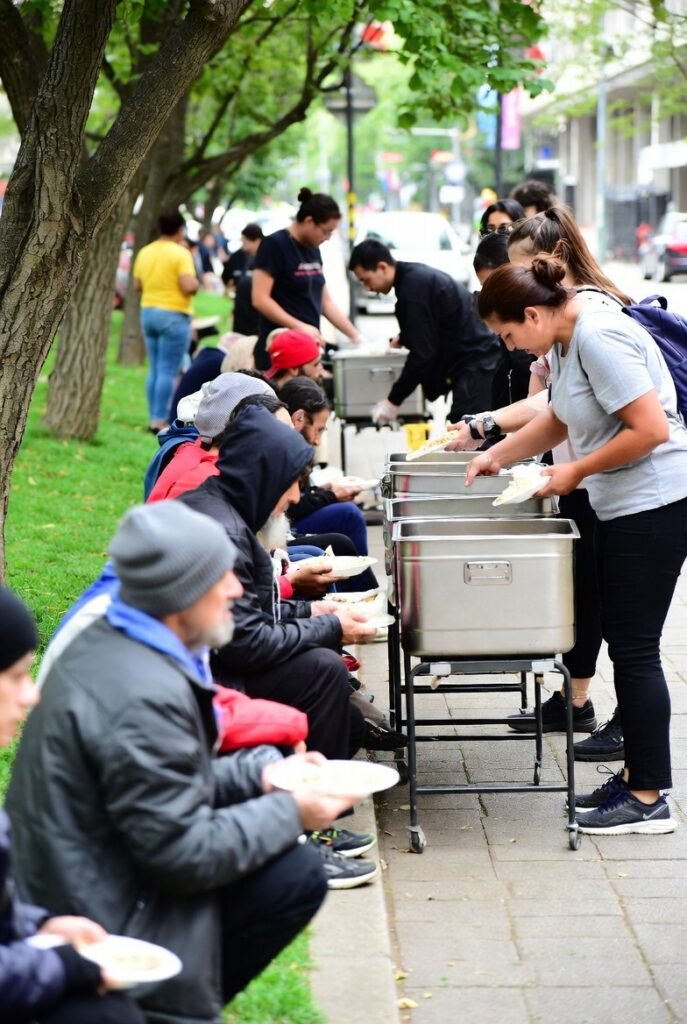
The assault on Woods fits into this fraught landscape. While organizers insist it was anomalous, the park’s reputation for unpredictability—fueled by untreated mental illness, substance abuse, and desperation—makes such incidents tragically plausible. Volunteers like Woods operate in a gray zone: providing essential services where government programs fall short, yet exposed to risks without the protections afforded to official responders. Police presence has increased, but enforcement remains inconsistent amid debates over criminalization versus harm reduction.
From a policy perspective, this episode exposes the limits of voluntary mutual aid in addressing systemic failures. Los Angeles has made strides—moving more than 300 unhoused individuals indoors in 2025 through programs like Inside Safe—but the crisis persists, with fentanyl overdoses and related violence claiming lives daily. Woods’ determination to return speaks to the commitment of many on the front lines, but it also raises questions: Should compassionate individuals bear such personal costs? And when does the city’s responsibility to ensure public safety override concerns about over-policing?
Critics of the current approach argue that “care-first” rhetoric has allowed disorder to fester, displacing families and businesses while enabling addiction. Nearby Langer’s Delicatessen, a historic landmark, once threatened closure over park conditions before recent cleanups offered relief. Yet even with progress—fewer visible drug vendors, rebuilt playgrounds—the underlying drivers of homelessness, mental illness, and substance use disorder demand more than fences or sporadic sweeps.
Woods’ story is a stark reminder that acts of charity, while admirable, occur in a vacuum created by policy shortcomings. Her recovery fund will help, but true solutions require scaling mental health treatment, affordable housing, and addiction services—measures that have eluded Los Angeles for decades. In the meantime, volunteers continue their work, aware that compassion can invite vulnerability in places where chaos reigns.
As California grapples with its outsized share of the national homelessness epidemic, incidents like this one challenge the narrative that grassroots efforts alone can bridge the gap. They demand accountability from leaders who have promised transformation but delivered incremental change at best. Until the root causes are addressed with urgency and resources commensurate to the scale, good Samaritans like Eva Woods will remain on the front lines—and occasionally in harm’s way.