Iran Tensions Escalate Risk of Hormuz Strait Closure
AI-generated context summary requested by a Free News Reader user. Sourced via Gemini from publicly available information — no paywalled content was accessed.
You hit a paywall. Here’s the context on this topic based on publicly available information. We did not access any paywalled content. View original article — BBC News.
Iran Tensions Escalate Risk of Hormuz Strait Closure
- The Strait of Hormuz handles approximately 20 million barrels of oil per day, making it a vital chokepoint for global energy supplies and any disruption could spike prices worldwide.
- Iran's Islamic Revolutionary Guard Corps has conducted attacks on cargo ships in the strait, amid ongoing disputes with the U.S. that date back to the 2018 withdrawal from the nuclear deal.
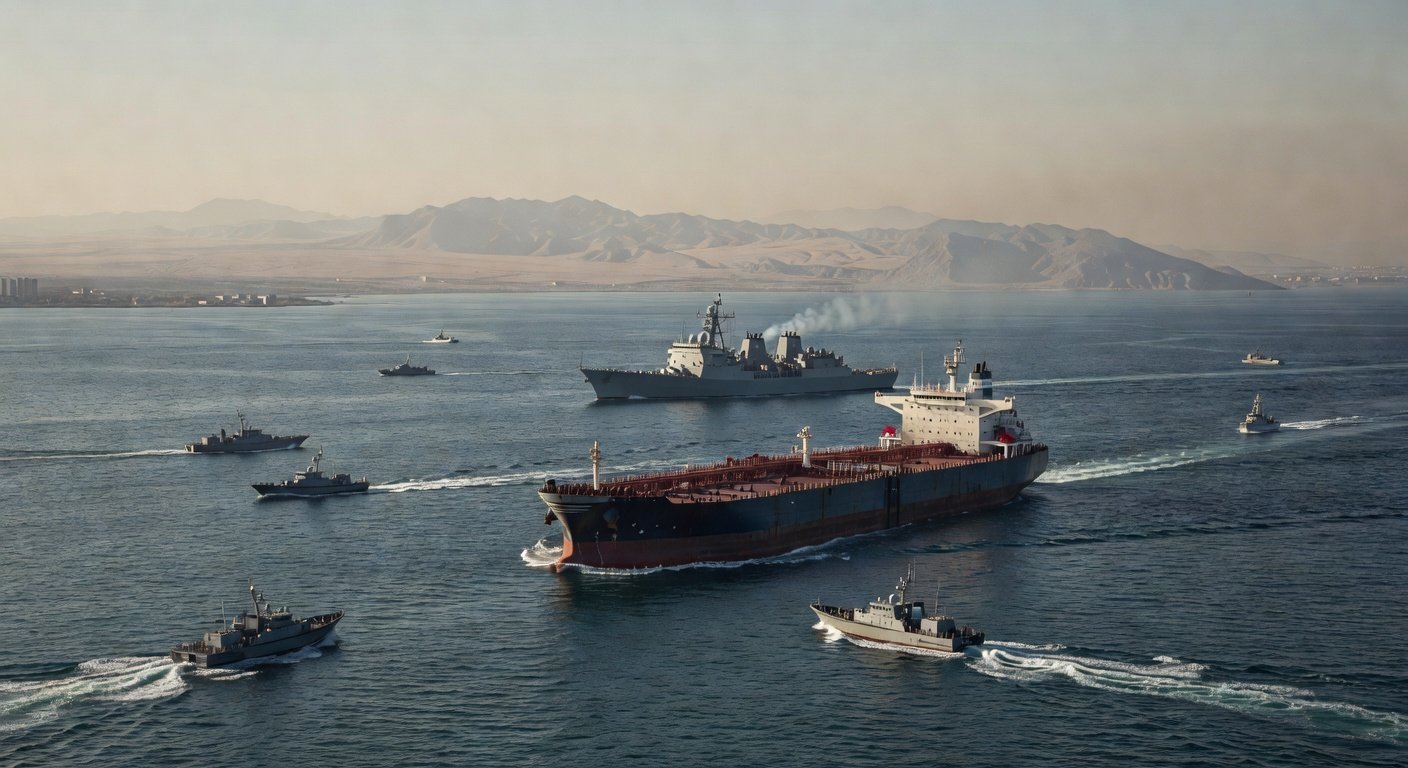
Escalating Hormuz Crisis Raises Specter of Prolonged Closure · Image: Grok AI
Full Summary — powered by AI
Tensions in the Strait of Hormuz have intensified as recent attacks on shipping vessels raise fears of a prolonged shutdown of this critical waterway. The strait serves as the main passage for oil exports from the Persian Gulf, connecting to the Arabian Sea and beyond. Without immediate intervention like naval escorts, trade through the area could be severely hampered, affecting global oil markets and economies dependent on these supplies. This situation underscores the fragility of international trade routes in geopolitically volatile regions.
The Strait of Hormuz has long been a flashpoint due to its strategic importance, with about 20-30% of the world’s seaborne oil trade passing through it daily. Historically, disputes involving Iran and Western powers, particularly the United States, have led to intermittent threats and actions, including naval patrols and sanctions. In recent years, escalating conflicts have included incidents where Iranian forces seized or attacked commercial ships, often in response to broader sanctions on Iran’s economy. This current crisis highlights why securing these waters matters: a sustained closure could lead to higher energy costs, supply shortages, and potential ripple effects on global inflation and economic stability, emphasizing the need for diplomatic efforts to de-escalate.
The broader implications involve not just energy security but also international relations, as major powers navigate alliances and responses to maintain open sea lanes. Experts warn that without resolution, the situation could draw in other nations, further complicating Middle Eastern dynamics.
Read More (Free Sources)
- Iran Attacks Escalate Tensions — AP News — Reuters
- Fears Grow Over Potential Hormuz Strait Shutdown — BBC News
- US Hesitates on Escorts Amid Iran Shipping Incidents — AP News