Cuban Protesters Target Communist Party Office Amid Crippling Blackouts and Economic Strain
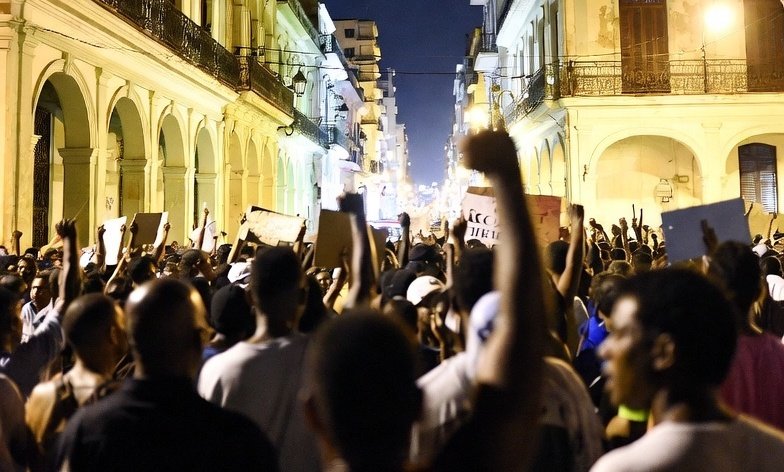
In a striking display of public frustration rarely seen on the island, a group of demonstrators in the central Cuban city of Morón attacked a local Communist Party headquarters early Saturday, setting fires and vandalizing state property in what state media described as an escalation from a peaceful rally against prolonged power outages and food shortages. The incident, reported by the government-aligned newspaper Invasor, marks one of the most direct assaults on a symbol of ruling-party authority in recent years and underscores the deepening economic and energy crisis gripping the nation.
The unrest began late Friday as residents gathered to protest chronic blackouts that have left households without electricity for extended periods, compounding already severe shortages of food, medicine, and fuel. What started peacefully devolved into violence in the pre-dawn hours, with protesters hurling stones at the Municipal Party Committee building, breaking windows, and igniting a blaze using furniture dragged from inside. Social media videos, verified in part by international outlets, captured flames lighting up the night and chants of “liberty” echoing through the streets. Authorities also reported vandalism at a nearby pharmacy and government-run market.
Cuban police detained five individuals following the episode, with one person treated for minor injuries after a fall—state media was quick to debunk circulating claims of gunfire-related casualties, labeling them as “media manipulation” intended to sow fear. President Miguel Díaz-Canel addressed the incident on social media, acknowledging the legitimacy of anger over the blackouts while issuing a firm warning: “There will be no impunity for vandalism and violence.” The government’s Interior Ministry characterized the violence as isolated acts by a small group after initial exchanges with local officials.
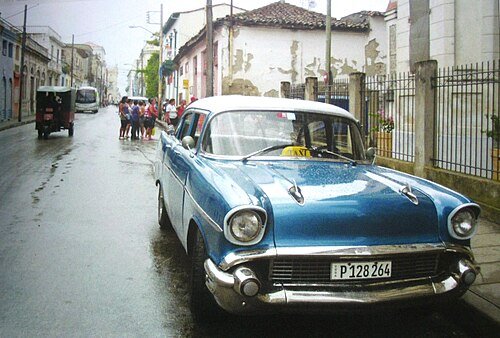
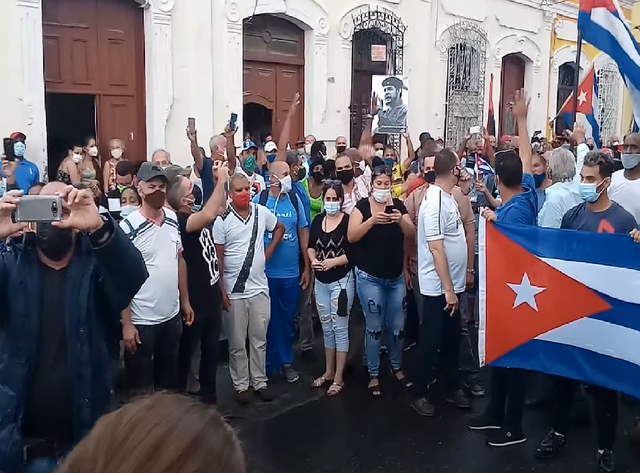
Morón, a coastal city roughly 250 miles east of Havana near the popular tourist enclave of Cayo Coco, has historical echoes of dissent. The town figured prominently in the widespread anti-government demonstrations of July 11, 2021—the largest since the 1959 revolution—when economic hardship and frustration with the one-party system spilled into the streets nationwide. Those protests led to hundreds of arrests and a harsh crackdown that continues to cast a long shadow over public expression.
This latest flare-up arrives against a backdrop of acute energy distress. Cuba’s electrical grid, long plagued by aging infrastructure and chronic underinvestment, has been pushed to the breaking point by fuel shortages. The island relies heavily on imported oil, much of it historically supplied by ally Venezuela. But U.S. policy shifts—intensified after the January 2026 capture of Venezuelan President Nicolás Maduro—have severed those flows and imposed secondary sanctions threatening penalties on nations willing to sell petroleum to Havana. The result: rolling blackouts that sometimes exceed 20 hours a day, crippled public transportation, and the suspension of in-person university classes in parts of the country.
In Havana, smaller acts of protest have emerged in recent days, including “cacerolazos”—residents banging pots and pans from balconies—and a student sit-in at the University of Havana. These remain largely contained, but they reflect a broader erosion of patience. The 2019 constitution nominally guarantees the right to demonstrate, yet the absence of implementing legislation leaves would-be protesters in a precarious legal position, where gatherings can quickly be deemed illegal.
From an economic perspective, the crisis is multifaceted and self-reinforcing. Blackouts disrupt food preservation in a nation already grappling with rationed supplies and inflation. Reduced tourism—once a vital hard-currency earner—suffers as visitors face unreliable power at resorts. Fuel scarcity hampers agriculture and industry, perpetuating shortages that fuel discontent. The government’s narrative pins primary blame on the U.S. “blockade,” a term encompassing decades of sanctions, but critics point to decades of mismanagement, centralized planning inefficiencies, and failure to diversify energy sources as equally culpable factors.
The timing is particularly fraught. Reports indicate Cuba has initiated talks with Washington aimed at de-escalating tensions, a rare diplomatic channel amid heightened U.S. pressure under the current administration. President Donald Trump has publicly suggested the island is “on the verge of collapse” and open to negotiations, though any concessions would likely demand significant political reforms—something the Communist Party has historically resisted.
In my view, Saturday’s events, while limited in scale, represent a warning sign for Havana’s leadership. Violent protests targeting party infrastructure are exceptional in a system built on tight control and fear of reprisal. The willingness of even a small group to cross that line suggests tolerance for hardship may be reaching critical thresholds. Unlike the 2021 protests, which erupted amid the COVID-19 pandemic and currency unification chaos, this unrest stems from a more chronic, grinding deprivation—daily life rendered intolerable by darkness and hunger.
The regime’s response—swift arrests, media denials, and presidential admonitions—follows a familiar playbook. Yet repression alone cannot generate electricity or fill empty shelves. If blackouts persist without relief, isolated incidents could coalesce into broader mobilization, especially in provincial cities far from Havana’s surveillance apparatus. The government’s acknowledgment of talks with the U.S. hints at recognition that external pressure, combined with internal strain, may force pragmatic adjustments.
For observers of authoritarian resilience, Cuba remains a case study in endurance. The party has weathered embargoes, Soviet collapse, and previous waves of dissent. But energy security is foundational to modern governance; prolonged failure here erodes legitimacy in ways ideology alone cannot restore. As blackouts continue and food lines lengthen, the question is not whether frustration will build—it already has—but whether the system can adapt before sporadic outbursts become something more sustained and widespread.
The Morón attack may prove a one-off, contained by swift security measures. Or it could mark the beginning of a new chapter in Cuba’s long struggle between state control and popular demands for relief. Either way, in a nation where public protest carries high risks, the fact that citizens dared to strike at the heart of party power speaks volumes about the depth of their despair.