Macron Declares France Out of Hormuz Operations
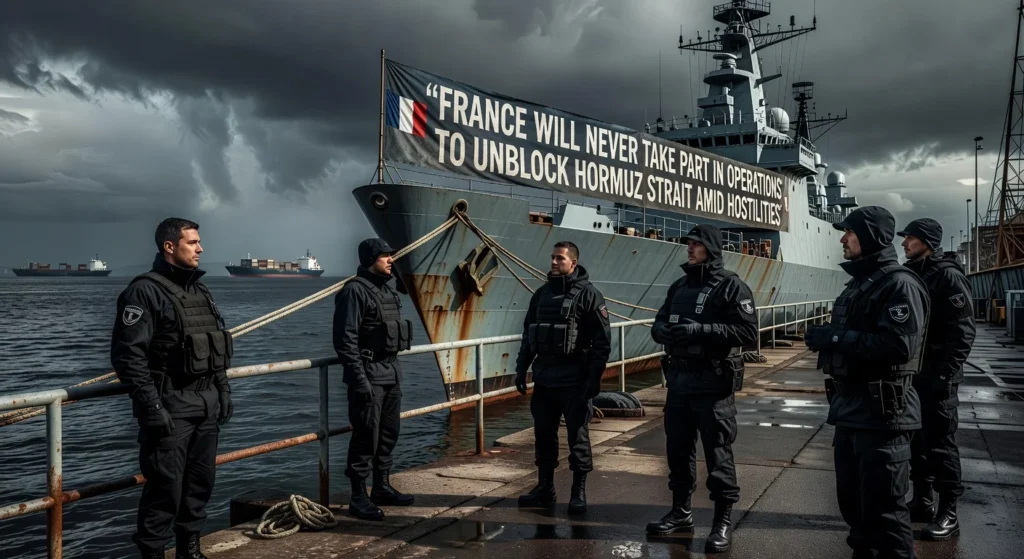
French President Emmanuel Macron has announced that France is withdrawing from operations in the Strait of Hormuz, marking a significant pivot in the nation’s approach to international security commitments. This decision was formally declared during a speech in Paris, where Macron outlined the rationale behind the move, stressing the need for France to prioritize its domestic agenda and strengthen ties within Europe amid evolving global dynamics.
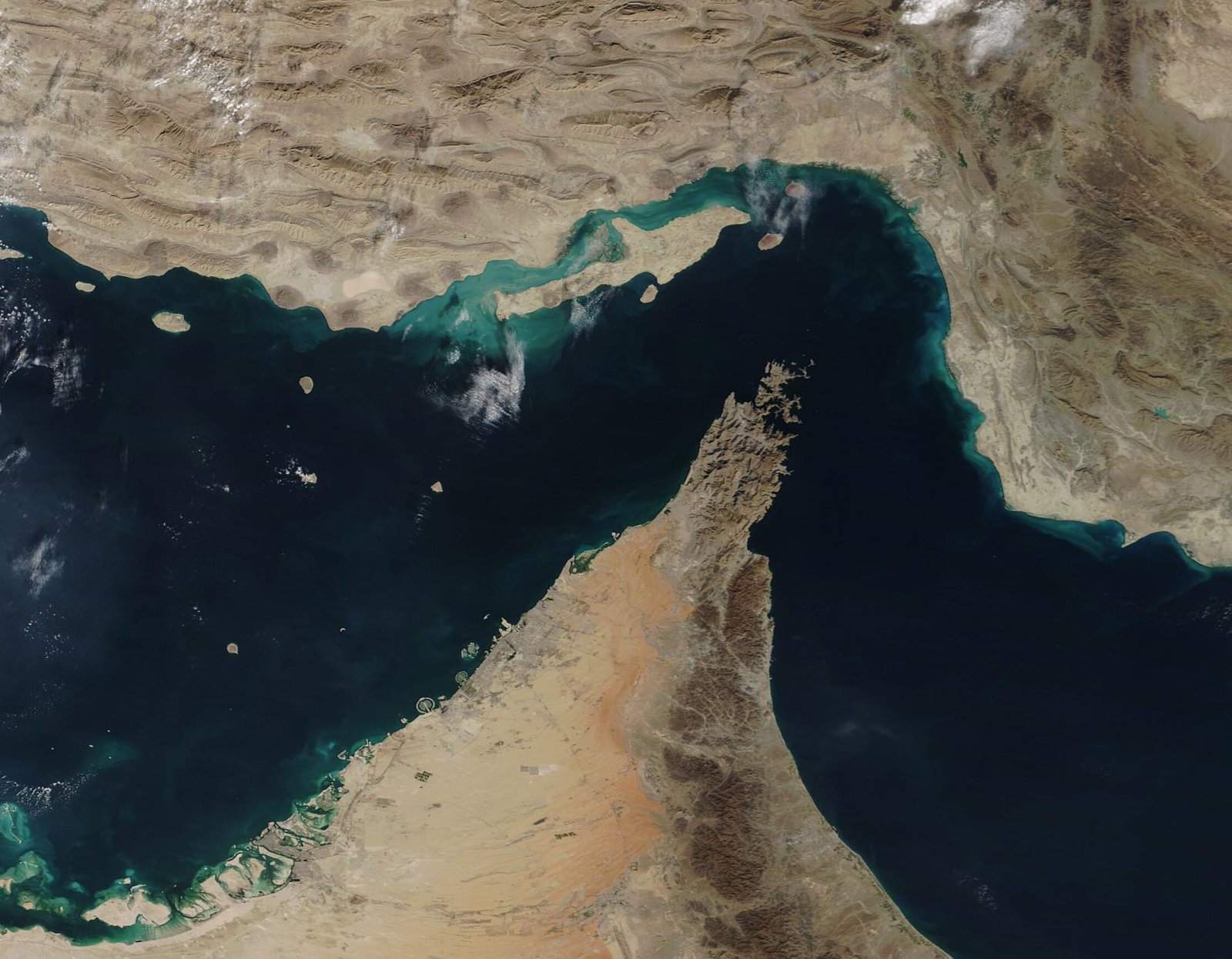
The Strait of Hormuz, a narrow waterway between Iran and Oman, serves as a critical chokepoint for global oil transportation. It facilitates the passage of approximately 20-30% of the world’s traded oil, making it a linchpin for international energy markets. Tensions in this region have been a persistent concern, particularly since the early 2000s, with escalations linked to geopolitical rivalries involving Iran, the United States, and various Gulf states. France’s involvement in operations there dates back to international efforts to safeguard maritime routes, especially following heightened incidents in 2019 when several oil tankers were attacked, attributed to regional conflicts.
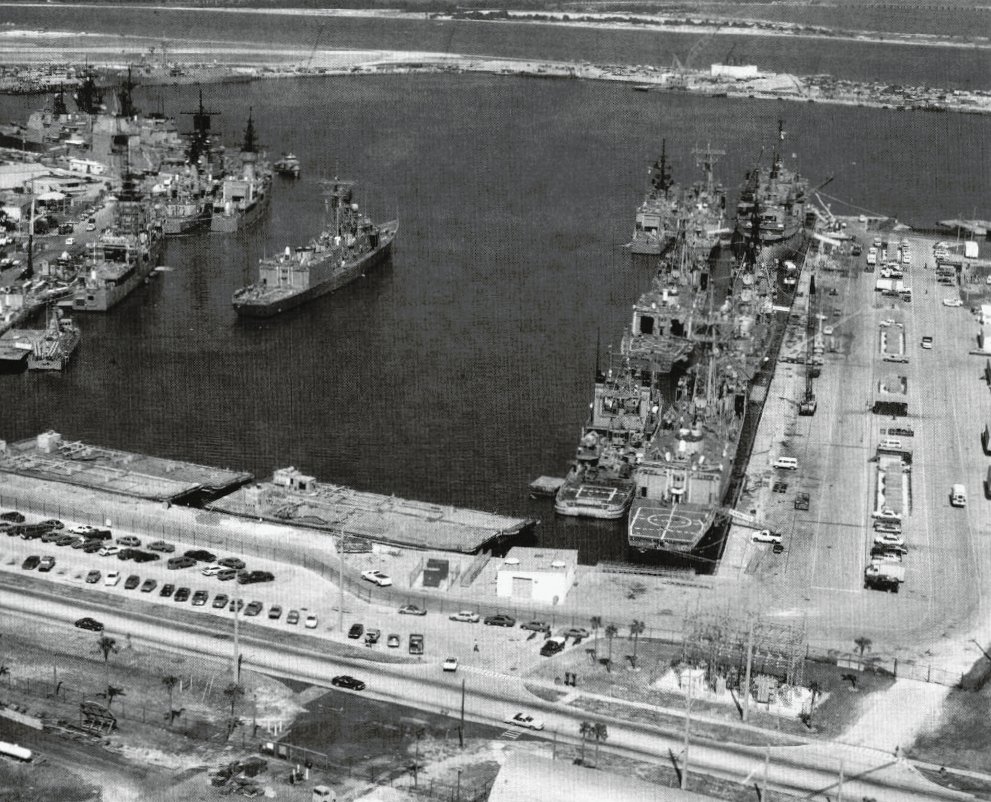
France had been part of a multinational coalition focused on naval patrols to ensure the safety of shipping lanes in the Strait of Hormuz. This coalition, which included contributions from countries like the United States, the United Kingdom, and Australia, was established under frameworks such as the International Maritime Security Construct (IMSC). France’s participation involved deploying naval assets, including frigates and surveillance aircraft, to monitor and respond to potential threats. This role was an extension of France’s broader commitment to maritime security, reflecting its status as a permanent member of the United Nations Security Council and its interests in maintaining stable energy supplies for Europe.
The decision to withdraw represents a shift in France’s foreign policy, influenced by rising tensions in the Middle East that have strained resources and highlighted the complexities of prolonged international engagements. Macron’s announcement comes at a time when France is grappling with internal challenges, such as economic recovery post-pandemic and social reforms, as well as external pressures including the ongoing war in Ukraine and the need to bolster European defense capabilities. By refocusing on domestic and European matters, France aims to enhance its strategic autonomy, reducing dependence on alliances that may not align perfectly with its national interests.
Historically, France has balanced its Middle East policy with a mix of diplomacy and military presence. For instance, during the Iran nuclear deal negotiations in 2015, France played a key role in advocating for stringent conditions, demonstrating its cautious approach to regional stability. The operations in the Strait of Hormuz were part of this broader strategy, but recent developments, including Iran’s advancements in its nuclear program and increased proxy conflicts, have prompted a reevaluation. Macron’s speech emphasized that while France remains committed to global peace, it must allocate its resources more efficiently to address immediate priorities within the European Union.
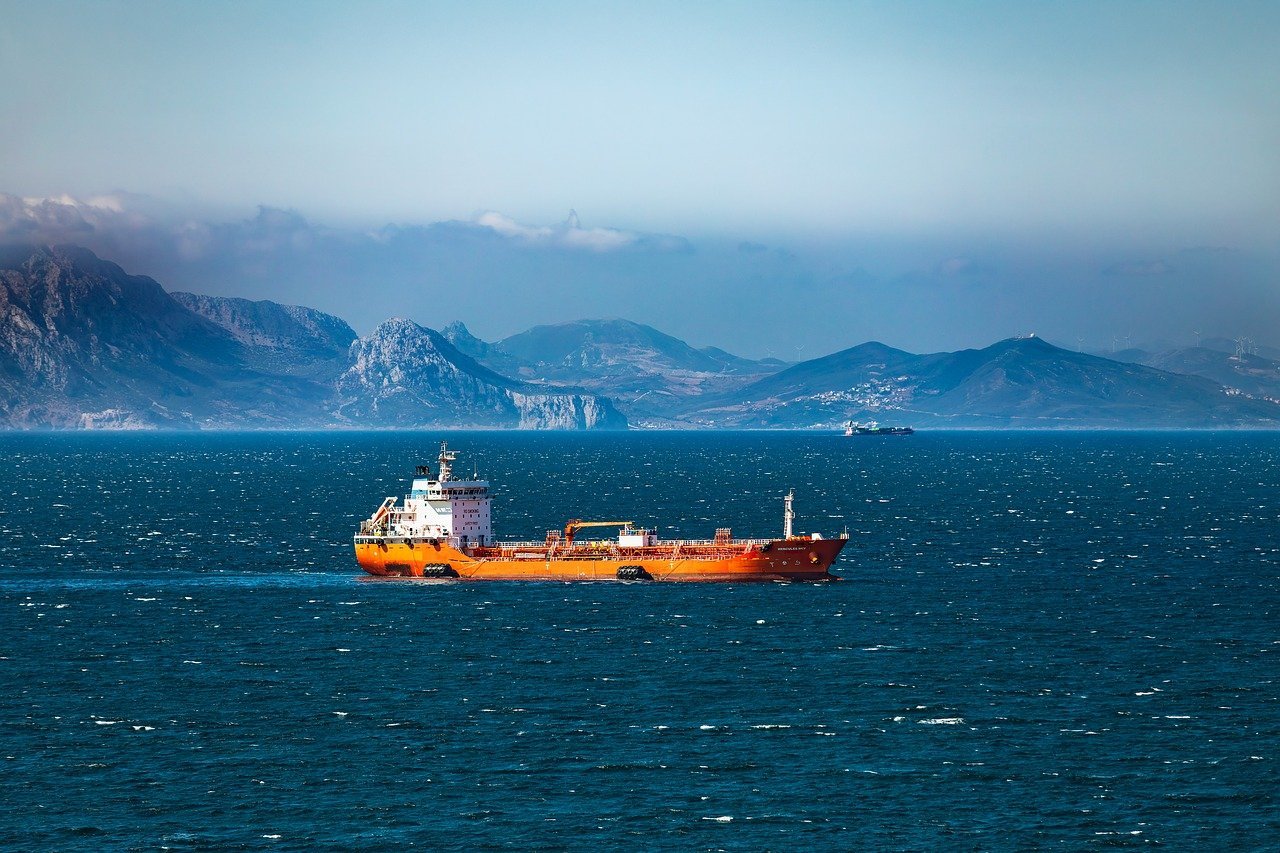
The implications of France’s exit from these operations could be far-reaching for regional security. With fewer participating nations, the coalition may face challenges in maintaining adequate patrols, potentially leading to increased vulnerabilities in the Strait. This could result in higher insurance costs for shipping companies, disruptions in global oil supplies, and heightened risks of escalation between Iran and Western powers. In the short term, other allies might need to compensate by increasing their deployments, which could strain their own military resources and budgets.
Looking at the long-term effects, France’s withdrawal might signal a trend toward greater European independence in foreign affairs. This aligns with initiatives like the European Union’s efforts to develop a common defense policy, including projects such as the Permanent Structured Cooperation (PESCO). By stepping back from Hormuz operations, France could redirect its naval forces to other theaters, such as the Mediterranean or the Indo-Pacific, where it has territorial interests in overseas departments. This shift might encourage other European nations to reassess their involvement in Middle Eastern conflicts, potentially leading to a more unified EU stance on international interventions.
Furthermore, the decision underscores the evolving nature of global alliances in the face of multipolar challenges. As the United States continues to pivot toward Asia-Pacific concerns, traditional partners like France are adapting their strategies to fill potential gaps in European security. This could foster stronger bilateral ties between France and countries like Germany or Italy for joint operations, enhancing collective capabilities without relying heavily on transatlantic partnerships. However, it also raises questions about the effectiveness of coalitions in hotspots like the Middle East, where persistent instability demands sustained international cooperation.
In the context of broader Middle Eastern dynamics, France’s move might influence diplomatic efforts, such as negotiations over Iran’s nuclear activities or responses to Houthi attacks in the Red Sea. By withdrawing, France avoids direct entanglement in escalating confrontations, allowing it to pursue alternative avenues for influence, such as economic diplomacy or cultural exchanges. This pragmatic approach reflects Macron’s vision of France as a bridge between Europe and the global south, balancing security commitments with economic opportunities.
Overall, Macron’s declaration highlights the intricate balance nations must strike between global responsibilities and national priorities. As France exits the Hormuz operations, the international community will closely monitor how this affects maritime security and energy stability, potentially reshaping alliances and strategies in the years ahead. This pivot not only addresses immediate French concerns but also contributes to ongoing discussions about the future of multilateral security frameworks in an increasingly volatile world.
Read more: U.S. Crime Rates Drop to Historic Lows