Surgeon General’s Advisory Sounds the Alarm on Kids’ Excessive Screen Time — And It’s a Wake-Up Call We’ve Needed for Years
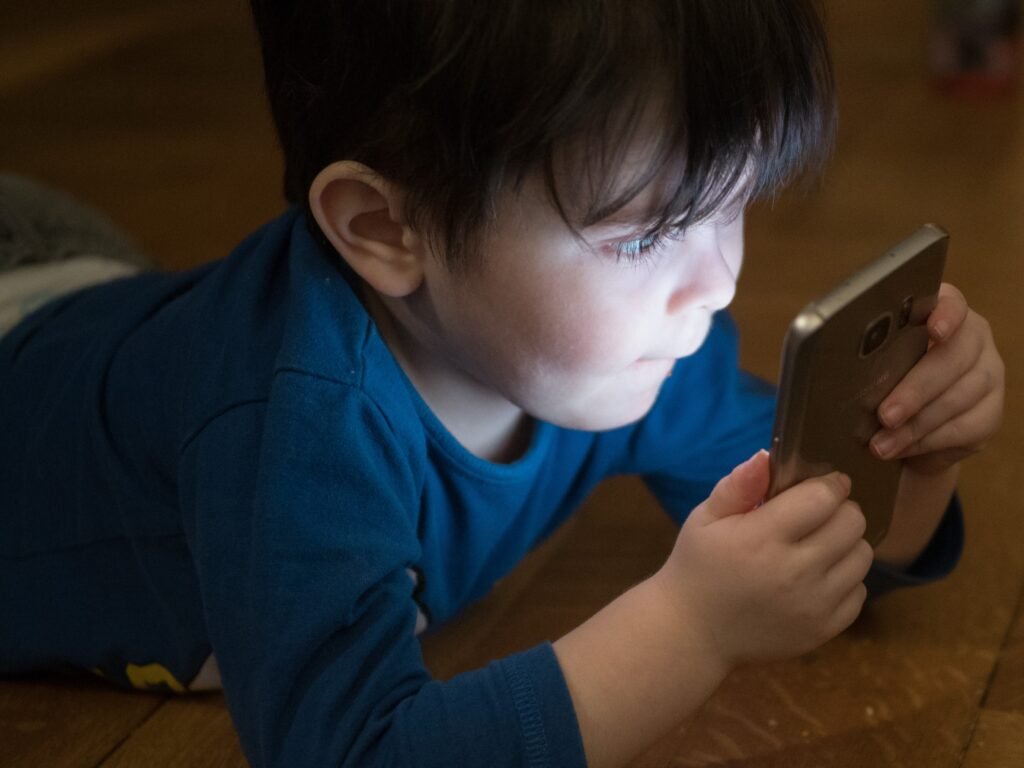
In a world where toddlers are handed tablets before they can walk and teens rack up more screen hours than sleep, the U.S. Department of Health and Human Services has stepped up with a stark new advisory: excessive screen use is now a legitimate public health concern for children and adolescents. Released Wednesday, the report paints a sobering picture of how nonstop scrolling, gaming, texting, and video consumption are reshaping young lives — often for the worse.
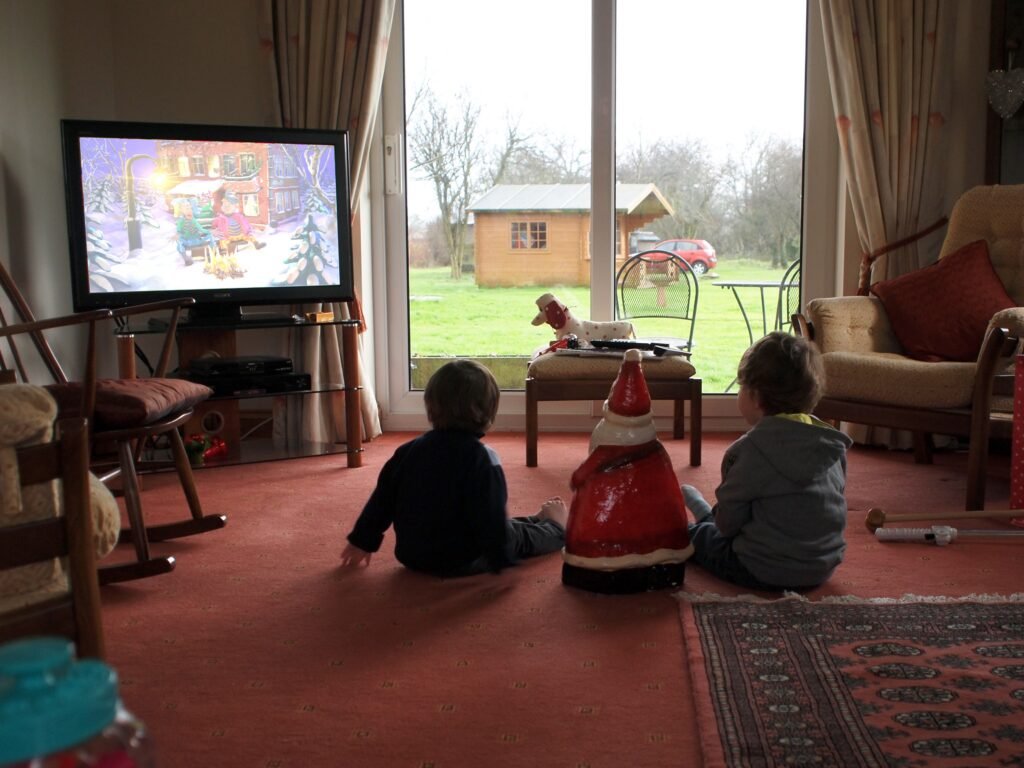
The numbers are eye-opening. Screen exposure often starts before a child’s first birthday and skyrockets with age. By the teen years, many kids are logging four or more hours daily on devices — sometimes more time than they spend sleeping or in school. Nearly half of adolescents say they lose track of time entirely once they pick up their phones. The fallout? Poorer sleep, declining school performance, less physical activity, and weaker real-world relationships.
HHS Secretary Robert F. Kennedy Jr. didn’t mince words in the foreword, calling out the full digital ecosystem — apps, smartphones, tablets, chatbots, and more — as something that’s quietly reshaping childhood. “This Advisory is not only a warning,” he wrote, “but also an invitation for all of us to enjoy a broader world, beyond the confines of screens.” It’s a refreshing pivot from just blaming social media to addressing the bigger always-on culture we’ve built.

The advisory comes with a practical toolkit and a set of “5 Ds” for families: Discuss healthy habits, Do (model good behavior yourself), Delay screens as long as possible, Divert to real-world activities like play and sports, and Disconnect regularly. Specific limits suggested include no screens for kids under 18 months, under an hour a day for under-6s, and up to two hours for ages 6–18 (not counting schoolwork). It also calls on schools to tighten phone policies, tech companies to add warnings and enforce age rules, and doctors to ask about screen time at checkups.
This isn’t the first warning we’ve heard — the American Academy of Pediatrics has similar guidance, and past Surgeon General advisories (like the 2023 one on social media) raised red flags too. But this one lands with extra weight amid growing evidence and real-world burnout. Parents are exhausted from the battles, kids are reporting feeling “addicted,” and the mental health crisis among youth keeps deepening.
That said, experts rightly point out it’s not one-size-fits-all. Not all screen time is toxic — educational content, connection with distant friends, or creative tools can be positive. The real danger seems to lie in compulsive, uncontrolled use that crowds out sleep, movement, and face-to-face life. Some researchers argue we should focus more on identifying kids showing addictive patterns rather than blanket restrictions for everyone.
Still, the core message feels undeniable in 2026: our kids’ brains are developing in an environment engineered to keep them hooked. Devices designed by some of the smartest people on Earth are winning the battle for attention, and it’s costing us in attention spans, emotional regulation, and basic human connection.
This advisory isn’t about shame or panic — it’s about reclaiming balance. Creating family media plans, prioritizing outdoor play, modeling phone-free dinners, and treating screens as tools instead of default babysitters or companions. It’s doable, even if it’s hard in a world that runs on them.
Parents, if you’ve been feeling that quiet guilt after another day of “just one more episode,” you’re not alone. This is the nudge many of us needed. The broader world — bikes, books, boredom that sparks creativity, actual conversations — is still out there waiting.
What’s your family’s screen strategy these days? Have you tried any hard limits or “no phone” zones that actually stuck? Share below — we’re all figuring this out together in real time.