Ukraine Advances with Elon Musk’s Tech Assistance
AI-generated context summary requested by a Free News Reader user. Sourced via Gemini from publicly available information — no paywalled content was accessed.
You hit a paywall. Here’s the context on this topic based on publicly available information. We did not access any paywalled content. View original article.
Ukraine Advances with Elon Musk's Tech Assistance
- Ukrainian forces have achieved their largest territorial gains in over two years, exploiting disruptions in enemy operations.
- Elon Musk's Starlink service was cut off for Russian troops in February, impairing their battlefield communications and drone usage.
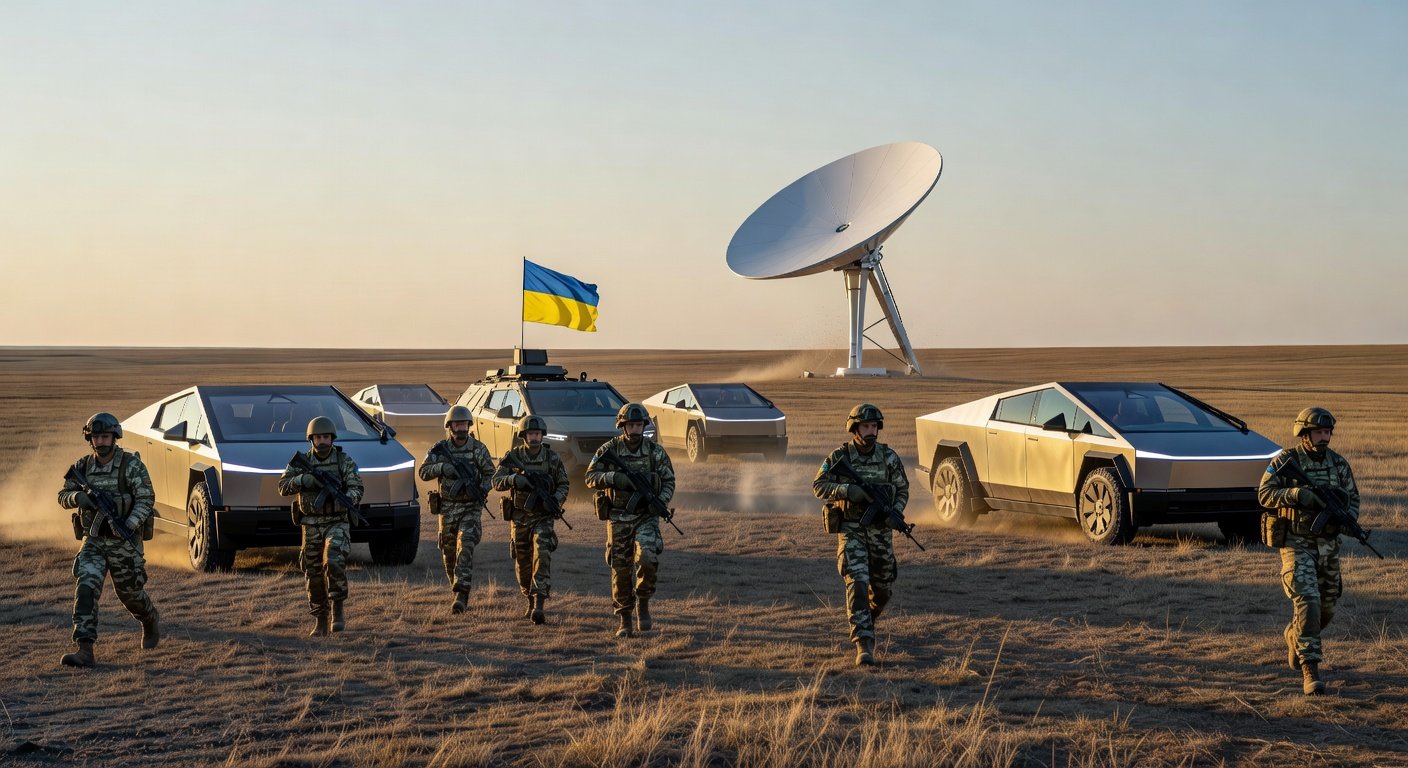
Ukraine Is Suddenly on the Offensive, With Help From Elon Musk · Image: Grok AI
Full Summary — powered by AI
In recent military developments, Ukrainian forces have made significant advances on the battlefield, marking a notable shift after more than two years of conflict. This offensive has been bolstered by disruptions to Russian military capabilities, particularly the loss of access to advanced satellite internet services. Such technological setbacks have allowed Ukrainian troops to maneuver more effectively, reducing the threat from aerial surveillance and communication-dependent tactics. The event underscores the critical role that private technology plays in modern warfare, where real-time data and connectivity can determine operational success.
This situation highlights broader implications for international conflicts, as reliance on commercial tech firms introduces new variables into strategic planning. For instance, decisions made by company leaders can inadvertently or directly influence the dynamics of ongoing wars. Experts point to February’s cutoff as a pivotal moment, emphasizing how control over digital infrastructure, such as satellite networks, can provide a tactical edge. As the conflict in Eastern Europe persists, this incident raises questions about the intersection of business, technology, and geopolitics, potentially reshaping how nations approach cyber and space-based assets in future engagements.
The advances have been reported in regions like Zaporizhzhia, where Ukrainian soldiers capitalized on weakened Russian positions. This development not only boosts morale for Kyiv’s forces but also prompts discussions on the ethical and legal responsibilities of tech providers in global affairs.
Read More (Free Sources)
- Ukraine offensive Elon Musk — AP News — AP News
- Ukraine offensive Elon Musk — NPR — NPR
- Ukraine offensive Elon Musk — BBC — BBC