Trump Retreats from Iran Strike Threat Amid Market Turmoil
AI-generated context summary requested by a Free News Reader user. Sourced via Gemini from publicly available information — no paywalled content was accessed.
You hit a paywall. Here’s the context on this topic based on publicly available information. We did not access any paywalled content. View original article.
Trump Retreats from Iran Strike Threat Amid Market Turmoil
- The decision occurred just before US markets opened on March 23, 2026, amid a surge in energy prices that pushed oil costs higher due to heightened tensions.
- This reversal was influenced by ongoing US-Israeli actions against Iran and growing hopes for diplomatic talks to resolve the conflict over the Strait of Hormuz.
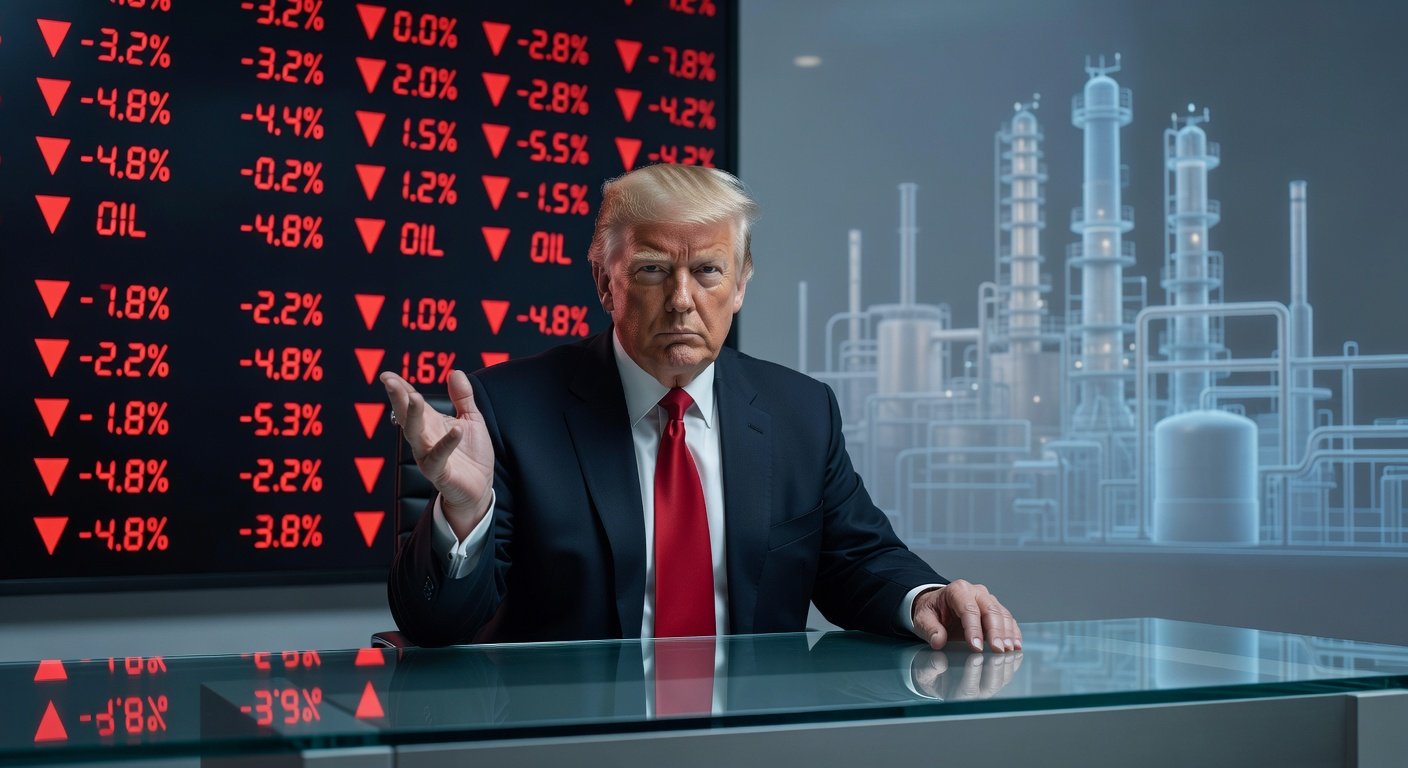
Trump Backs Off Iran Energy Strike Threat as Markets Reel · Image: Grok AI
Full Summary — powered by AI
In a notable shift, President Donald Trump withdrew his threat to target Iran’s energy infrastructure, a move prompted by volatile global markets and rising energy prices. This decision came as international tensions escalated over Iran’s actions in the Strait of Hormuz, a critical waterway for oil shipments. Trump’s initial ultimatum had demanded that Iran reopen the strait within 48 hours, but economic pressures, including a market rout triggered by the US-Israeli conflict, led to a quick reversal. The broader context involves years of strained relations between the US and Iran, exacerbated by sanctions and military posturing, which have repeatedly affected global oil supplies and investor confidence.
The backing down highlights the interconnectedness of geopolitics and economics, as surging energy prices and stock market declines underscored the potential fallout from further escalation. Analysts point to this as a moment where market forces influenced policy, potentially opening the door for renewed diplomatic efforts to de-escalate the situation. If successful, such talks could stabilize oil prices and reduce the risk of broader conflict in the Middle East, benefiting global economies. However, skepticism remains about whether this retreat will lead to lasting peace or merely a temporary pause in hostilities, given the complex history of US-Iran relations.
Ultimately, this event underscores the challenges of balancing aggressive foreign policy with economic stability, reminding stakeholders of the high stakes involved in international disputes.
Read More (Free Sources)
- Trump extends his deadline for Iran to reopen the Strait of Hormuz — AP News
- Oil falls and shares rebound after Trump says talks have been 'productive' — BBC
- Stock markets swing and oil prices fall after Trump postpones strikes — The Guardian