UN Warns of Unprecedented Climate Imbalance Globally
AI-generated context summary requested by a Free News Reader user. Sourced via Gemini from publicly available information — no paywalled content was accessed.
You hit a paywall. Here’s the context on this topic based on publicly available information. We did not access any paywalled content. View original article.
UN Warns of Unprecedented Climate Imbalance Globally
- The past 11 years have been the hottest on record, based on global temperature data from meteorological organizations.
- The World Meteorological Organization emphasizes a rising number of climate-driven disasters, such as floods and heatwaves, affecting millions worldwide.
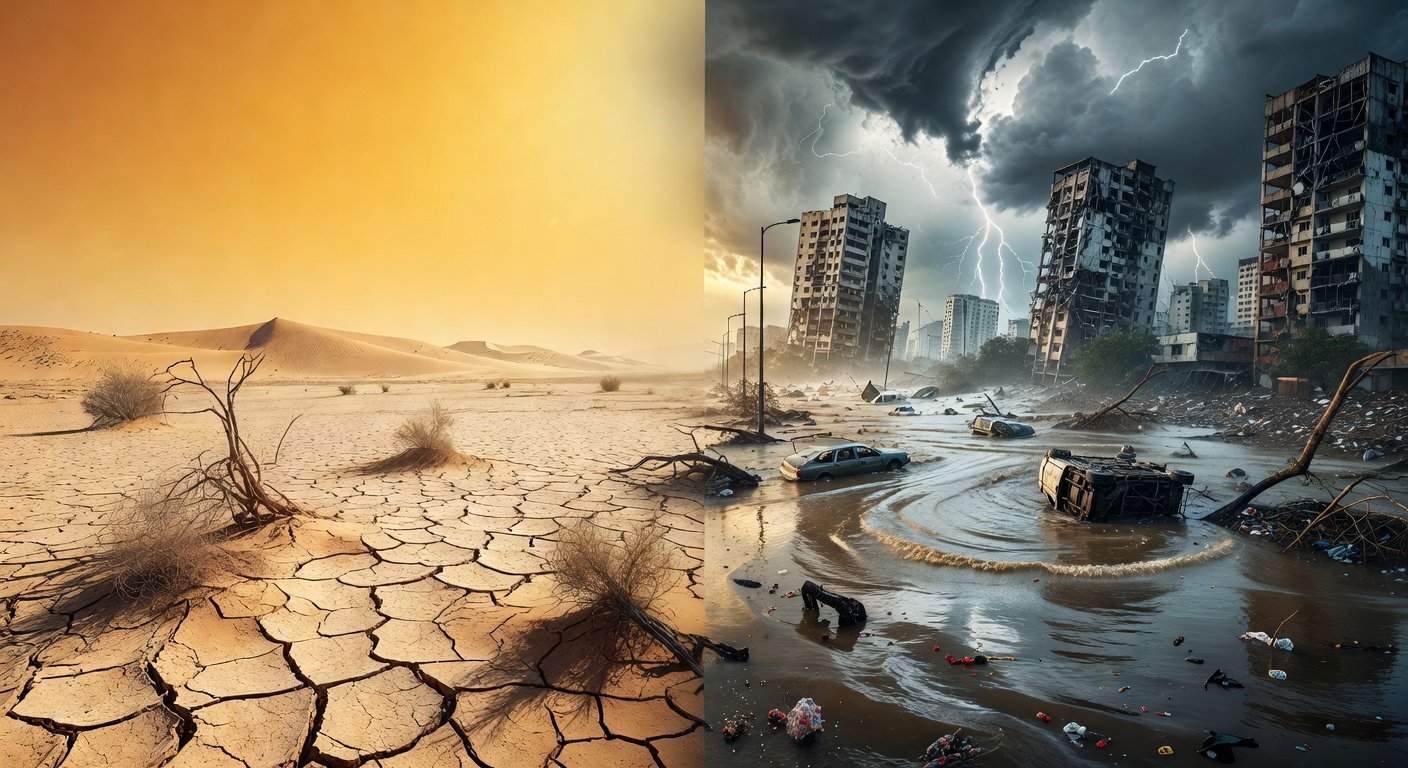
There is no historical precedent for how badly out of balance the climate is now, U.N. warns · Image: Grok AI
Full Summary — powered by AI
Global climate experts have issued a stark warning about the Earth’s climate being more out of balance than at any point in recorded history, highlighting the urgent need for international action. This assessment draws from extensive data showing that human activities, particularly the burning of fossil fuels and deforestation, have accelerated global warming at an alarming rate. With temperatures rising steadily, the past decade has seen unprecedented heat, leading to more frequent and severe weather events that disrupt lives and economies across continents.
Key factors contributing to this imbalance include the rapid increase in greenhouse gas concentrations, with carbon dioxide levels reaching over 420 parts per million in recent years, far exceeding pre-industrial levels. This situation underscores the findings from organizations tracking environmental changes, which point to a clear link between rising temperatures and intensified natural disasters like hurricanes, droughts, and wildfires. The implications are profound, affecting food security, biodiversity, and vulnerable populations in regions such as low-lying islands and arid zones. As the world grapples with these challenges, the call for reduced emissions and sustainable practices grows louder, emphasizing that immediate global cooperation is essential to mitigate long-term damage and protect future generations.
Understanding this imbalance is crucial because it signals a tipping point in the planet’s climate system, potentially leading to irreversible changes if not addressed. Efforts to transition to renewable energy sources and adapt to current conditions are underway in many countries, but the scale of the problem requires unified action to limit warming to safer levels, as outlined in international agreements.
Read More (Free Sources)
- UN weather agency confirms hottest decade on record — Reuters
- Earth being ‘pushed beyond its limits’ as energy imbalance reaches record high — The Guardian
- Analysis: The UN climate report is boring … except when it’s not — CNN