Chinese Tanker Uses Iranian Route Through Strait of Hormuz
AI-generated context summary requested by a Free News Reader user. Sourced via Gemini from publicly available information — no paywalled content was accessed.
You hit a paywall. Here’s the context on this topic based on publicly available information. We did not access any paywalled content. View original article.
Chinese Tanker Uses Iranian Route Through Strait of Hormuz
- The Bright Gold, a Chinese-owned fuel tanker, transited the Strait on March 24 via a channel between the Iranian islands of Qeshm and Larak, highlighting alternative shipping paths in the region.
- Two India-flagged gas carriers also took this route earlier this week, following prior discussions between India and Iran to ensure safe passage amid ongoing maritime tensions.
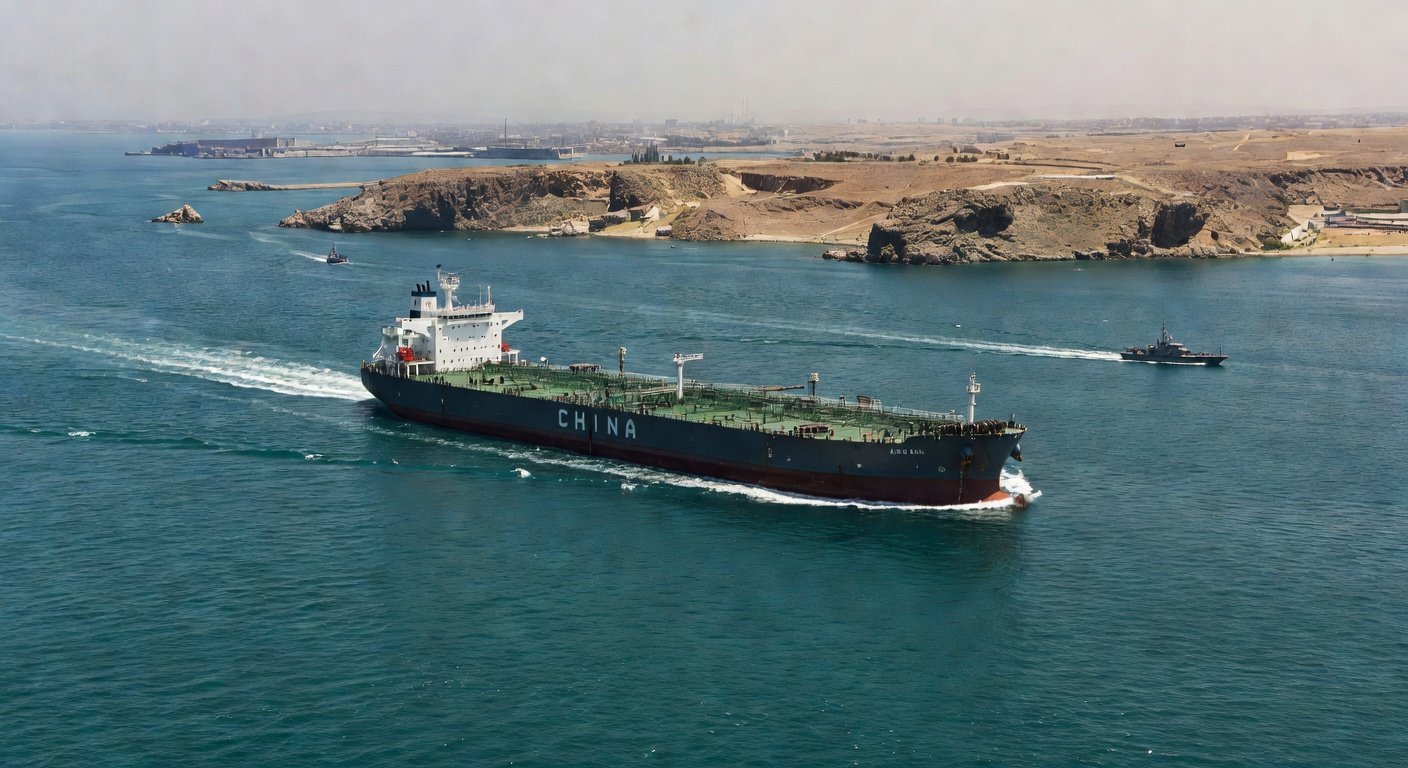
Chinese-Owned Tanker Transits Hormuz Along Iranian Coastal Route · Image: Grok AI
Full Summary — powered by AI
A Chinese-owned fuel tanker recently navigated the Strait of Hormuz using an Iranian coastal route, marking a notable instance of alternative shipping practices in a key global chokepoint. The vessel, identified as the Bright Gold, followed a path that has been approved by Iranian authorities, allowing it to move from the Persian Gulf without entering more contested waters. This development underscores the Strait’s critical role in international oil and gas transport, where it handles about 20-30% of the world’s traded petroleum, making any route changes significant for global energy security.
This event occurs against a backdrop of heightened geopolitical tensions in the Middle East, including disputes involving Iran and its neighbors, which can disrupt normal shipping lanes and force vessels to seek safer alternatives. By utilizing the Iranian route, the tanker and similar ships demonstrate how countries are adapting to potential risks, such as conflicts or blockades, through diplomatic arrangements. For China and India, major energy importers, such maneuvers help maintain supply chains, but they also raise questions about regional stability and the influence of Iran in controlling access. Overall, this highlights the broader implications for international trade, emphasizing the need for ongoing dialogue to prevent disruptions that could affect global oil prices and economic stability.
In essence, the use of this route reflects evolving strategies in maritime navigation, potentially setting precedents for future transits and underscoring the interconnectedness of energy flows and international relations in the Persian Gulf area.
Read More (Free Sources)
- Chinese Tanker Uses Iranian Route Through Strait of Hormuz — AP News — AP News
- Chinese Tanker Uses Iranian Route Through Strait of Hormuz — BBC — BBC
- Chinese Tanker Uses Iranian Route Through Strait of Hormuz — The Guardian — The Guardian