Mamdani’s Property Tax Gambit: New York Mayor’s Threat Backfires, Exposing Limits of Progressive Fiscal Strategy
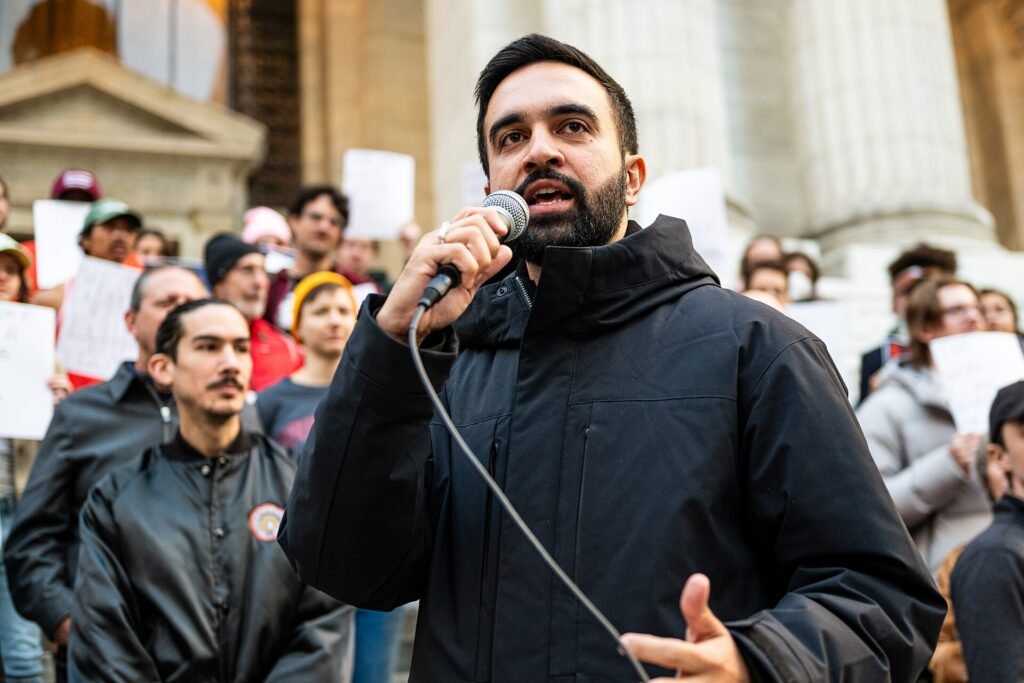
New York City Mayor Zohran Mamdani’s brief but explosive flirtation with a 9.5% property tax increase has rapidly unraveled, leaving the democratic socialist leader politically bruised and quietly retreating from one of the most unpopular ideas in recent city history. What began in February as a high-stakes lever to pressure Gov. Kathy Hochul and state lawmakers into raising taxes on millionaires and corporations has instead unified a broad coalition of critics—homeowners, small-business owners, centrist Democrats, and even some of the mayor’s left-leaning allies—against the proposal.
The mayor floated the tax hike in his preliminary $127 billion budget presentation as a “path of last resort” to help close a projected $5.4 billion budget gap over two years. Without additional state aid or new revenue from higher income and corporate taxes, Mamdani warned, the city would have little choice but to tap reserves and raise property taxes—the first such increase in more than two decades. The move was widely interpreted as tactical brinkmanship: force Albany’s hand or shift the political pain onto city homeowners.
Instead, the backlash was swift and bipartisan in its intensity. City Council Speaker Julie Menin and Comptroller Mark Levine, both Democrats, publicly rejected the idea, with Levine calling property taxes a “regressive” burden that disproportionately affects homeowners in communities of color and middle-class neighborhoods. Black and Latino elected officials voiced particular concern that the hike would hit working- and middle-class families hardest in outer boroughs where homeownership represents a fragile foothold in the city’s expensive real estate market. Small-business owners warned of knock-on effects through higher commercial rents and reduced consumer spending.
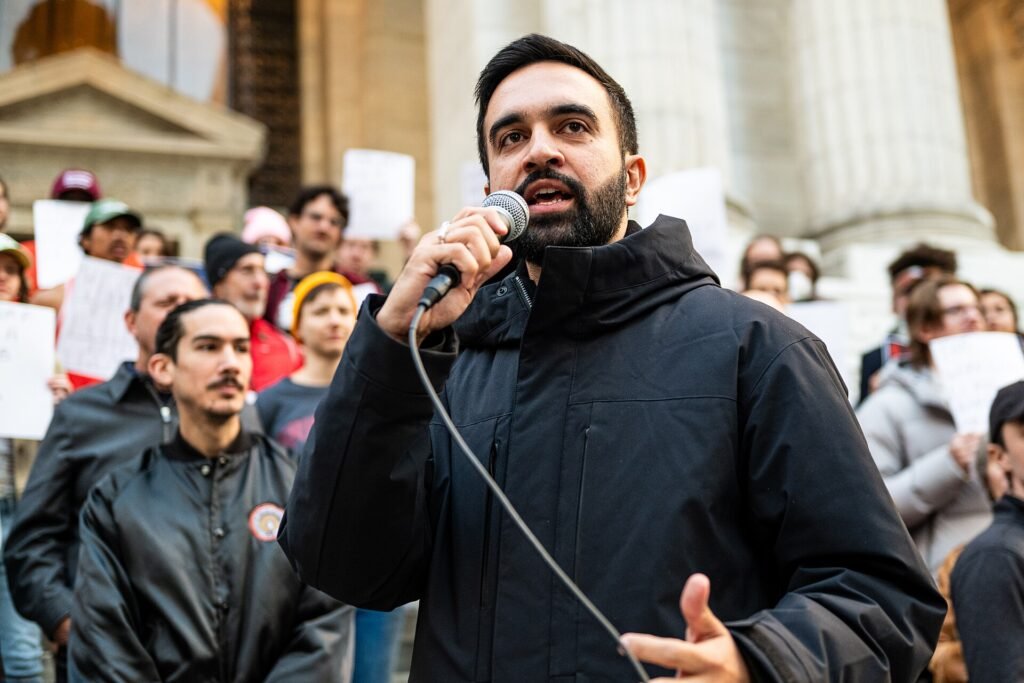

Even progressive allies expressed discomfort. The proposal drew fire from tenant advocates and housing activists who fear that property tax increases ultimately translate into higher rents or reduced maintenance in rental buildings. Public meetings turned contentious, with residents decrying the plan as a betrayal of Mamdani’s campaign promises to make New York more affordable. Social media and local talk radio amplified the outrage, with callers and commenters labeling the mayor out of touch with the daily struggles of ordinary New Yorkers already squeezed by high housing costs, inflation, and post-pandemic recovery challenges.
By late March, the mayor had begun a quiet retreat. In private meetings with city and state lawmakers, Mamdani signaled he was “highly unlikely” to pursue the property tax increase, according to multiple sources familiar with the discussions. The pivot came after it became clear that the gambit had backfired: Gov. Hochul showed no inclination to deliver the income-tax hikes Mamdani sought, and the political cost at home proved too steep. The episode has left City Hall scrambling for alternative revenue sources or deeper spending cuts as budget negotiations intensify.
Mamdani, a former state assemblymember from Queens who rose through the Democratic Socialists of America, campaigned on bold progressive priorities including expanded social services, housing reforms, and taxing the wealthy. His elevation to mayor reflected voter frustration with inequality and the high cost of living. Yet governing a city with structural budget pressures—driven by pension obligations, Medicaid costs, migrant services, and declining tax revenues in some sectors—has forced uncomfortable trade-offs. New York’s property tax system, while progressive in some respects due to assessment practices, remains a blunt instrument that burdens fixed-income seniors, middle-class families, and small landlords alike.
From a policy standpoint, the mayor’s initial threat revealed a common progressive blind spot: the assumption that taxes on “the rich” or corporations can be raised indefinitely without economic consequences or political resistance. When that path is blocked, the fallback often lands on broader-based taxes like property levies that affect a wider swath of voters. Economists have long noted that property taxes, while stable revenue sources, can discourage investment in housing, depress home values in marginal neighborhoods, and exacerbate affordability challenges—the very issues Mamdani has pledged to address.
In my assessment, this episode underscores the limits of leverage politics in fiscally constrained blue cities. Mamdani overestimated his ability to strong-arm Albany while underestimating the visceral public aversion to higher property taxes. Homeownership remains a core aspiration and store of wealth for millions of New Yorkers; threatening it directly invites fierce opposition that crosses traditional ideological lines. The swift backlash from Black homeowners and small businesses, in particular, highlights how class and race dynamics complicate simplistic “tax the rich” narratives.
The retreat, while pragmatic, also carries risks. It may signal weakness to progressive activists who expect unrelenting pressure on wealthy interests, while doing little to rebuild trust with moderates and homeowners wary of the mayor’s broader agenda. Meanwhile, the underlying budget gap persists. Without new state revenue or significant spending restraint, the city faces difficult choices: service cuts, reserve drawdowns that deplete rainy-day funds, or eventual resort to other revenue tools such as congestion pricing adjustments, fee increases, or sales tax tweaks—all of which carry their own political and economic costs.
For New Yorkers, the episode is a reminder that fiscal reality often clashes with ideological ambition. The city’s high tax burden already ranks among the nation’s heaviest; further increases risk accelerating out-migration of businesses and middle-class residents to lower-tax jurisdictions. At the same time, demands for expanded services—from housing to public safety to migrant support—continue to grow. Reconciling these pressures requires honest prioritization and productivity reforms rather than repeated recourse to higher taxes.
Mamdani’s quiet walk-back from the property tax threat may spare homeowners in the short term, but it does not resolve the deeper structural challenges facing New York City governance. As budget talks continue, the mayor’s ability to deliver on his progressive vision without alienating core constituencies will be tested. The failed gambit offers a cautionary lesson: in a city where homeowners, renters, businesses, and taxpayers all feel squeezed, threats to raise one of the most visible and resented taxes are more likely to unite opponents than to bend adversaries in Albany.
Whether Mamdani can pivot to more sustainable budget strategies—or whether further fiscal brinkmanship lies ahead—will shape not only his mayoralty but the economic trajectory of America’s largest city in a time of tight margins and high expectations.