Iran Reimposes Control Over Strait of Hormuz as U.S. Blockade Persists, Testing Trump’s Leverage in High-Stakes Negotiations
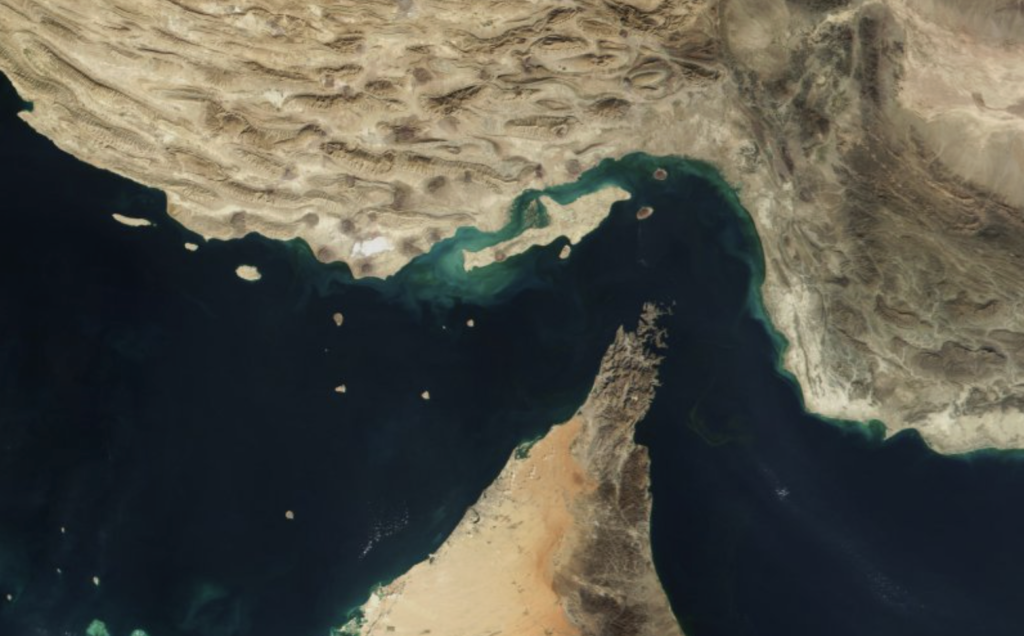
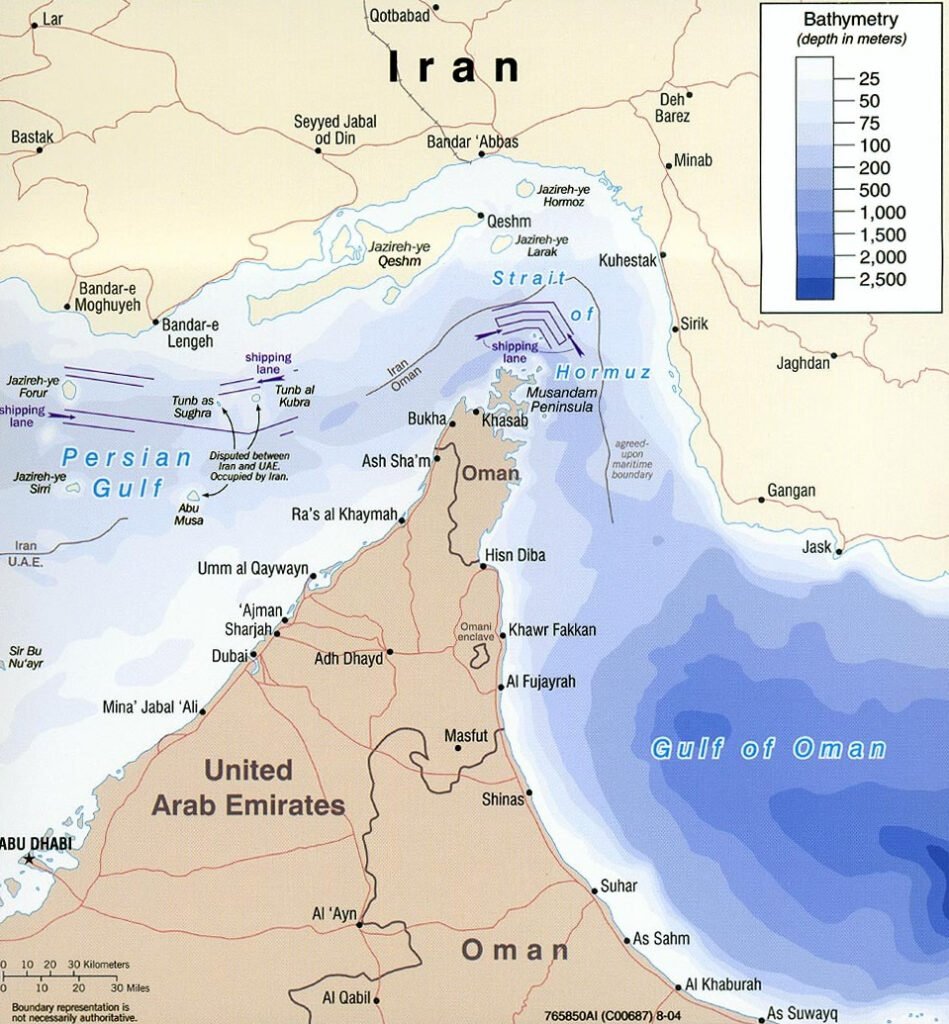
In a sharp reversal that underscores the fragility of the fragile ceasefire in the U.S.-Iran conflict, Tehran announced Saturday that it has reimposed full military control over the Strait of Hormuz, effectively closing the critical waterway to most commercial traffic until the United States lifts its naval blockade on Iranian ports. The move, declared by Iran’s Islamic Revolutionary Guard Corps and joint military command, comes just days after Iranian officials had signaled a tentative reopening and follows President Donald Trump’s insistence that the American blockade would remain in “full force” absent a broader agreement.
The development marks the latest escalation in a standoff that has already disrupted roughly one-fifth of global seaborne oil and liquefied natural gas flows. U.S. Central Command reported that 23 vessels have been turned away since the blockade began on April 14, with American naval assets—including the USS Rushmore, USS Pinckney, USS New Orleans, and Apache helicopters—maintaining a visible presence to enforce freedom of navigation for non-Iranian shipping while choking off Tehran’s maritime trade. At least two vessels, including an Indian-flagged tanker carrying crude, reportedly came under fire while attempting passage, prompting India to summon Iran’s ambassador and express concern over merchant shipping safety.

President Trump responded with characteristic bluntness, telling reporters that Iran “got a little cute” in its attempt to reclose the strait and reiterating that Tehran “can’t blackmail us.” He described ongoing negotiations as “working out very well” and suggested more details would emerge by day’s end, while praising Pakistan’s army chief as a useful back channel. Trump also warned that failure to reach a deal could lead to resumed military action, noting the ceasefire’s expiration looms and hinting that “we’ll have to start dropping bombs again.” He framed the U.S. position as a necessary response to decades of Iranian aggression, invoking the 2020 strike on Qasem Soleimani.
Iranian officials pushed back firmly. Deputy Foreign Minister Saeed Khatibzadeh rejected U.S. demands for the transfer of enriched uranium as a “non-starter” and “maximalist,” insisting that enrichment remains “sacred.” Tehran blamed the U.S. blockade—described as “piracy”—for the reversal on the strait and warned that vessels approaching the waterway would be treated as cooperating with the “enemy.” The IRGC asserted full armed-forces control, with transit blocked until American restrictions end.
The economic toll is mounting rapidly. Iran is losing an estimated $435 million per day from the disrupted trade, compounding damage from earlier strikes and long-standing sanctions. Global energy markets have felt the ripple effects: jet fuel prices have surged, forcing airlines to raise fees and cut routes, while consumers face higher gasoline and diesel costs. Experts note that while U.S. consumers may experience a lag due to pre-booked supplies, the disruption threatens broader inflationary pressures and supply-chain strains, particularly for Asian importers heavily reliant on Gulf energy.
On the diplomatic front, progress remains elusive. Face-to-face talks have stalled over core disagreements on uranium, sanctions relief, and verification. Trump has projected optimism while maintaining red lines, with U.S. Ambassador to the UN Mike Waltz defending the approach as “playing chess” against a regime that chants “death to America.” Meanwhile, ceasefires with Israel and Lebanon appear to be holding, allowing Israel to fully reopen schools nationwide. A separate incident in southern Lebanon—an attack on UN peacekeepers that killed one French soldier and wounded three—drew condemnation from Secretary-General António Guterres and French President Emmanuel Macron, who blamed Hezbollah (which denied involvement).
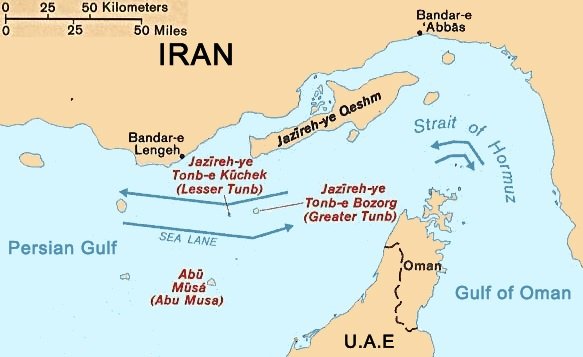
From a strategic perspective, the Hormuz brinkmanship highlights the asymmetric nature of the conflict. Iran lacks a conventional navy or air force capable of matching U.S. power projection, yet its geographic chokehold on the strait provides potent leverage—selective enforcement that allows its own exports (primarily to China) while strangling rivals. The U.S. blockade flips this dynamic by targeting Iranian ports directly, aiming to impose economic pain without a full-scale invasion. CENTCOM’s public release of patrol imagery underscores a deliberate messaging campaign: America is enforcing navigation rights while squeezing Tehran’s revenue.
In my view, this latest flare-up tests the limits of Trump’s “maximum pressure” doctrine in a post-ceasefire environment. The president’s combination of tough talk, targeted enforcement, and back-channel diplomacy has forced Iran back to the table, but sustained closure of the strait risks broader global economic fallout that could erode domestic support and strain alliances. Tehran’s reversal suggests internal hard-liners retain significant influence, complicating any deal. Yet the regime’s economy—already on life support from sanctions, war damage, and mismanagement—cannot indefinitely absorb daily losses of hundreds of millions. Diplomacy backed by credible force remains the most viable path, provided both sides avoid miscalculation that could reignite open hostilities.
The episode also exposes vulnerabilities in global energy security. Decades of warnings about over-reliance on the Strait of Hormuz have gone largely unheeded; diversification through LNG terminals, alternative routes, and accelerated domestic production (including U.S. shale) offers partial mitigation but cannot instantly offset a prolonged disruption. For policymakers, the crisis reinforces the need for resilient supply chains and alliances capable of deterring chokepoint weaponization.
As negotiations continue amid the blockade’s enforcement, the coming days will prove decisive. Trump has signaled willingness to extend or adjust pressure depending on Iranian flexibility. Iran, facing mounting isolation and economic hemorrhage, must weigh the costs of defiance against the concessions required for relief. In a region long defined by proxy conflicts and nuclear ambitions, the Hormuz standoff illustrates how control of a narrow waterway can hold the world economy hostage—and why resolving the underlying confrontation demands clarity, resolve, and realism from all parties.
For now, the strait remains a flashpoint where military posturing, economic warfare, and diplomatic maneuvering intersect. The Trump administration’s gamble appears aimed at breaking Iran’s resistance without broader war; whether it succeeds will shape not only Middle East stability but energy markets and inflation trajectories worldwide.