Tariff Refund Portal Launch Stumbles on Day One, Delaying Billions in Refunds Owed to Importers
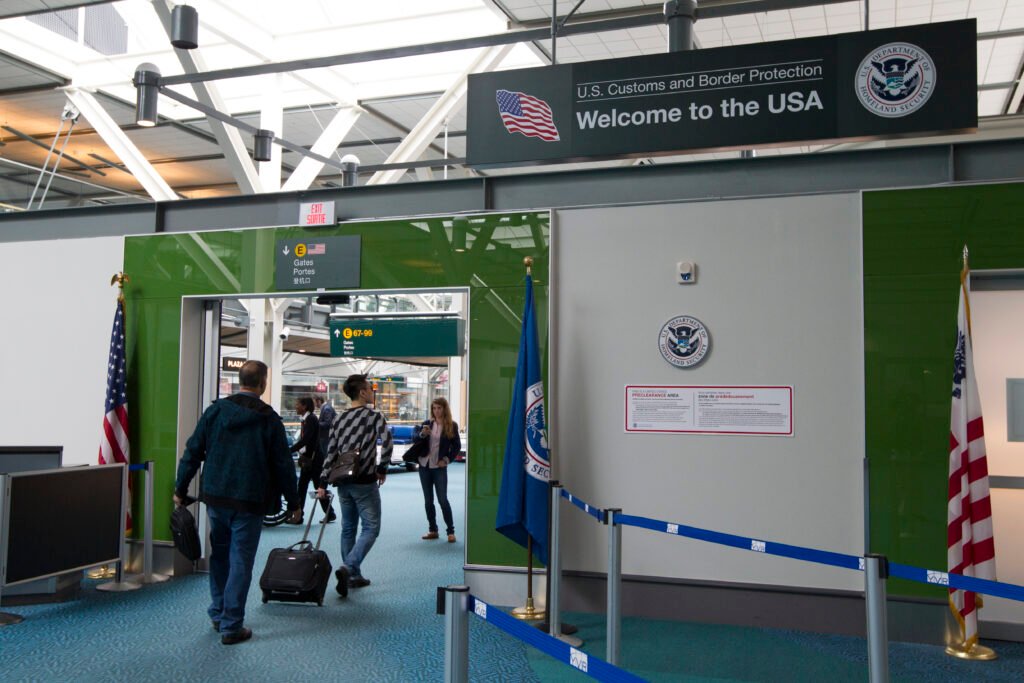
U.S. Customs and Border Protection launched its long-awaited Consolidated Administration and Processing of Entries (CAPE) portal on Monday, April 20, 2026, aiming to streamline the return of up to $175 billion in tariffs struck down by the Supreme Court in February. Yet the system’s debut proved rocky, with importers and customs brokers reporting immediate technical glitches, error messages, and long hold times that have delayed access to funds many businesses urgently need amid ongoing supply-chain pressures and higher replacement tariffs.
The CAPE platform, integrated into CBP’s Automated Commercial Environment (ACE) secure data portal, is designed to consolidate refund requests for duties imposed under the International Emergency Economic Powers Act (IEEPA) rather than processing them entry-by-entry. In its initial phase, the system accepts claims for unliquidated entries (those assessed but not yet finalized) and entries liquidated within the past 80 days. Valid claims are supposed to generate refunds, including interest, within 60 to 90 days of approval, though officials acknowledge delays could stretch longer for submissions with inaccuracies.
The stakes are enormous. Following the Supreme Court’s ruling that President Trump exceeded his authority by imposing the so-called “Liberation Day” and fentanyl-related tariffs via emergency powers, the government faces potential liability for roughly $127 billion to $175 billion in previously collected duties, depending on eligibility determinations. Over 56,000 importers had pre-registered for refunds as of early April, and the system is expected to handle claims from tens of thousands more.
Early user experiences, however, suggest the rollout was underprepared for demand. Rick Woldenberg, CEO of Learning Resources, an Illinois-based educational toy manufacturer and lead plaintiff in the lawsuit that triggered the Supreme Court decision, described the portal as overwhelmed. Upon attempting to file, his team encountered the message: “The system is currently experiencing high volume, please try again later.” He called the interface “blinky” and said the volume of simultaneous users appeared to have crashed or severely slowed the platform on launch day.
Beth Benike, co-founder of Busy Baby, a Minnesota baby-products company, spent more than four hours on hold with CBP over the weekend trying to resolve an account linkage issue. Her company faced a “Duplicate tax ID” error, indicating its importer account had somehow been tied to another entity. After receiving a ticket number, she has yet to hear back. Benike is seeking approximately $50,000 in refunds and expressed frustration that small businesses, already navigating higher costs from the 10% replacement tariffs imposed under Section 122 of the Trade Act of 1974, now face additional bureaucratic hurdles to reclaim money they never should have paid.
CBP acknowledged the reports of glitches and said it is actively investigating. The agency has emphasized that CAPE represents a significant modernization effort to handle a historically large refund operation efficiently. Future phases will expand eligibility to more complex scenarios, including fully liquidated entries and those involving drawbacks or reconciliations.


The political and economic context adds pressure. The original IEEPA tariffs were a signature element of the Trump administration’s aggressive trade policy aimed at addressing perceived unfair practices and fentanyl flows. The Supreme Court’s February decision invalidated them on statutory grounds, forcing a rapid pivot to alternative authorities while leaving importers—ranging from giant retailers to small manufacturers—out of pocket for duties often passed along in higher consumer prices. The refund process is not automatic; importers or their authorized brokers must submit detailed CAPE Declarations via the ACE portal, requiring accurate entry data and proper enrollment in electronic payment systems such as ACH.
In my assessment, the bumpy launch of CAPE illustrates a familiar tension in large-scale government technology deployments: ambitious goals colliding with execution realities under tight timelines and massive scale. Processing refunds for hundreds of thousands of entries across diverse industries is inherently complex, and CBP deserves credit for moving quickly after the Court’s ruling rather than allowing years of protracted litigation. Yet the immediate overload and account-resolution bottlenecks risk eroding confidence among importers already skeptical of Washington’s competence on trade matters. Small and medium-sized businesses, which lack the resources of large corporations with dedicated customs teams, are particularly vulnerable to these delays. Every week of postponed refunds represents real cash-flow strain, especially as the replacement 10% tariffs continue to raise input costs.
Broader lessons emerge here. The episode highlights the downstream consequences of expansive executive use of emergency trade authorities—legal challenges, market uncertainty, and now a massive administrative unwind. It also underscores the need for robust testing and phased scaling of critical trade infrastructure. While CAPE aims to simplify what would otherwise be an unmanageable volume of individual protests and claims, its teething problems risk turning a policy correction into another source of frustration for the business community.
CBP has committed to addressing the issues, and subsequent phases may run more smoothly as the agency incorporates feedback. For importers, the practical advice remains clear: ensure ACE accounts are properly configured, complete ACH enrollment for electronic refunds, audit entry data meticulously, and prepare CSV-format declarations in advance. Legal counsel should also review whether additional protests are needed to preserve rights on liquidated entries.
As the refund pipeline begins to flow—however haltingly—the CAPE rollout serves as a reminder that trade policy operates at the intersection of law, technology, and commerce. The Supreme Court restored a constitutional boundary on presidential power; now the administrative state must demonstrate it can execute the resulting obligations efficiently. Billions of dollars and the competitiveness of American importers hang in the balance. Early stumbles are fixable, but sustained glitches could amplify calls for greater transparency and accountability in how CBP manages one of the largest refund operations in its history.
For now, businesses seeking relief from the invalidated tariffs must navigate both the policy aftershocks and the technical realities of a system still finding its footing on day one.