Could We Finally Ditch the Nausea for Weight Loss? New Research Challenges the GLP-1 Gold Standard
We’ve all seen the headlines: Ozempic, Wegovy, Zepbound — the GLP-1 drugs that turned the weight-loss world upside down. They’ve helped millions shed pounds, sparked endless celebrity chatter, and racked up billions in sales. But what if the secret sauce everyone’s been chasing isn’t actually essential? A fresh study is throwing a curveball at the entire industry, suggesting we might achieve similar — or even better — results by leaving GLP-1 out of the equation entirely.
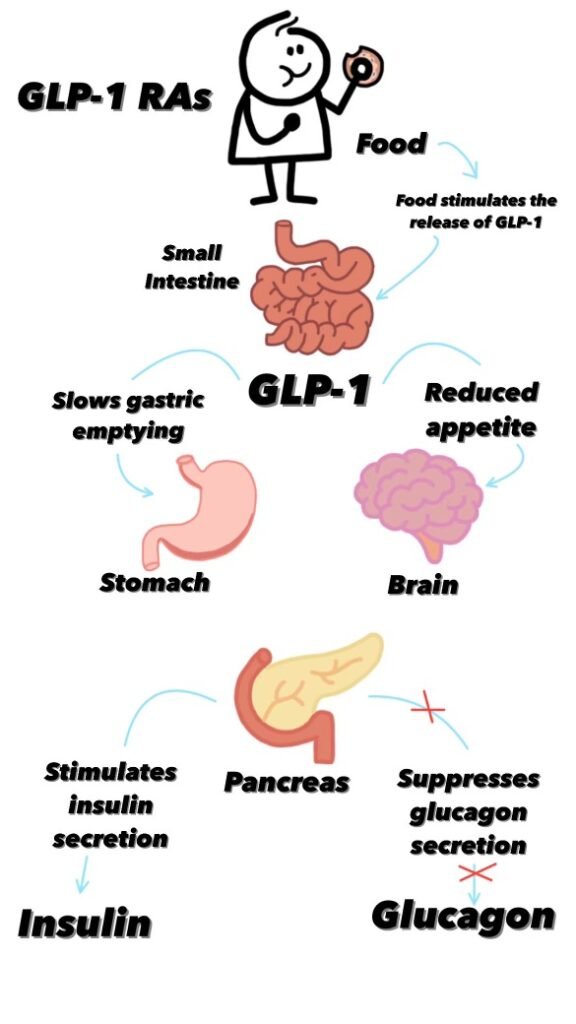

Published this week in Molecular Metabolism, the research from scientists at Indiana University Bloomington takes a “addition by subtraction” approach. Instead of targeting GLP-1 (that hunger-suppressing hormone that’s become synonymous with modern weight loss), they focused on two others: GIP and glucagon. Early animal studies in mice, rats, and monkeys showed promising results — weight loss that matched or topped current GLP-1 drugs, sometimes with fewer limitations.
Richard DiMarchi, a chemistry professor and co-author, admitted they were initially “captured by the central importance of GLP-1.” But those drugs come with baggage: nausea, vomiting, and dose caps that keep many patients from hitting their goals. By removing GLP-1 from the mix, the new experimental drug (a dual GIP-glucagon target) seems to sidestep some of that misery. In monkey tests, animals tolerated high doses without distress, unlike those on Zepbound.
One clever experiment involved mice genetically engineered without GLP-1 receptors. The new drug still delivered solid weight loss, especially at higher doses. Another test showed GIP and glucagon working together synergistically to curb appetite more effectively than either alone. Beyond just eating less, the approach may also crank up energy expenditure — burning more calories even at rest. That’s a double win if it holds up in humans.
Randy Seeley, director of the Michigan Nutrition Obesity Research Center, called the data “useful and impressive” and a “novel way to view the system.” It’s early days, though. Animal results don’t always translate perfectly to people, and we don’t yet know if this new path offers the same cardiovascular perks that have made GLP-1 drugs a bigger health story than just slimming down.
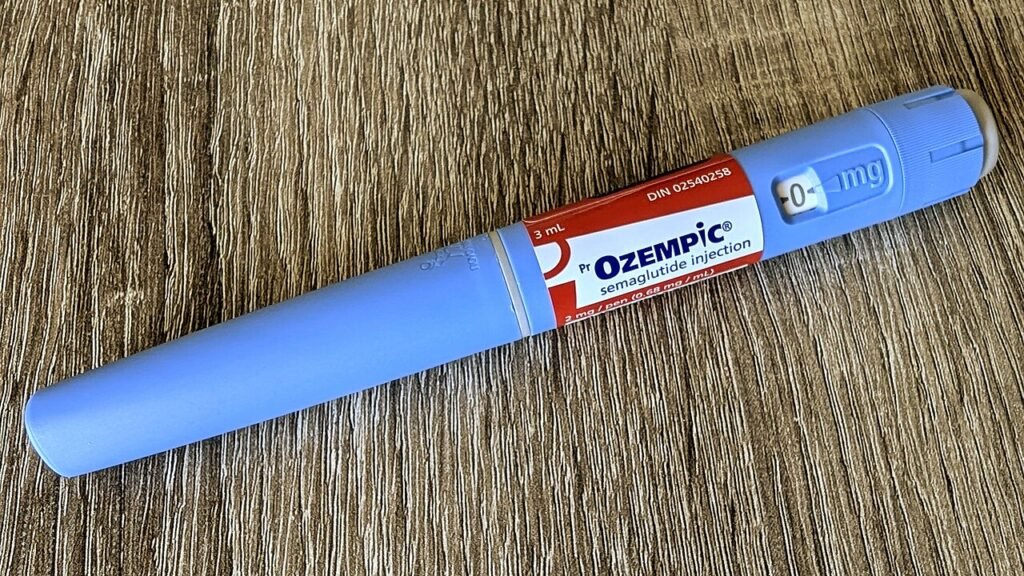

Let’s be real — the GLP-1 boom has been transformative for obesity treatment, but it’s not without its headaches (literally and figuratively). Supply shortages, sky-high prices, and those GI side effects have left plenty of patients and doctors searching for alternatives. If this GIP-glucagon route pans out in human trials, it could open the door to more tolerable, potentially more effective options. Imagine weight loss meds that don’t leave you glued to the couch feeling queasy.
Of course, we’re still a long way from pharmacies stocking these. But the mere idea that we might not need to rely so heavily on GLP-1 is exciting. It challenges the assumption that’s driven an entire pharmaceutical gold rush and reminds us science keeps evolving.
What do you think — are you on a GLP-1 journey, considering one, or skeptical of the whole trend? This could be the plot twist the weight-loss conversation desperately needs. Stay tuned; the race for better, kinder treatments is far from over.