Taylor Swift Is Trademarking Her Voice and Likeness to Fight AI Deepfakes — Smart Move or Sign of the Times?
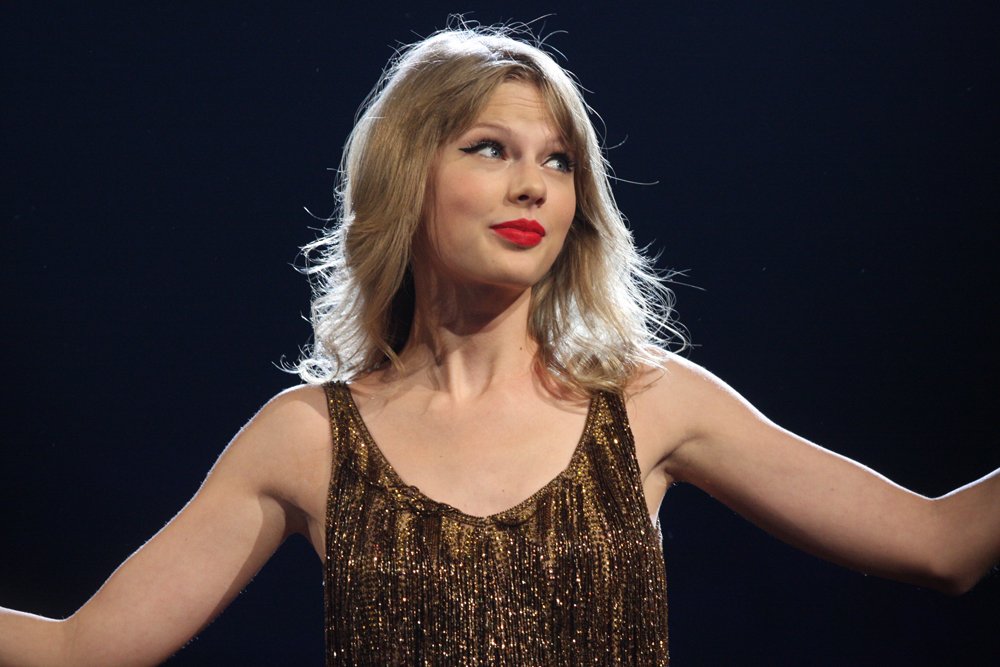
In the age of artificial intelligence that can clone your voice in seconds and slap your face on anything from fake political rants to explicit nonsense, even the biggest stars are drawing a line in the digital sand. Taylor Swift just filed trademark applications for her voice and a signature stage image, aiming to build a legal fortress against the rising tide of deepfakes.
Filed on Friday with the U.S. Patent and Trademark Office through her company TAS Rights Management, the applications cover two short audio clips and one photo. In one clip, you hear Swift’s unmistakable tone: “Hey, it’s Taylor Swift, and you can listen to my new album, ‘The Life of a Showgirl,’ on demand on Amazon Music Unlimited.” The other is a similar promo for Spotify presaves on her October 3 release. The image? Classic Eras Tour Swift — sequined outfit, pink guitar in hand, commanding the stage.
Trademark attorney Josh Gerben, who spotted the filings first, called it a deliberate strategy tailored for the AI era. Copyright protects actual recordings, but AI can generate brand-new audio that sounds just like you without copying a single existing track. That’s the gap these trademarks aim to plug. Existing right-of-publicity laws help, but registering your voice and distinctive visuals adds another layer of firepower for going after unauthorized uses.
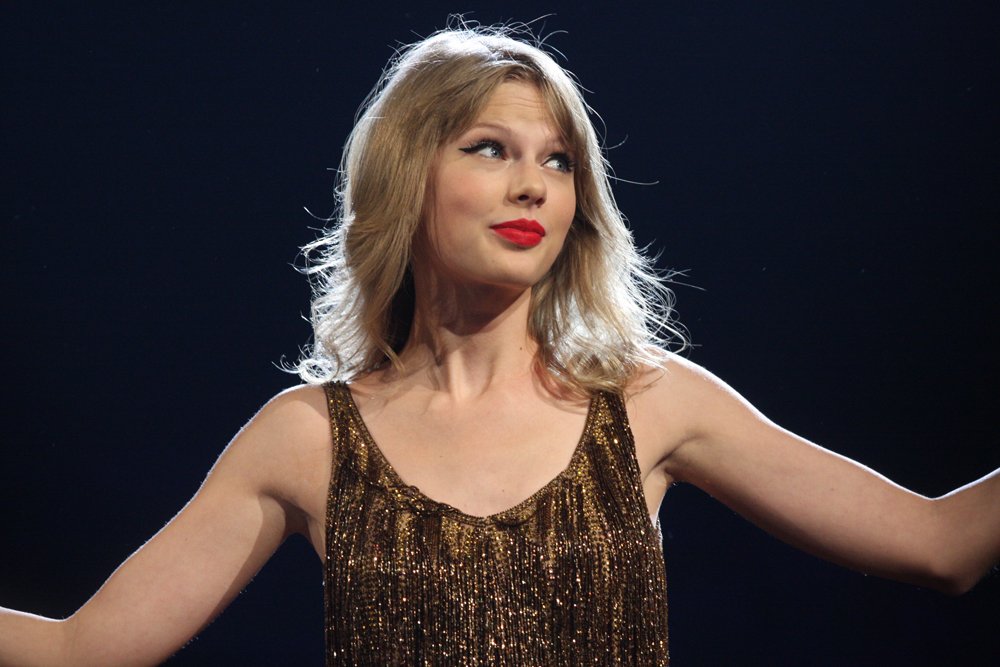

It’s not hard to see why she’s doing this. Swift’s likeness has been exploited in everything from phony endorsements to fake election meddling and, inevitably, non-consensual explicit content. When your voice is as iconic as hers — that warm, conversational lilt that millions instantly recognize — the temptation for scammers and trolls is massive. Actor Matthew McConaughey took a similar step earlier this year, basically saying we need clear rules around consent and attribution in this wild new world.
Look, part of me cheers this. Celebrities aren’t just rich targets; they’re people whose work, image, and identity deserve some guardrails. If Taylor can stop shady AI ads pretending she’s hawking miracle weight-loss gummies or worse, more power to her. But there’s a broader unease here too. We’re watching a legal arms race where the ultra-famous have to trademark their own voices because technology is moving faster than the law. What happens to everyone else who doesn’t have Swift-level resources? The average person’s deepfake nightmare might not get the same courtroom priority.
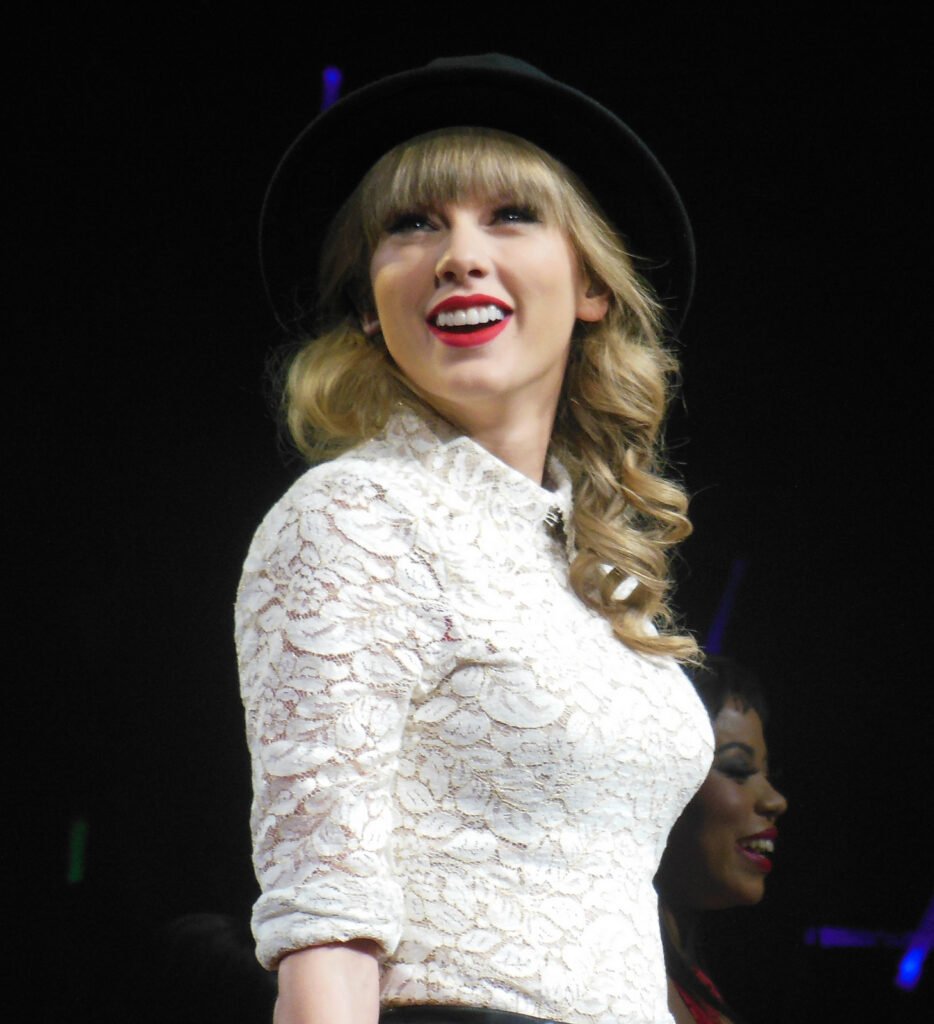

This feels like another chapter in the ongoing tension between creativity and control in the digital age. Swift has always been strategic about protecting her art — from re-recording her catalog to battling ticket scalpers. Now she’s extending that to her actual voice and persona. It’s proactive, savvy, and a little bit dystopian all at once.
Whether these trademarks hold up in court remains to be seen — registering spoken voice this way is relatively untested territory. But in 2026, with AI tools getting scarily good, it’s the kind of move that might set a precedent for other artists.
What do you think — is Taylor being smart by getting ahead of the curve, or does this highlight how broken the system already feels when even superstars have to trademark themselves? Either way, don’t be surprised if more big names follow suit. The deepfake fight is just getting started.