Raw Milk Rebellion: Why Americans Are Risking It All for Unpasteurized Goodness Despite the Warnings
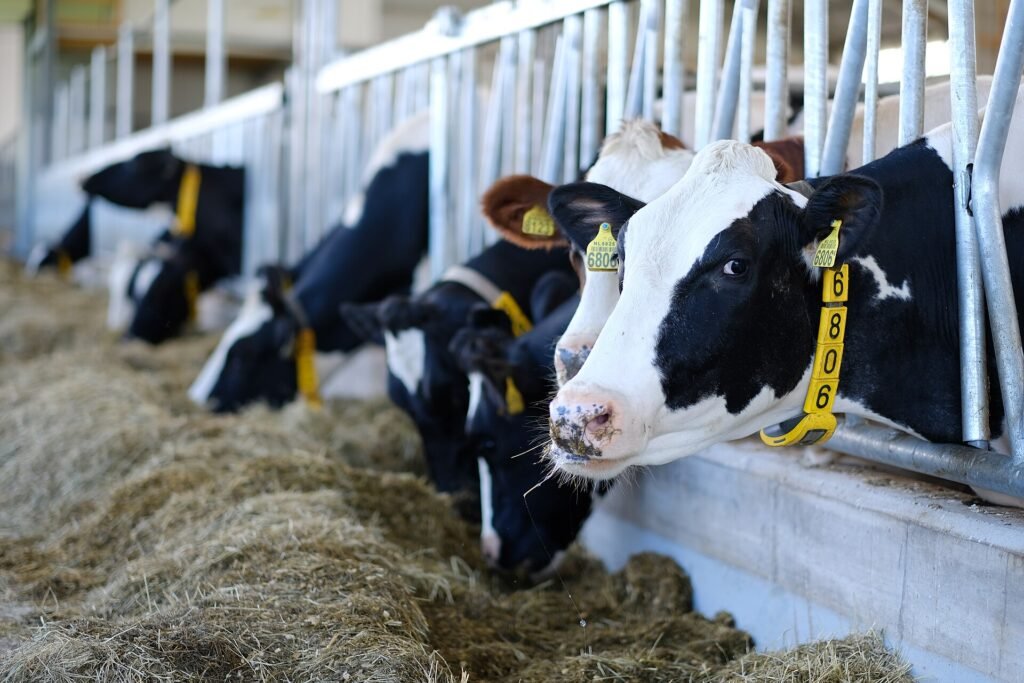
In an era of farm-to-table obsessions and deep distrust of anything processed, a bold movement is bubbling up across America: the push for raw milk. Proponents call it liquid gold — nutrient-packed, probiotic-rich, and straight from the source. Critics? They see it as playing Russian roulette with your gut, especially for kids. And right now, the raw milk crowd is winning legislative ground, even as fresh outbreaks make headlines.
More than three dozen bills supporting raw milk have popped up in statehouses this year, according to the Associated Press. Some would legalize sales for the first time, others expand access through farm stores, grocery shelves, or eased herd-share rules. Dairy farmers can’t keep up — gallons flying off shelves at $10, $20, even $29 a pop. It’s not just crunchy homesteaders anymore; this trend has serious political tailwinds, including from Health Secretary Robert F. Kennedy Jr., who’s been photographed downing shots of the stuff at the White House.
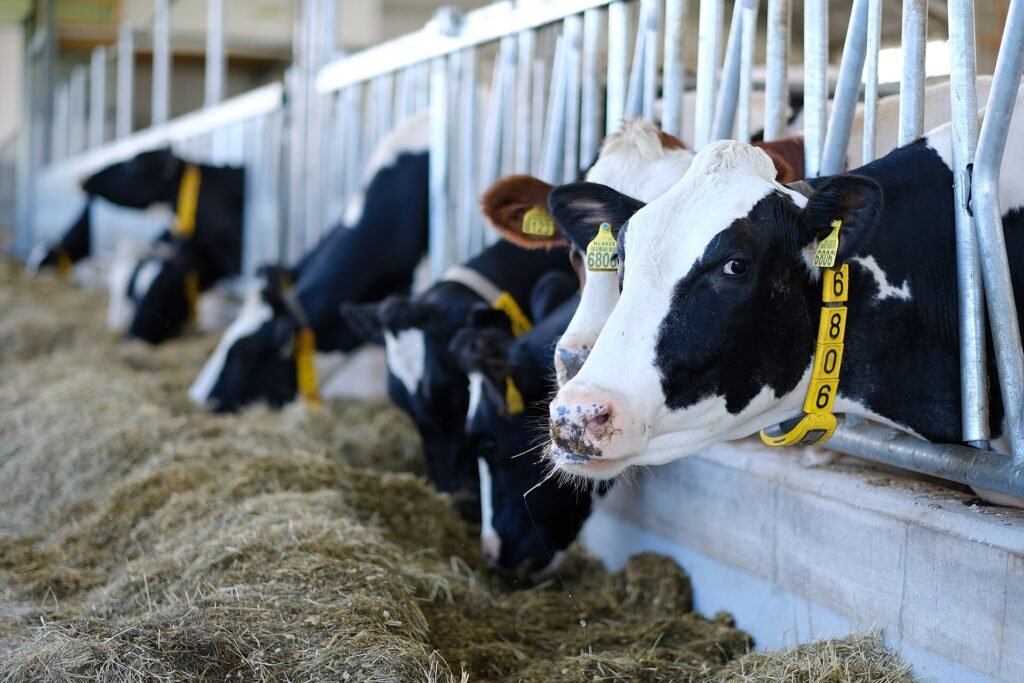
The timing feels particularly wild. A new E. coli outbreak linked to raw milk cheddar from California’s Raw Farm has sickened nine people, including several young children — one facing potential lifelong kidney issues. That’s just one of at least five raw dairy-related incidents in the past year. Public health experts are sounding alarms louder than ever, pointing to CDC data showing raw milk causes dramatically more illnesses than the pasteurized stuff. Yet demand keeps climbing.
Biology professor Petra Anne Levin put it bluntly: “If you wouldn’t lick a cow’s underneath, why would you drink raw milk?” Pasteurization — that quick heat treatment — wipes out nasty bugs like E. coli, salmonella, listeria, and campylobacter without meaningfully hurting nutrition. It’s credited with saving millions of lives since the early 20th century, when contaminated milk was a major killer, especially of infants.
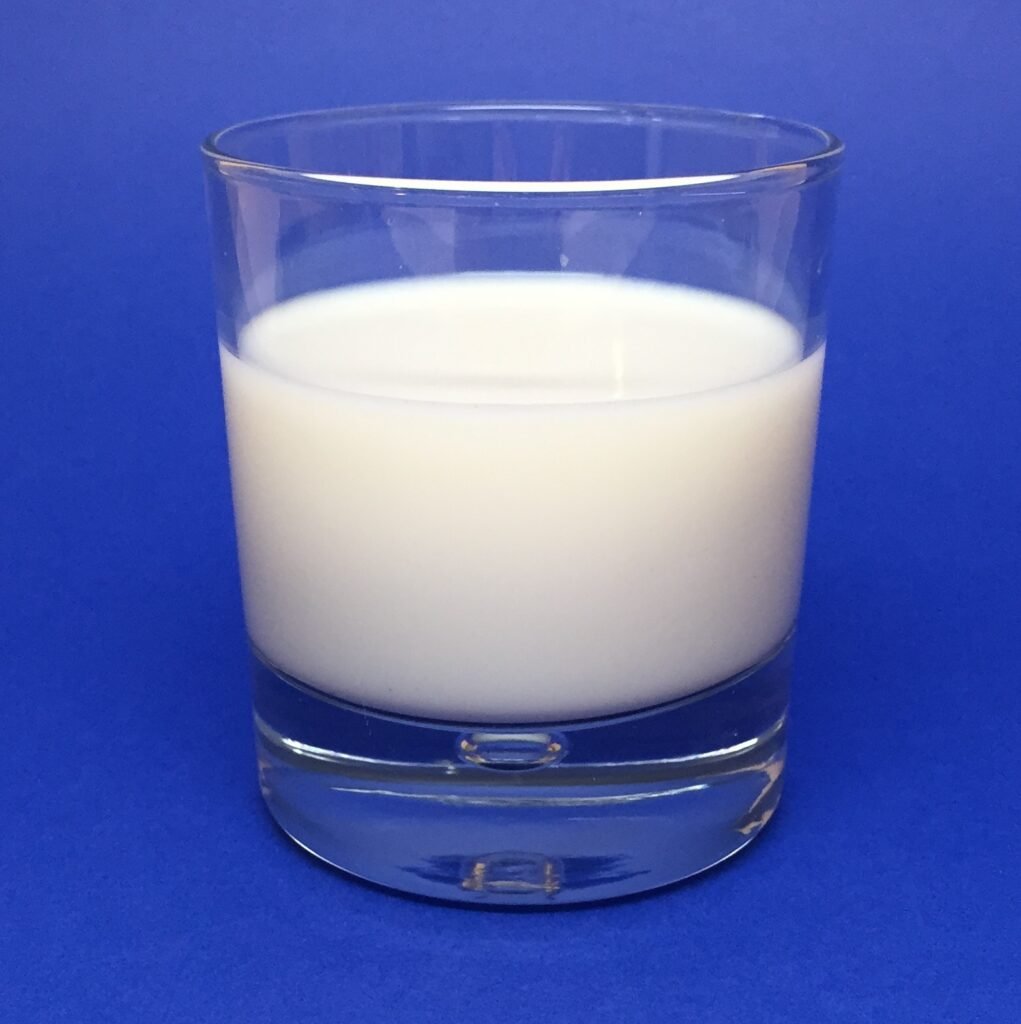
Still, fans swear by the taste and supposed benefits. Farmers like Ben Beichler of Creambrook Farm in Virginia test rigorously, drink it daily with his pregnant wife, and see skyrocketing interest. In Missouri, Tony Huffstutter runs daily on-site lab checks at his farm and compares raw milk to unpasteurized spinach — why single it out? Advocates frame it as freedom of choice: you can buy cigarettes and booze, so why not this?
I get the appeal. There’s something primal and rebellious about rejecting industrialized food systems in favor of what feels more “natural.” In a time when people question everything from seed oils to vaccines, raw milk fits the narrative of taking control of your plate. RFK Jr.’s support and viral social media posts only supercharge it. But the data is sobering — outbreaks aren’t theoretical, and kids pay the highest price because their immune systems aren’t fully equipped for the gamble.
Some voices on both sides are calling for smarter regulation: stricter testing standards, clear labeling, or even federal rules to make it safer without banning it outright. A bipartisan bill in Congress aims to ease interstate sales where it’s already legal. It’s the classic American tension — personal liberty versus public health.
Look, adults can make their own risky choices (hello, extreme sports and rare steaks). But when it starts affecting the most vulnerable and strains the bigger food safety conversation, it’s worth pausing. Pasteurization exists for a reason — it worked wonders for a century. Is ditching it worth the romance of “real” milk?
The raw milk wave isn’t slowing down anytime soon. Whether it leads to more freedom with fewer tragedies or a predictable spike in preventable illnesses remains to be seen. In the meantime, if you’re tempted, do your homework, know your farmer, and maybe keep the kids on the pasteurized stuff. Your gut (and kidneys) might thank you.
What’s your take — raw milk devotee, strict pasteurization fan, or somewhere in the middle? I’d love to hear how this lands in your corner of the country.