Eric Swalwell’s Abrupt Exit: Sexual Misconduct Allegations Force Congressman Out of California Governor’s Race
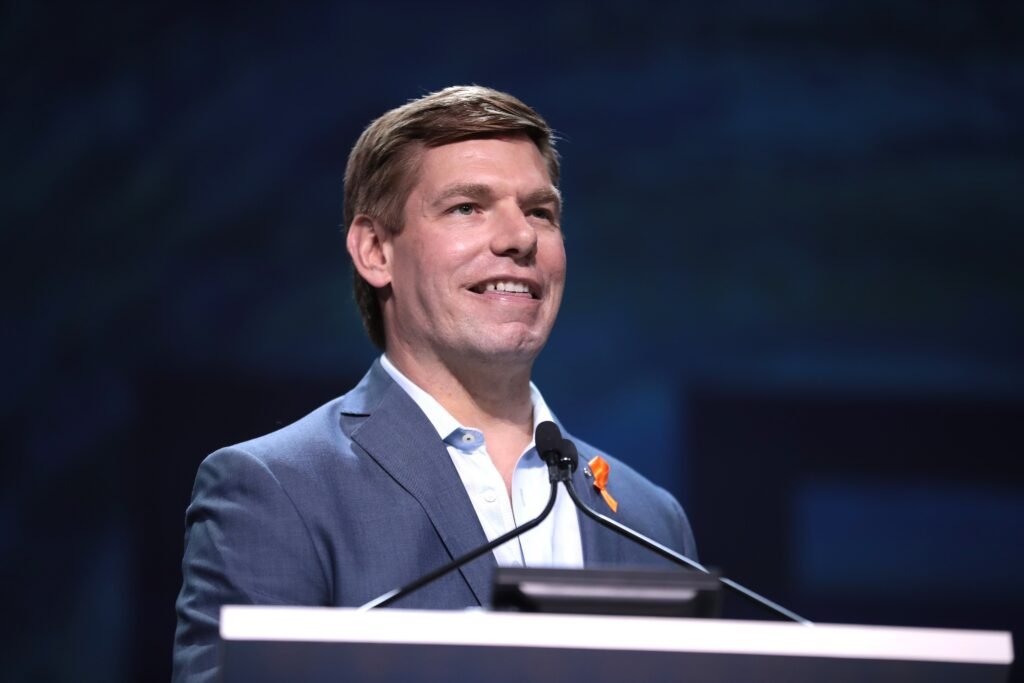
Rep. Eric Swalwell’s bid to succeed Gavin Newsom as governor of California collapsed Friday after a cascade of sexual misconduct allegations from four women, including a former staffer who accused the longtime Democrat of rape. Within hours of the claims surfacing in detail, key allies withdrew support, senior staff distanced themselves, and Swalwell announced he was suspending his campaign, citing a need to focus on family and defend himself against what he called “serious, false allegations.”
The swift downfall underscores the unforgiving speed with which contemporary politics can punish personal misconduct, even for a figure who had positioned himself as a leading progressive voice. Just days earlier, Swalwell had been viewed as a strong contender in what was already a crowded, wide-open nonpartisan primary set for June 2. Now, his once-viable path to the governor’s mansion—one of the most powerful executive offices in the country—appears permanently closed, leaving a fractured Democratic field that could inadvertently boost Republican chances in the nation’s most populous state.

The allegations, first reported in outline by the San Francisco Chronicle and detailed by CNN, paint a troubling picture. One former staffer described a pattern of inappropriate comments and sexual solicitations shortly after she joined Swalwell’s Castro Valley district office. The most serious claim centers on a September 2019 incident following a charity gala in New York. The woman said she had been drinking heavily when she ended up in a hotel room with the congressman. She recounted waking up naked beside him, experiencing physical signs consistent with intercourse, and remembering pushing him away while saying “no.” Corroboration came in the form of contemporaneous text messages she sent to friends and her then-boyfriend, who urged her to report the matter to police.
Three other women accused Swalwell of sexual harassment, including sending unsolicited explicit messages or photos. Some provided documentation to support their accounts. Swalwell’s legal team had sent cease-and-desist letters to at least two of the accusers the day before the stories broke widely. In response, the Manhattan District Attorney’s office confirmed it had opened an investigation into the claims, adopting what it described as a trauma-informed approach.
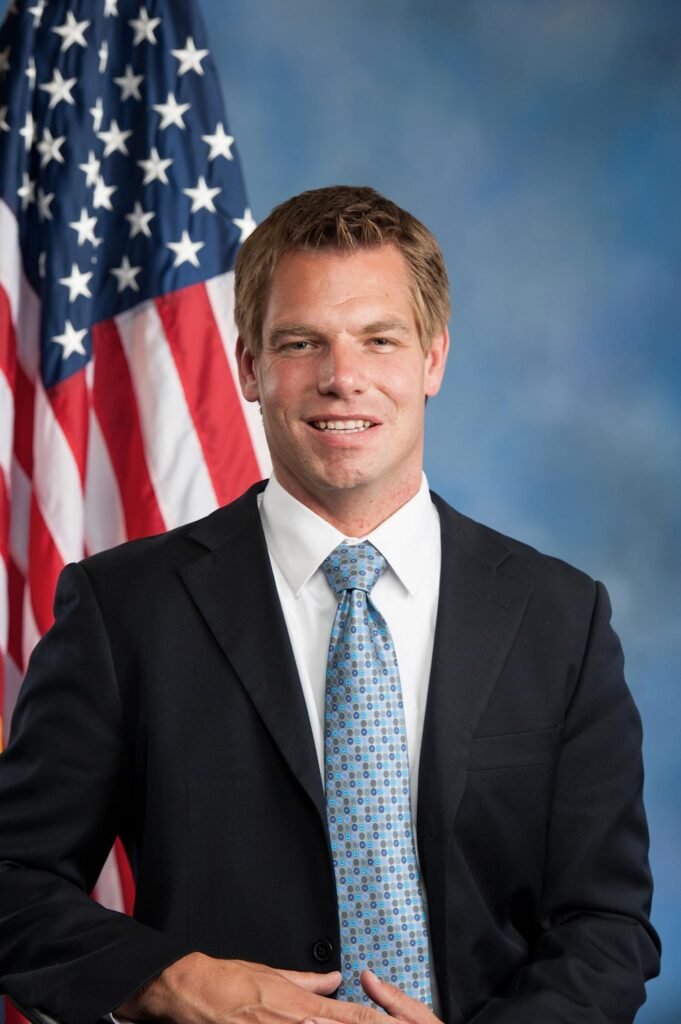

In a video statement posted to X, Swalwell expressed regret for unspecified “mistakes in judgment” in his past while forcefully denying the assault and misconduct allegations. “I will fight the serious, false allegations that have been made—but that’s my fight, not a campaign’s,” he said. He emphasized his 20 years of public service as a prosecutor and congressman, claiming he had “always protected women,” and said his immediate focus would be on his wife and children. The statement was recorded from the Beverly Hills mansion of a wealthy donor, an awkward backdrop that did little to dampen perceptions of privilege amid the crisis.
The political reaction was immediate and devastating. Sen. Adam Schiff and House Democratic Leader Hakeem Jeffries, both of whom had endorsed Swalwell, quickly withdrew their support and called for him to exit the race. Other prominent California Democrats followed suit. Inside the campaign, staff issued statements describing the alleged behavior as “abhorrent” and began assisting displaced colleagues in finding new employment. The collapse left little room for damage control.
California’s unusual top-two primary system—where the top two vote-getters advance to the general election regardless of party—had already created uncertainty. With at least 10 candidates on the ballot and the Democratic vote potentially splitting, two Republicans were polling near the top in recent surveys, raising the improbable but real prospect of a GOP pickup in a state that has not elected a Republican governor since Arnold Schwarzenegger. Swalwell’s exit further fragments the Democratic side at a critical moment, with mail ballots about to go out.
Swalwell, 54, built a national profile as a vocal Trump critic and House manager during the second impeachment trial. He launched a short-lived 2020 presidential bid and has long championed progressive causes on guns, immigration, and technology. Yet whispers of inappropriate behavior with younger staff had circulated in Democratic circles for years. His earlier controversy involving a suspected Chinese intelligence operative—though he was cleared of any improper ties—also resurfaced in commentary, adding to the weight of scrutiny.
From an institutional standpoint, the episode reflects evolving norms around accountability in politics. The Democratic Party, having weathered multiple #MeToo reckonings, moved with notable speed to distance itself from Swalwell once the allegations gained traction and corroboration. That decisiveness may help preserve credibility with key voter groups, particularly women, but it also highlights the tension between due process and the court of public opinion. Allegations, however credible, have not yet been proven in court, and Swalwell maintains his innocence while signaling potential legal action against his accusers.
In my assessment, Swalwell’s rapid fall illustrates a broader challenge for ambitious politicians in the social-media era: personal conduct once overlooked or compartmentalized can now end careers almost overnight when documented evidence surfaces. His case carries particular irony given his history of positioning himself as a defender of women and a prosecutor attuned to issues of justice. The contrast between that public persona and the accusations—especially those involving a power imbalance with subordinates—will be difficult to overcome, regardless of the legal outcome.
For California, the scandal disrupts what many hoped would be a competitive but orderly transition after Newsom’s tenure. The state faces significant challenges, from housing affordability and homelessness to energy reliability and budget pressures. Voters deserved a robust debate among candidates focused on those issues rather than personal scandals. Swalwell’s departure clears the field for others, but the lingering damage to Democratic unity could have consequences in November.
Whether Swalwell can salvage any semblance of his political career remains uncertain. He has vowed to fight the claims “with the facts,” but the combination of lost endorsements, staff revolt, and an active criminal investigation leaves him politically isolated. In modern American politics, redemption arcs are possible but rare when allegations involve sexual misconduct at this level of detail and corroboration.
The California gubernatorial race was already unpredictable. Eric Swalwell’s exit has made it more so—while delivering a sobering lesson about the enduring power of personal accountability in public life. As the primary approaches, the focus now shifts to which candidates can best unify a divided Democratic electorate and address the state’s substantive governance challenges without the distraction of scandal.