FBI Raid in Texas Follows Molotov Attack on Sam Altman’s Home, Highlighting Dangers of Heated Rhetoric in the AI Era
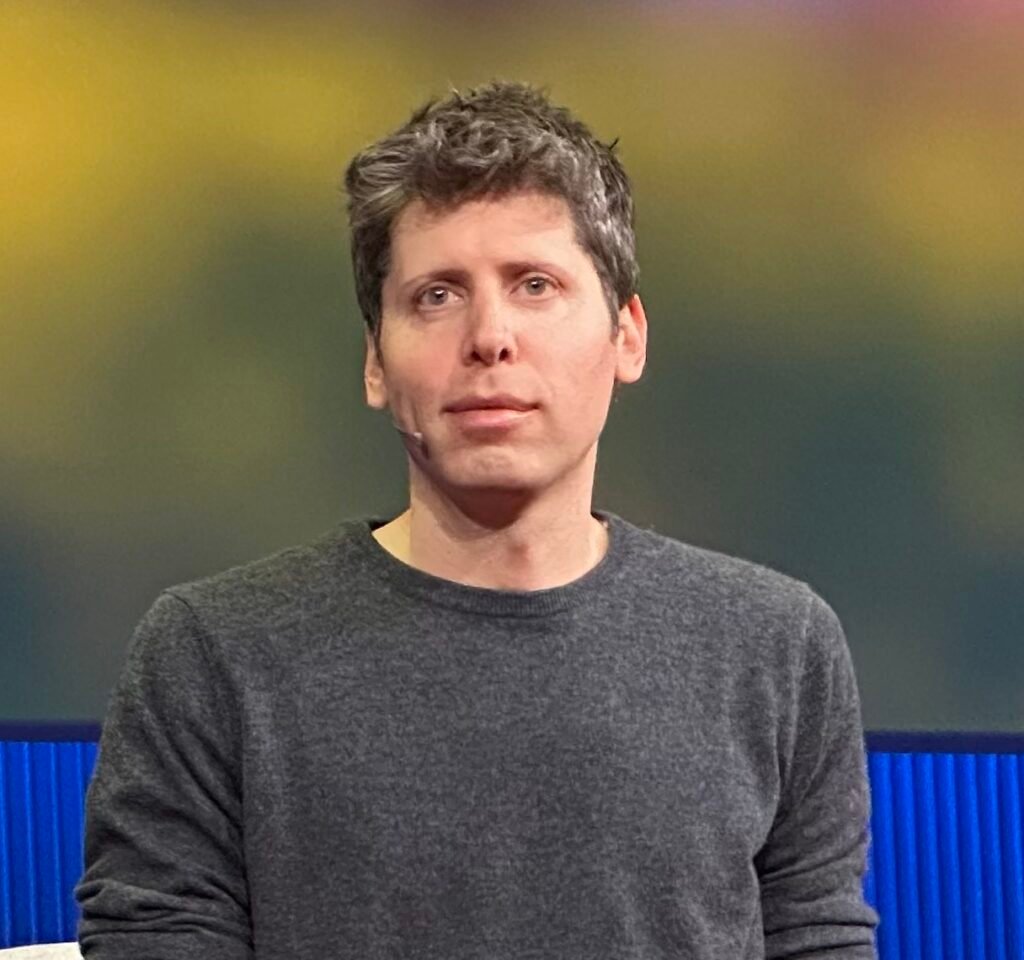
Federal agents executed a search warrant Monday at a home in Spring, Texas, linked to a 20-year-old man accused of hurling a Molotov cocktail at the San Francisco residence of OpenAI CEO Sam Altman in the early hours of April 10. The raid, conducted as part of an active federal investigation, underscores the growing physical risks facing leaders in the artificial-intelligence industry amid intensifying public debate over the technology’s societal impact.
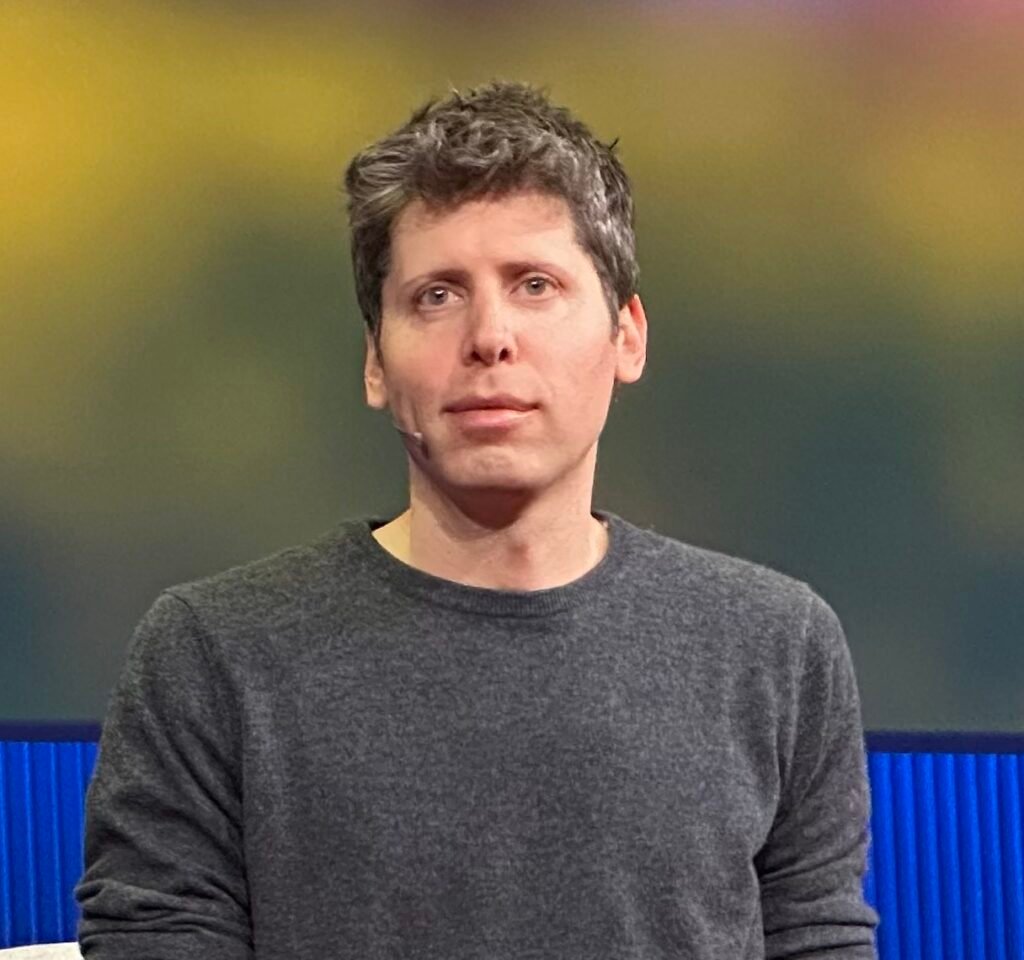
Daniel Moreno-Gama faces a slate of serious charges after authorities say he traveled from Texas to California with the apparent intent to harm Altman. Surveillance footage captured him approaching the front gate of Altman’s home around 3:40 a.m., igniting and throwing the incendiary device, which set the gate ablaze. No one inside was injured, but the attack marked a disturbing escalation from online criticism to real-world violence.
Later that morning, Moreno-Gama was arrested outside OpenAI’s headquarters after allegedly throwing a chair at the glass doors and telling security he planned to burn the building down and kill anyone inside. He was carrying a jug of kerosene, a lighter, and a three-part manifesto that listed names and addresses of other prominent AI executives and investors. Prosecutors describe the actions as premeditated, with the suspect crossing state lines in a targeted operation driven by anti-AI ideology.
Federal charges filed on April 13 include attempted damage and destruction of property by means of explosives, as well as possession of an unregistered firearm. California authorities added attempted murder counts—targeting both Altman and a security guard—along with multiple arson, explosives, and criminal-threat offenses. San Francisco District Attorney Brooke Jenkins called the assault “willful, deliberate and premeditated,” warning that inflammatory rhetoric surrounding artificial intelligence risks inciting further violence. “We need to turn down the temperature on the heated public discourse,” she said, urging restraint even amid legitimate concerns about the pace of AI development.
The FBI raid in Spring, Texas—roughly 40 miles north of Houston—yielded additional evidence, according to Acting Special Agent in Charge Matt Cobo. The search reinforced that the incident was not spontaneous but part of a deliberate plan. Over the weekend, San Francisco police made two unrelated arrests in a separate gunfire incident near Altman’s property, highlighting the unusual level of security concerns now surrounding the OpenAI leader.
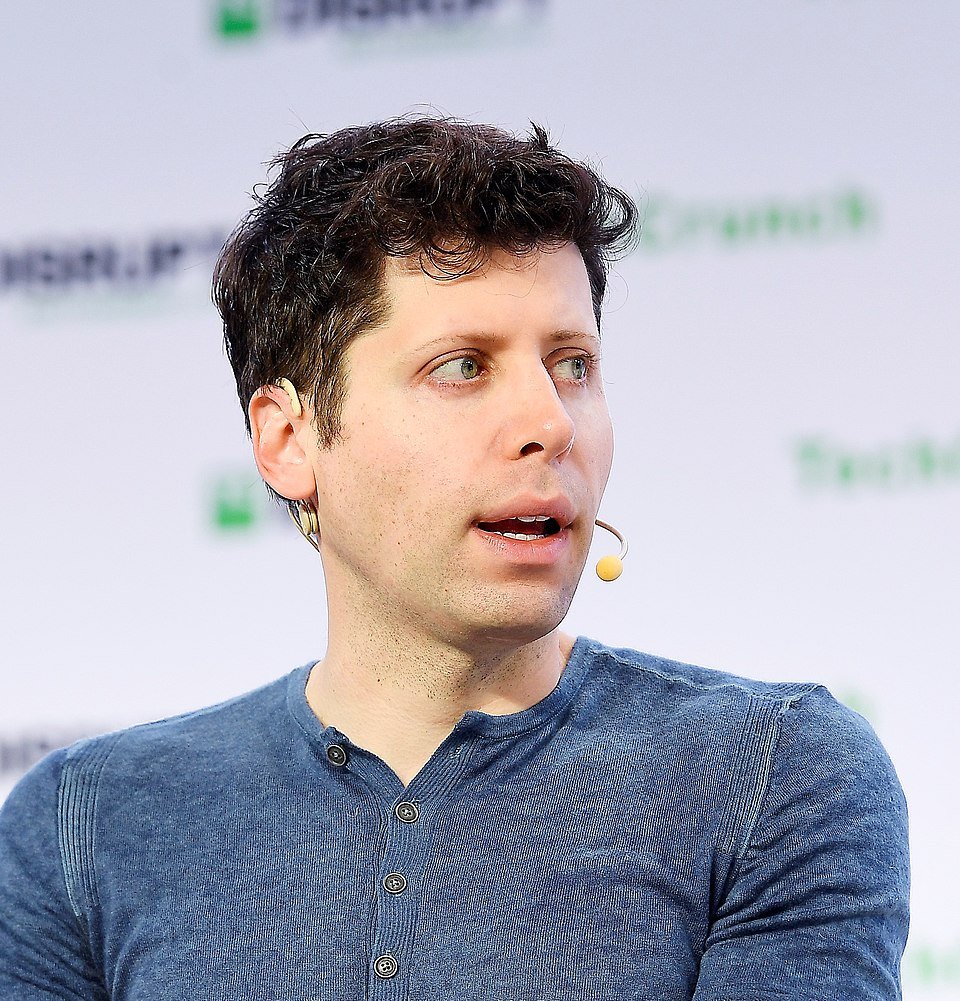

Altman responded publicly on his personal blog with a family photograph, writing simply, “I love them more than anything,” and expressing hope that sharing the image might deter the next potential attacker “no matter what they think about me.” An OpenAI spokesperson emphasized that the assault appeared unrelated to any specific action by Altman and that the home was not targeted for personal reasons beyond his prominent role in the AI sector.
This episode arrives at a moment of heightened anxiety—and polarization—around generative AI. Since the launch of ChatGPT in late 2022, the technology has promised transformative economic benefits while raising fears of job displacement, existential risk, bias, and loss of human control. Public figures, academics, and activists have engaged in vigorous debate, sometimes crossing into apocalyptic language. A manifesto listing multiple AI leaders suggests Moreno-Gama viewed Altman and his peers as symbols of a dangerous technological shift.
From a law-enforcement perspective, the case demonstrates both the strengths and limitations of protecting high-profile individuals in an era of widespread digital radicalization. Swift arrests, surveillance footage, and cross-jurisdictional coordination prevented greater harm. Yet the fact that a 20-year-old could travel across the country with incendiary materials and a hit list points to gaps in early detection of threats fueled by online echo chambers. The presence of an unregistered firearm in the charges adds another layer of concern about access to weapons among ideologically driven individuals.
In my assessment, while the attack must be condemned unequivocally and prosecuted to the fullest extent of the law, it also serves as a cautionary signal for the AI industry and its critics alike. Technological progress has always provoked backlash—think of the Luddites smashing looms or 20th-century anxieties over nuclear power and computers. But today’s tools spread ideas, amplify grievances, and mobilize action at unprecedented speed. When legitimate policy disagreements about regulation, safety testing, or economic disruption descend into demonization of individuals, the risk of stochastic violence rises. Altman’s decision to respond with a personal family image rather than a policy statement was a reminder that executives are human beings with lives beyond their boardrooms.
The broader context matters. OpenAI and its competitors operate at the frontier of capabilities that could reshape labor markets, national security, and even human cognition. Reasonable voices have called for thoughtful oversight, transparency in model training, and safeguards against misuse. Yet framing AI leaders as existential villains rather than imperfect innovators working in a competitive global race invites precisely the kind of extremism on display here. Foreign adversaries, particularly China, are pouring resources into their own AI programs; American innovation cannot afford to be chilled by domestic threats or self-censorship born of fear.
For policymakers, the incident highlights the need for balanced approaches: protecting free speech and vigorous debate while ensuring law enforcement has tools to monitor and interdict credible threats without overreach. Tech companies may need to reassess physical security for executives and facilities, but they cannot wall themselves off from society. Public officials, from district attorneys to members of Congress, should model de-escalation even when criticizing industry practices.
Sam Altman has become one of the most recognizable faces of the AI boom, for better or worse. The attack on his home, followed by the FBI’s prompt action in Texas, illustrates both the personal costs of leadership in a disruptive field and the resilience of institutions tasked with upholding the rule of law. As charges move forward and investigators examine the manifesto and any digital footprint, the case will likely fuel further discussion about how society navigates the promise and peril of artificial intelligence.
Ultimately, violence is never a substitute for argument. The proper arena for debating AI’s future remains the realm of ideas, evidence, and democratic processes—not firebombs or manifestos. Turning down the rhetorical temperature, as DA Jenkins urged, does not mean abandoning scrutiny; it means conducting that scrutiny with the seriousness and humanity the stakes demand. The events in San Francisco and Spring, Texas, serve as a sobering reminder that words, once unleashed, can have consequences far beyond the screen.