Gavin Newsom’s Memoir Sales: Bulk PAC Purchases Inflate Numbers, Highlighting the Blurred Line Between Politics and Publishing
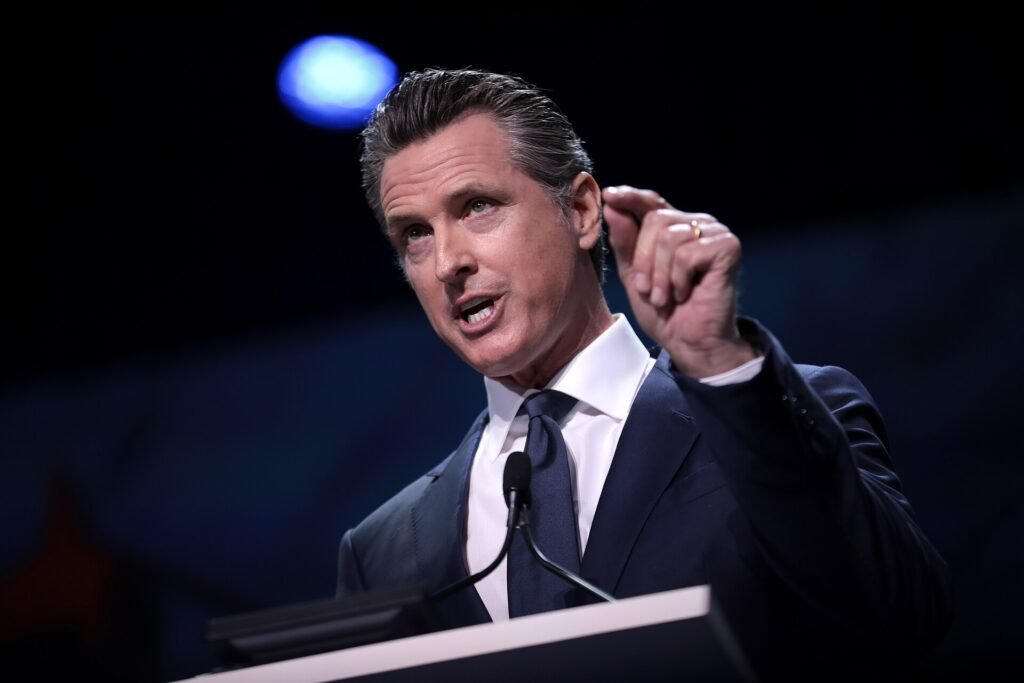
California Gov. Gavin Newsom’s new memoir, “Young Man in a Hurry: A Memoir of Discovery,” has sold more than 97,000 print copies since its release, according to Circana BookScan data—a respectable showing that briefly propelled the book onto bestseller lists. Yet fresh disclosures reveal that roughly two-thirds of those sales, or nearly 70,000 copies, stemmed from a coordinated promotion run through the governor’s own political action committee, Campaign for Democracy. The arrangement, in which supporters received a free copy of the book in exchange for donations of any amount, has drawn scrutiny for its effectiveness in simultaneously boosting both literary metrics and the governor’s political war chest.
Federal filings released this week show the PAC spent $1,561,875 to purchase and distribute the books through Porchlight Book Company, making it the committee’s single largest expense in the first quarter of 2026. The tactic—offered in fundraising emails often buried in fine print—began gaining traction after the passage of Proposition 50 in late 2025 and resurfaced in January. In one email, Newsom told supporters the state had “spent a bunch of money on passing Prop 50” and that he needed to “refill the coffers” for future fights, including redistricting efforts to counter former President Donald Trump.
Newsom’s team has defended the strategy as a creative way to deepen engagement with his supporters. Spokesman Nathan Click told the New York Times the campaign was “thrilled with the response,” adding that the goal was to strengthen ties with the millions who back the governor’s work—and that the effort “more than paid for itself.” In an earlier email to supporters, Newsom described the book as “a good book. Very personal. Not your normal political book at all.”
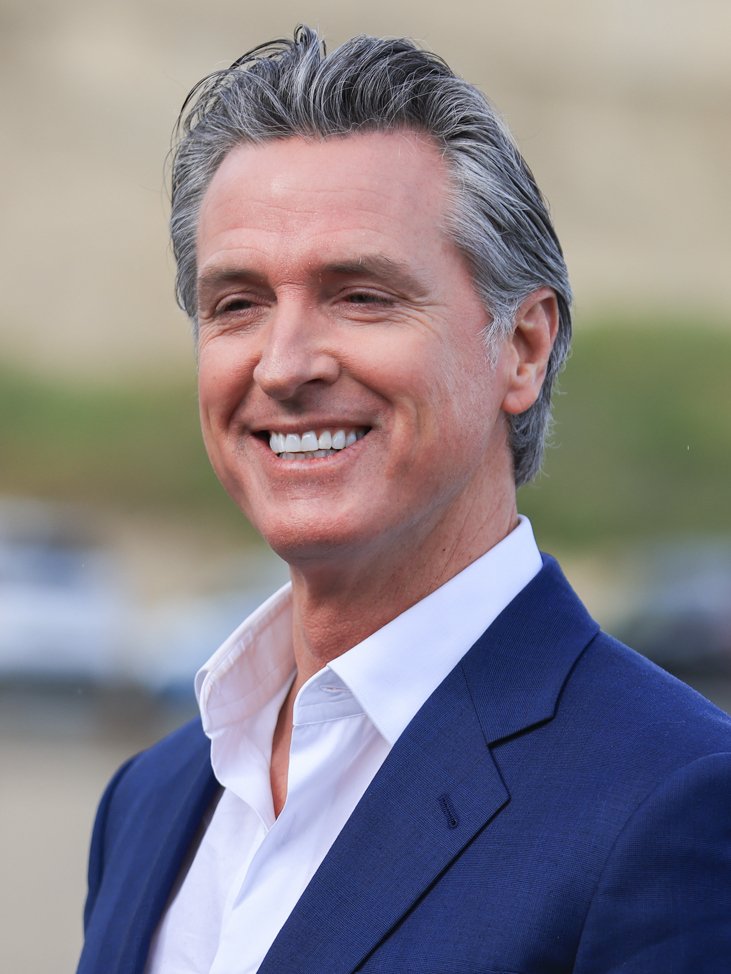
Yet the optics are awkward for a politician who has positioned himself as a serious national figure and potential 2028 presidential contender. While the PAC’s bulk purchases technically count toward reported sales figures, they blur the distinction between genuine reader demand and politically motivated distribution. Traditional bulk buys by authors or campaigns have long been a tool for inflating bestseller status, but tying them directly to fundraising solicitations adds a layer of transactionalism that invites cynicism. Roughly 67,000 donors participated, turning what Newsom framed as a personal reflection into a subtle donation incentive.
This is not an isolated practice. A PAC linked to former Vice President Kamala Harris spent $97,524 on a similar promotion for her own memoir, illustrating how modern political figures increasingly treat books as extensions of their branding and fundraising apparatus. In an era when traditional campaign finance limits coexist with unlimited outside spending, such maneuvers allow ambitious politicians to convert supporter enthusiasm into both revenue and perceived cultural relevance.
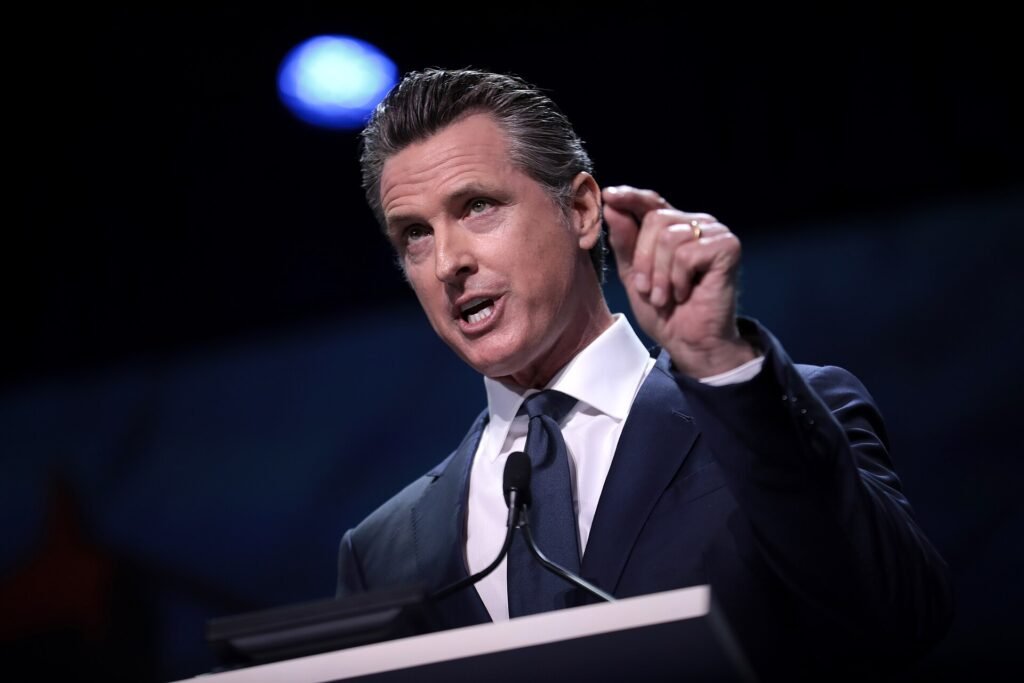

From a broader perspective, the episode underscores the commodification of political memoirs in today’s media environment. True literary success for nonfiction typically rests on organic readership—readers who buy the book because they want to engage with the ideas or story. When the majority of copies move through a donor-driven channel, the signal of public interest becomes noisier. Circana BookScan, which tracks point-of-sale data from major retailers, does not always distinguish bulk or promotional purchases in its public reporting, allowing campaigns to tout headline numbers that may overstate grassroots appeal.
In my view, while there is nothing illegal about the tactic—and Newsom’s team is correct that it successfully replenished political funds—the strategy risks reinforcing perceptions of opportunism. California’s governor already faces criticism for his administration’s handling of homelessness, housing costs, energy reliability, and budget challenges. Launching a “personal” memoir while leveraging it for PAC dollars can come across as tone-deaf, especially when many Californians continue to grapple with high living expenses and state governance frustrations. The fine-print nature of the promotion also raises questions about transparency: donors may have believed they were simply supporting the governor’s causes rather than subsidizing book distribution.
The revelation arrives at a delicate moment for Newsom. With speculation about his national ambitions persisting, every public move is scrutinized for signs of calculation versus authenticity. His memoir, which reportedly delves into personal discovery rather than pure policy, was meant to humanize the governor beyond the headlines of California’s progressive experiments. Instead, the sales mechanics risk overshadowing the content itself. Political books have long served as both intellectual statements and campaign infrastructure—think of Barack Obama’s early works or the flood of Trump-era titles—but the explicit donor-for-book exchange highlights how sophisticated the playbook has become.
For the publishing industry, such arrangements are a mixed blessing. They guarantee a baseline of sales and media attention in a fragmented market where most nonfiction titles struggle. Yet they can also dilute the perceived merit of a book’s performance, making it harder for readers and reviewers to gauge genuine resonance. Publishers and booksellers have long tolerated political bulk buys as a cost of doing business with high-profile authors, but the growing integration with digital fundraising platforms raises new ethical and accounting questions.
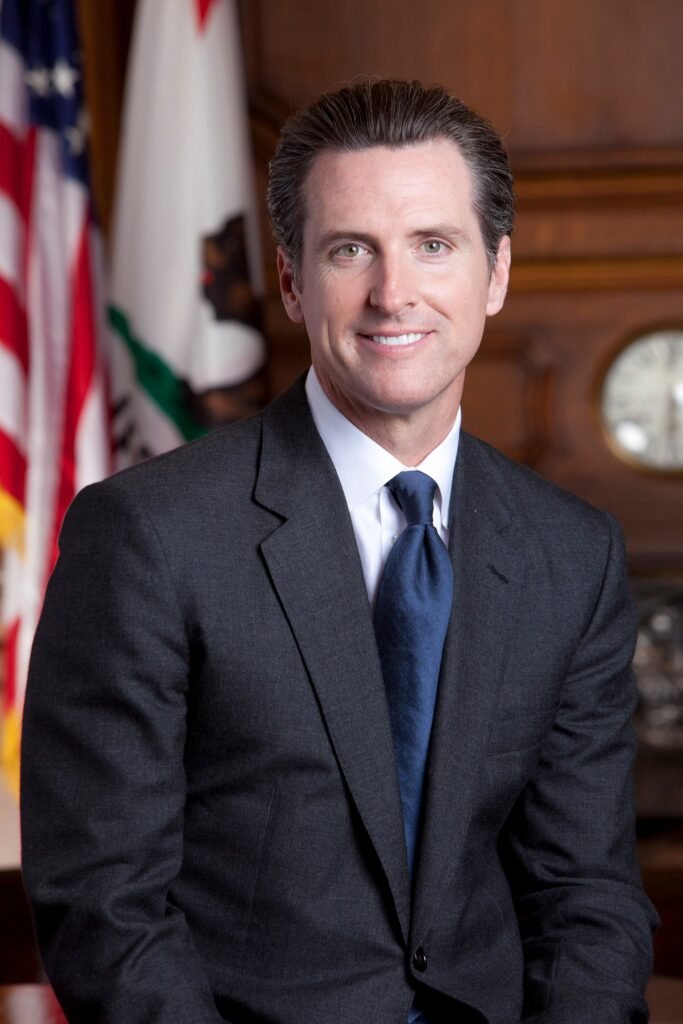

Critics will argue this is simply smart politics: turning a book tour into a donor cultivation tool while claiming literary success. Supporters will counter that engaging constituents through shared reading material is harmless and even beneficial for civic discourse. The truth likely lies in between. Effective leaders should be able to articulate their vision in book form without needing to subsidize distribution through political vehicles. When the bulk of sales depend on such mechanisms, it suggests the underlying message may not be landing as powerfully on its own merits.
As Newsom eyes potential higher office, the memoir episode serves as a microcosm of larger challenges facing ambitious Democrats. In an era of donor-driven politics and polarized media, blending personal branding, fundraising, and policy advocacy has become routine. Yet when the mechanics become too visible, they can undermine the very authenticity politicians seek to project. California’s governor has long cast himself as a forward-thinking leader willing to confront national issues. Whether his memoir ultimately deepens that image—or merely adds to the ledger of calculated political maneuvers—will depend less on the raw sales tally than on how voters perceive the substance behind the promotion.
For now, the numbers tell a clear story: nearly 97,000 copies moved, but the majority traveled through a well-funded PAC pipeline rather than independent bookstore shelves. That distinction may not derail Newsom’s ambitions, but it does invite a healthy dose of skepticism about the organic enthusiasm for “Young Man in a Hurry.” In politics, as in publishing, inflated figures eventually invite closer examination.