“Healthy” Eating Linked to Early-Onset Lung Cancer in Young Non-Smokers? A Surprising Twist from New Research
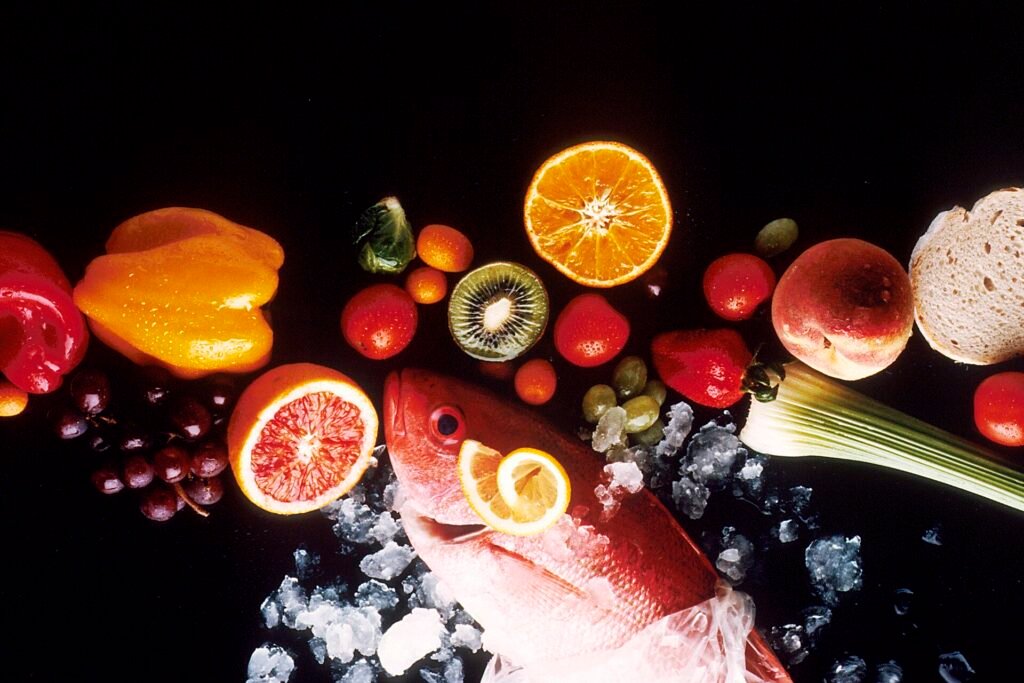
Just when you thought loading up on kale smoothies and quinoa bowls was the ultimate health flex, a new study drops a plot twist that’s leaving everyone doing a double-take. Researchers have found that younger adults — especially non-smoking women under 50 — diagnosed with lung cancer tended to eat more fruits, vegetables, and whole grains than the average person. Yes, you read that right. The very foods we’ve been told to pile on our plates might be carrying an unexpected passenger: pesticide residue.
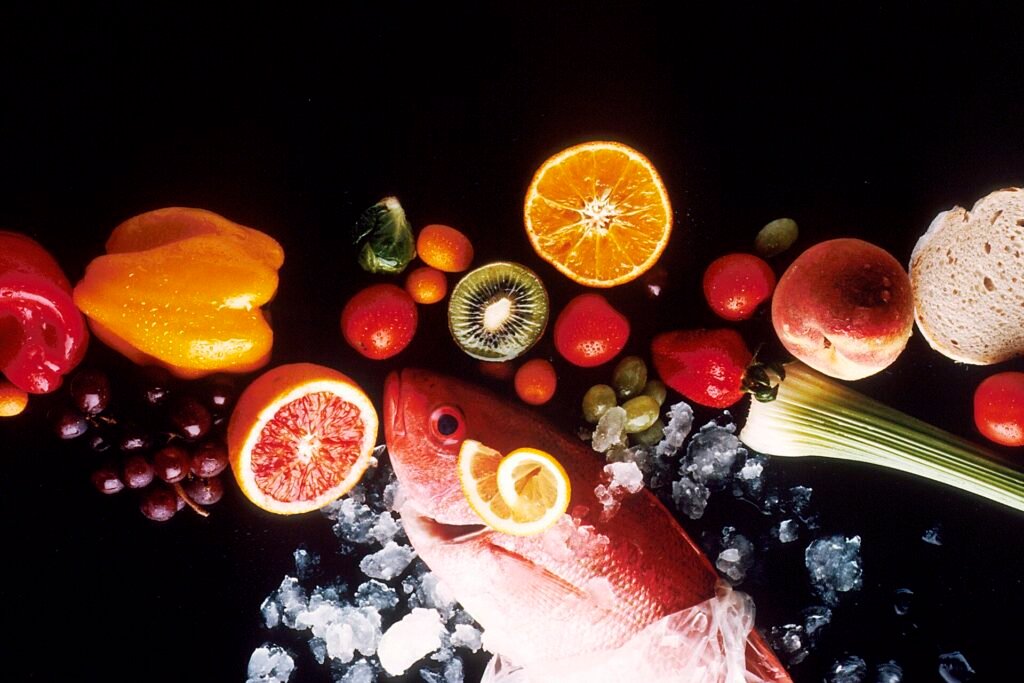

The study, led by experts at the University of Southern California Norris Comprehensive Cancer Center and partnered with GO2 for Lung Cancer, looked at 187 patients diagnosed by age 50. Most had never smoked and had a biologically distinct form of lung cancer not tied to tobacco. On the USDA’s Healthy Eating Index (scoring diet quality from 1 to 100), these patients averaged a 65 — notably higher than the national average of 57. They ate more dark green veggies, legumes, and whole grains too.
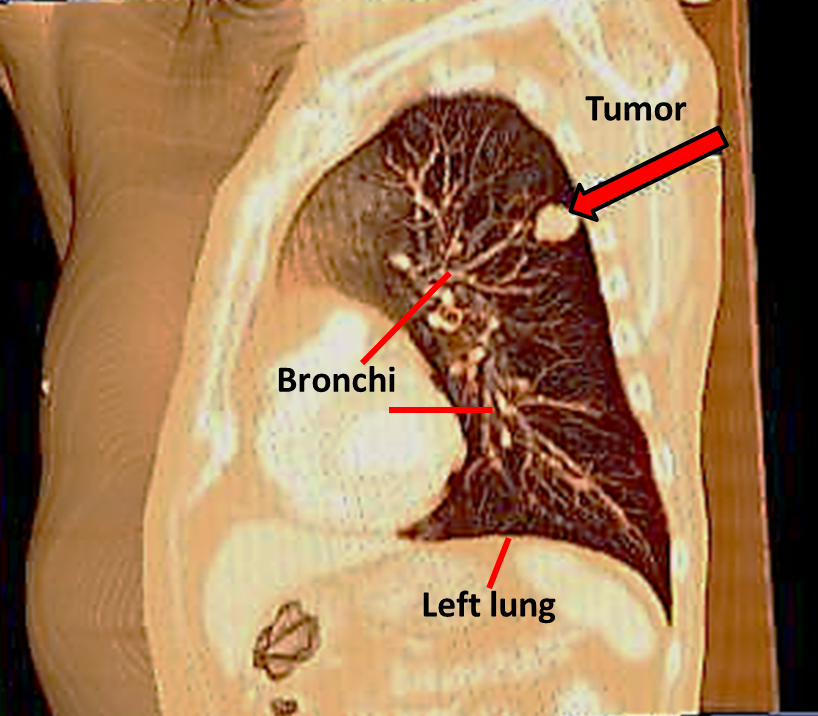
Dr. Jorge Nieva, the lead researcher, admitted the finding was “surprising” at first. Lung cancer has long been an older person’s disease (average diagnosis around 71) and heavily linked to smoking. But with smoking rates down, a troubling rise in young non-smokers — particularly women — is showing up. About 10% of U.S. lung cancer cases now hit people 55 and younger.
So what’s going on? The team zeroed in on pesticides. Commercially grown produce often carries higher residues, and agricultural workers with heavy exposure have shown elevated lung cancer rates in past studies. Pesticides can act as endocrine disruptors, mimicking hormones — something that might hit harder in women due to factors like contraception use and hormone-sensitive cancer types common in this group.

Important caveats here: This is a relatively small observational study, not a randomized trial proving cause and effect. They didn’t test patients’ food directly for chemicals; they used average residue data. And no one is suggesting you toss your apples and broccoli in the trash. As experts emphasize, the overall benefits of a plant-rich diet are still well-established for most health outcomes.
That said, it’s a wake-up call about how our food system works. If pesticide exposure is playing a role in this emerging trend, it highlights the need for better regulations, more organic options, thorough washing practices, or even shifts in farming methods. Danielle Hicks from GO2 for Lung Cancer put it well: many young patients ask “how did this happen?” when they have no obvious risk factors. This research might start answering that.
In an era where wellness influencers push “clean eating” nonstop, this reminds us that “clean” can be relative. Environmental factors we can’t always control — from what’s sprayed on our salad to air quality — matter more than we think. Future studies will dig deeper, including global pesticide patterns and sex-specific differences.
Bottom line? Keep eating your fruits and veggies — they’re still nutritional powerhouses. But maybe prioritize organic when possible, wash thoroughly, and stay tuned for more science on this. Sometimes the healthiest choices come with invisible trade-offs in our modern world.
What’s your take — does this make you rethink your grocery habits, or are you waiting for bigger studies? Either way, it’s another reminder that staying healthy isn’t as straightforward as it used to be.