Hollywood Is “Ghosting” Cannes This Year — And the Reasons Might Surprise You
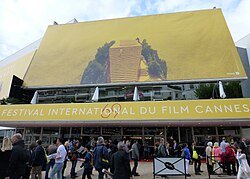
For the first time since 2017, the Cannes Film Festival is rolling out the red carpet without a single major Hollywood studio premiere in sight. No big tentpoles, no splashy blockbusters using the Croisette as a glamorous launchpad. Just a noticeable tentpole-sized hole where the likes of Top Gun: Maverick or Indiana Jones used to strut. It’s a quiet but seismic shift, and everyone from festival director Thierry Frémaux to studio execs is feeling it.
This year’s lineup has strong American indies like James Gray’s Paper Tiger (starring Scarlett Johansson, Adam Driver, and Miles Teller) and Ira Sachs’ musical fantasy The Man I Love with Rami Malek. But the big-money studio fare? Crickets. Instead, Cannes is dusting off a 2001 Fast and the Furious screening with Vin Diesel and the crew, plus a Pan’s Labyrinth anniversary to bring Guillermo del Toro back. Nostalgia fill-ins for what used to be star-studded spectacle.
So what gives? The math just isn’t adding up for the majors anymore. First, the eye-watering cost: flying A-listers, security details, and accommodations in one of the world’s priciest resort towns can easily hit seven figures. In an industry still tightening belts after contractions, mergers, and streaming wars, that’s an easy expense to cut.
Then there’s the risk factor. Social media has turned festival premieres into high-stakes roulette. Drop a big movie in front of thousands of international journalists months before release, and one lukewarm (or brutal) reaction can go viral overnight. Remember Indiana Jones and the Dial of Destiny in 2023? Solid but not spectacular reviews out of Cannes, and the film struggled to $384 million globally against a massive budget. Or Joker: Folie à Deux at Venice — critics torched it, and the box office followed suit. Studios are learning that controlling the narrative with tighter, social-first campaigns often beats rolling the dice on fickle festival crowds.
Timing doesn’t help either. Most 2026 tentpoles like Toy Story 5, Christopher Nolan’s The Odyssey, or Steven Spielberg’s Disclosure Day sit too far from the May festival window to make a premiere worthwhile. When Top Gun: Maverick hit Cannes in 2022, it was already a victory lap with glowing early buzz. Without that perfect alignment, why risk it?
Even A24 — the indie darling that’s been a Cannes regular — is sitting this one out after some recent muted receptions. They’re opting for more controlled rollouts that let audience love build organically, like with Timothée Chalamet’s Marty Supreme.
Look, Cannes isn’t dying. It’s just shifting back toward its roots: bold world cinema, auteurs, and risk-takers. For global indies and awards hopefuls, it still delivers that magical boost. But for risk-averse Hollywood studios juggling billion-dollar franchises, the glitz of the Palais might not be worth the potential social media pile-on or marketing headache.
Part of me misses the old glamour — the flyovers, the star power, the electric mix of popcorn and prestige. But this retreat also feels like a pragmatic evolution in how movies get launched in 2026. In an era where one bad tweet can tank momentum, controlled environments win.
Cannes will still be fabulous, just a little less star-spangled. And Hollywood? They’ll be watching from afar, probably relieved they didn’t have to roll the dice this time.
What do you think — is this a smart business move by the studios, or a sad sign that the magic of big festival premieres is fading? Either way, the Croisette is about to feel a bit more European this year.