Kamala Harris Teases 2028 Presidential Run at Activists’ Conference
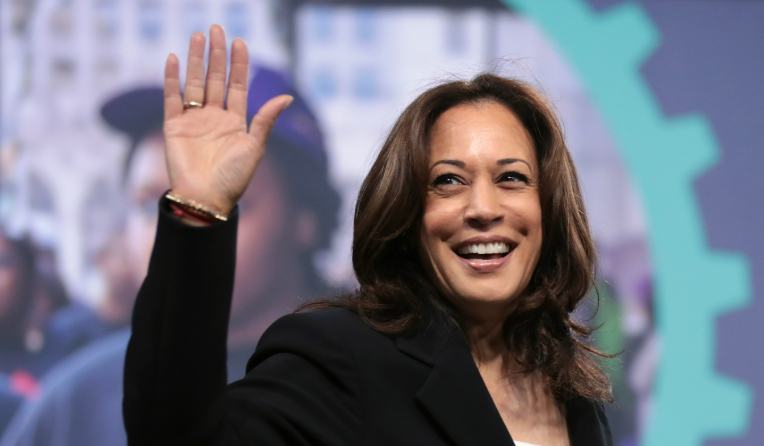
Former Vice President Kamala Harris offered her most direct signal yet that she is seriously contemplating another run for the White House in 2028, telling a cheering crowd of activists in New York City on Friday that she is “thinking about it.” The remarks, delivered during a conversation with Rev. Al Sharpton at the National Action Network convention, mark a notable evolution from her more cautious comments in recent months and thrust the still-young 2028 Democratic presidential contest into sharper focus.
When Sharpton asked point-blank whether she would seek the presidency again, Harris responded without hesitation: “Listen, I might. I’m thinking about it.” She quickly framed the decision in terms of service rather than personal ambition, adding, “I served for four years being a heartbeat away from the presidency of the United States. I know what the job is, and I know what it requires.” Harris emphasized that any future bid would center on delivering “progress” over bureaucratic “process,” and she stressed that leadership must be “about the American people” rather than self-interest. She closed with a familiar political teaser: “I’ll keep you posted.”
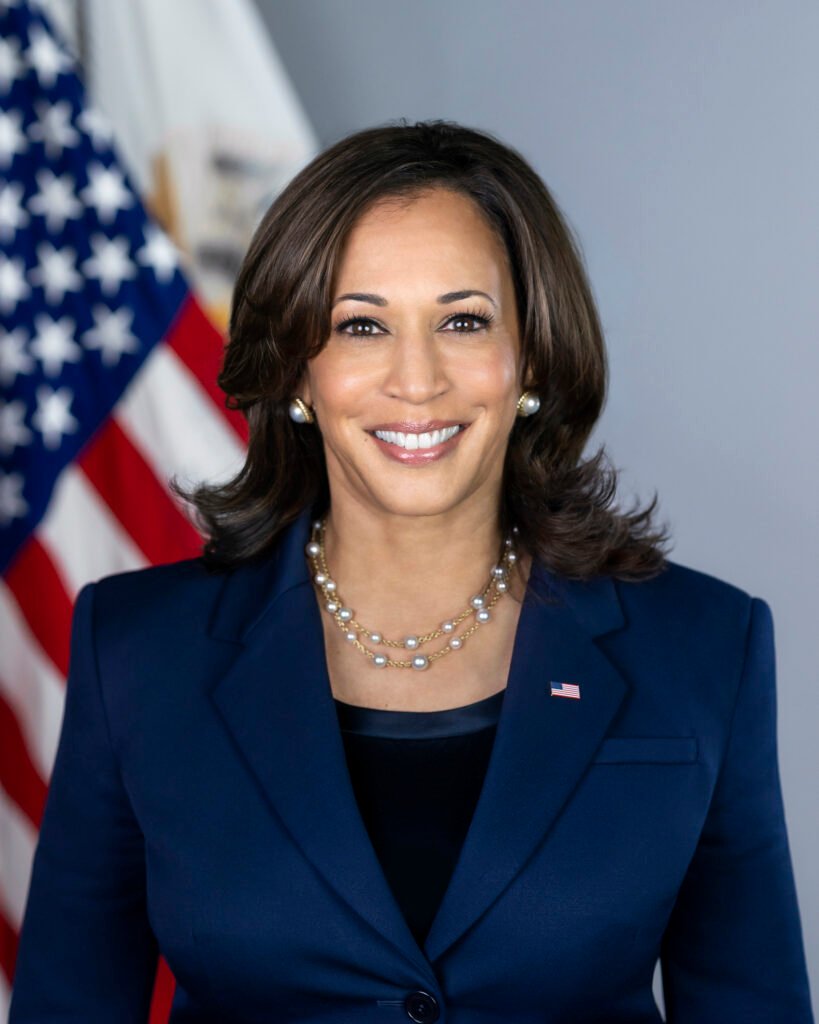

The ballroom erupted in chants of “Run again!”—a warm reception that contrasted sharply with the difficult road Harris traveled in 2024. After President Joe Biden stepped aside under intense party pressure, Harris stepped in as the Democratic nominee but went on to lose to Donald Trump. That defeat followed her earlier exit from the 2020 presidential primary race before voting began, after which she was chosen as Biden’s running mate. Her 2024 campaign struggled with questions of authenticity, policy clarity, and voter enthusiasm, issues that Democratic strategists continue to dissect more than a year later.
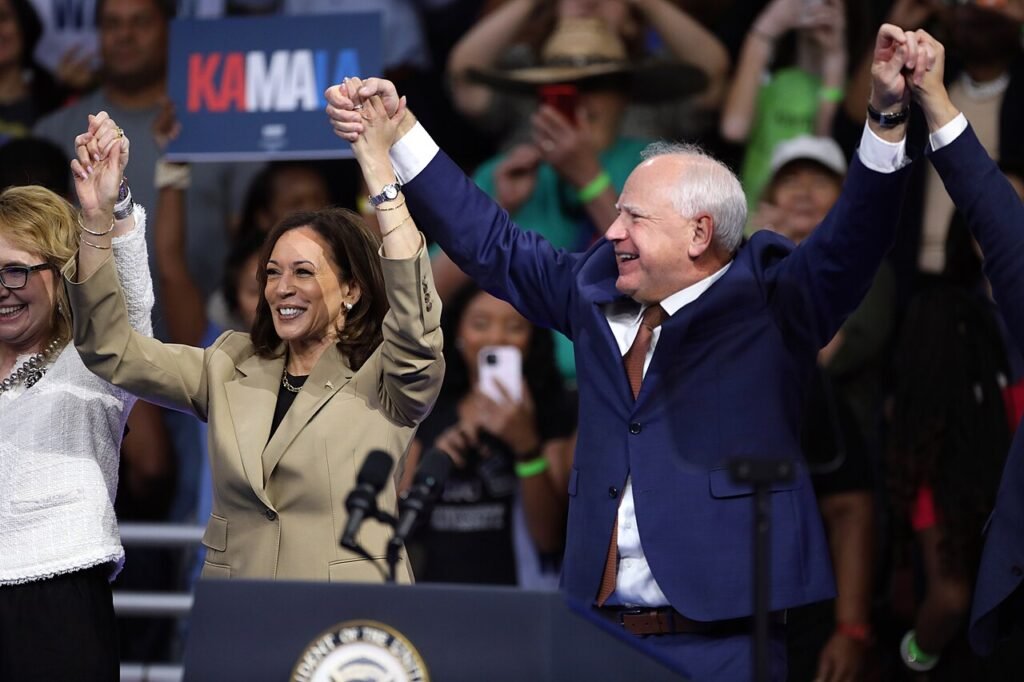
Harris used the platform to draw sharp contrasts with the current administration. She criticized President Trump’s foreign policy decisions, accusing him of misleading the public about breaking down costs and prices on “Day 1” and entering conflicts that impose heavy burdens on American families. “The American citizens will always pay for war,” she said, while highlighting what she portrayed as strained alliances and harm to U.S. service members under Trump’s watch. These themes—competence in governance, criticism of Trump-era chaos, and a call to streamline bureaucracy—appear tailored to position her as a battle-tested leader ready to reclaim the center for Democrats.
Early polling, still highly preliminary, places Harris at or near the top of hypothetical 2028 Democratic fields, largely on the strength of her national name recognition. Yet the conference itself showcased a growing roster of alternatives. Fellow speakers included Illinois Gov. J.B. Pritzker, Pennsylvania Gov. Josh Shapiro, Maryland Gov. Wes Moore, and Arizona Sen. Ruben Gallego—each viewed by some party operatives as fresher faces unburdened by the baggage of the Biden-Harris years. Their presence underscored the reality that Harris, while still a formidable figure within the party’s base, faces an increasingly competitive landscape.
From a broader political perspective, Harris’s comments reflect both personal resilience and the Democratic Party’s unresolved post-2024 reckoning. Many within the party believe the 2024 loss stemmed not just from external headwinds—such as economic discontent and cultural backlash—but from internal shortcomings in messaging, candidate vetting, and connecting with working-class voters. Harris’s memoir “107 Days,” which chronicled her abbreviated general-election campaign, offered some introspection but also drew criticism for insufficient accountability. Her re-emergence on the activist circuit suggests a deliberate effort to rebuild relationships with core constituencies, particularly within the African American community represented at the NAN gathering.
In my assessment, the former vice president faces a steep uphill climb if she chooses to run. While her experience as vice president gives her substantive credentials on foreign policy and domestic governance, voters in 2024 demonstrated clear reservations about her as the face of the Democratic ticket. Name recognition is a double-edged sword: it guarantees visibility but also locks in memories of past campaign stumbles. Moreover, the Democratic bench has deepened since 2024. Governors like Shapiro and Pritzker have executive records that could appeal to moderates, while younger figures may energize progressives seeking generational change. A Harris candidacy risks becoming a rematch of internal party dynamics that contributed to the last defeat.
That said, dismissing her prospects outright would be premature. Harris retains strong support among key demographic groups that form the Democratic base, and the passage of time—combined with any perceived missteps by the Trump administration—could rehabilitate her image. Her emphasis on cutting bureaucracy and delivering tangible progress echoes frustrations that transcend party lines. If she can demonstrate fresh thinking and a more disciplined approach to campaigning, she could consolidate support that might otherwise fragment.
For the Democratic Party as a whole, the early stirrings of the 2028 cycle highlight both opportunity and peril. The party must decide whether to double down on familiar figures who represent continuity with the Biden era or embrace newer voices capable of broadening the coalition. Harris’s willingness to “think about it” publicly keeps her relevant but also invites intense scrutiny of her 2024 performance. Party leaders would be wise to encourage a competitive primary process that tests ideas and candidates rigorously rather than anointing frontrunners based on past proximity to power.
Ultimately, Harris’s comments at the NAN conference are less a formal declaration than a strategic signal: she remains a player on the national stage and intends to shape the conversation about the party’s future. Whether that future includes her at the top of the ticket will depend on her ability to address voter concerns that proved decisive in 2024, as well as the performance of the current administration and the evolving preferences of Democratic voters over the next two years.
As the 2028 contest begins to take shape, one thing is already clear: the path to the Democratic nomination will be crowded, contested, and consequential. Harris has kept her options open. The real test will be whether she—and the party—can translate reflection into renewal.