Mike Pence: Where He Stands On The Issues
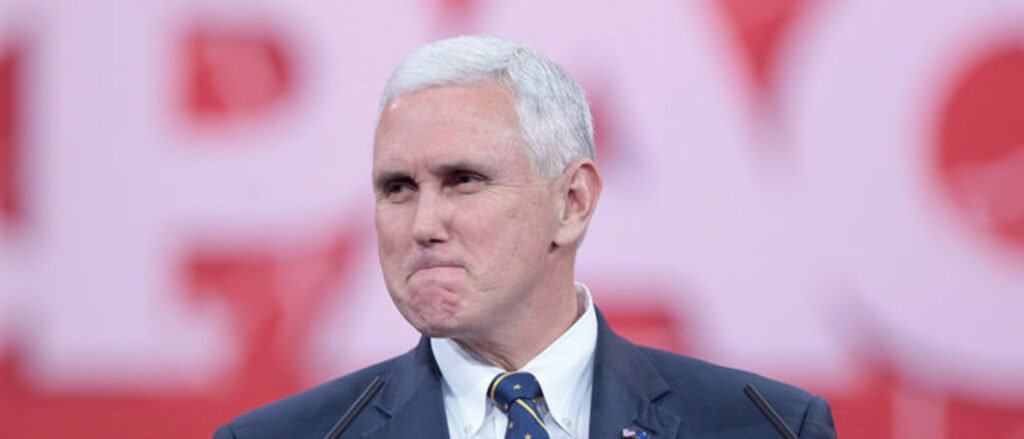
Donald Trump is expected to select Indiana Gov. Mike Pence as his running mate. Here’s everything you need to know about him.
Trump has postponed the official announcement on his vice presidential pick, which was originally scheduled for July 15, after a truck plowed through a crowd celebrating Bastille Day in Nice, France, killing at least 75 people, reports CNBC. It is unknown when the presumptive Republican nominee will make his selection official.
If Pence becomes the vice presidential candidate, Trump, who has never held elected office, would have a running mate with a long record of public responsibilities – Pence has led Indiana during a period of economic recovery and has led the charge in cutting taxes and expanding early education funding, for which he has received much praise, notes CNBC. Besides being a governor, Pence also served six terms in Congress, during which he chaired the House Republican Study Committee, the House Foreign Affairs Committee and the House Republican Conference, for which he served as chairman.
Though the Indiana governor is a strong Trump supporter and has spoken at several of his rallies, Pence has disagreed with several of Trump’s policies, such as elimination of the Trans-Pacific Partnership, in the past and even endorsed Texas Sen. Ted Cruz in his state primary.
Pence also spoke out against Trump’s proposed ban on Muslims entering the U.S., although he also fought against allowing Syrian refugees to settle in his home state, notes CBS.
Many experts say that Pence, a lifelong politician with a comparatively soft-spoken demeanor – he frequently referred to himself as “Rush Limbaugh on decaf” when he hosted a radio show — would bring much-needed balance to Trump’s ticket. His lengthy resume as a social conservative and frequent outspokenness about his Christian faith and would help bring in the evangelical Christian voters that Trump, a New York businessman and former Democrat, struggled with during the primaries.
Pence has described himself in the past as “a Christian, a conservative and a Republican — in that order,” notes CBS. He has fought hard against abortion – he recently signed a bill preventing women from having an abortion due to potential birth defects in a fetus – and has also won over religious conservatives by signing Indiana’s Religious Freedom Restoration Act into law in 2015, which allows people to refuse service to others based on religious reasons, such as opposition to same-sex marriage or relationships.