Pakistani Man Convicted in Iran-Backed Plot to Kill Trump
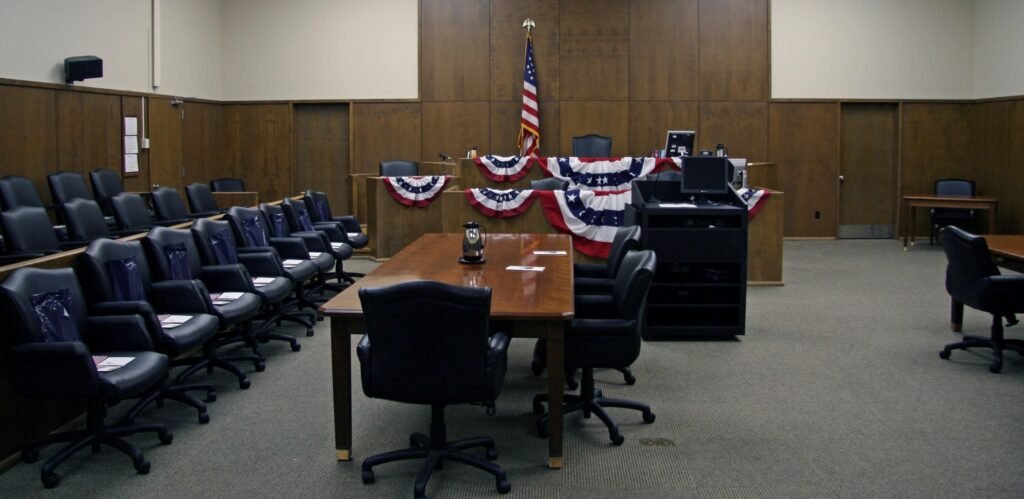
A federal jury in the United States has convicted a Pakistani man of conspiring with the Iranian government to assassinate American politicians, including former President Donald Trump. This landmark verdict, delivered after a tense trial in a New York courtroom, represents a significant victory for U.S. law enforcement in combating foreign-backed threats. The man, whose full identity is protected under a court seal to safeguard ongoing investigations, was found guilty on multiple charges, including conspiracy to commit murder and providing material support to a foreign terrorist organization. Prosecutors meticulously outlined how he served as a key intermediary, leveraging his connections to facilitate communications between Iranian operatives and potential assassins within the U.S. This case not only highlights the immediate dangers posed by such plots but also serves as a stark reminder of the lengths to which adversarial nations will go to undermine American democracy.
The evidence presented during the trial was compelling and multifaceted, drawing from intercepted communications, financial records, and testimonies from undercover agents. According to court documents, the Pakistani national had been in contact with members of Iran’s Revolutionary Guard Corps (IRGC) for over a year, discussing plans to target high-profile figures as a means of retaliation for U.S. policies perceived as hostile to Tehran. Trump was explicitly named in these exchanges, with the plotters viewing his assassination as a symbolic blow against American influence in the Middle East. This wasn’t a vague or theoretical scheme; prosecutors revealed detailed reconnaissance efforts, including surveillance of Trump’s properties and attempts to procure weapons. The conviction underscores the sophisticated nature of Iran’s operations, which often involve recruiting individuals from third countries to maintain plausible deniability. Such tactics have become a hallmark of Iran’s extraterritorial activities, blending state-sponsored terrorism with proxy warfare.
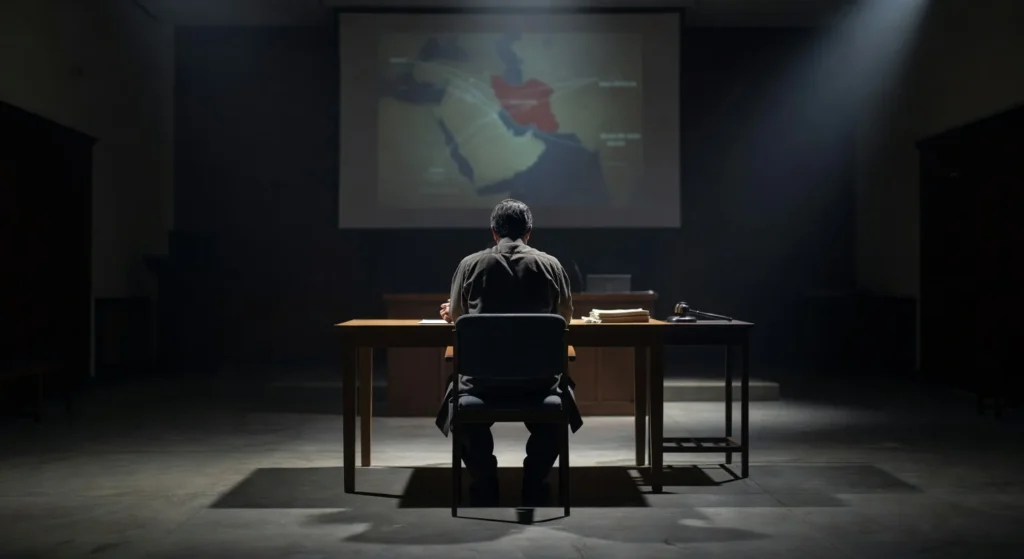
To fully grasp the implications of this case, it’s essential to examine the broader background of Iran-U.S. relations. For decades, Iran has positioned itself as a staunch adversary of the West, particularly the United States, following the 1979 Islamic Revolution that ousted the U.S.-backed Shah. This hostility has manifested in various forms, from the 1983 Beirut barracks bombing that killed 241 American servicemen to more recent cyber attacks and support for militant groups like Hezbollah and Hamas. The plot to kill Trump fits into this pattern of aggression, exacerbated by events such as the U.S. withdrawal from the Iran nuclear deal in 2018 and the targeted killing of Iranian general Qassem Soleimani in 2020. Experts argue that Iran’s leadership sees these actions as justified responses to what they view as American imperialism, but in reality, they perpetuate a cycle of violence that threatens global stability. This conviction brings to light how Iran’s state apparatus continues to export its ideological conflicts, using assassination plots as tools of asymmetric warfare.
Critics of more assertive U.S. policies toward Iran have long downplayed these threats, often labeling them as exaggerated or products of political rhetoric. However, this case exposes the naivety of such positions, revealing how ignoring Iran’s belligerence only emboldens its operatives. For years, advocates for diplomacy have argued that engagement and sanctions relief could moderate Tehran’s behavior, yet incidents like this demonstrate the limits of such approaches. The Pakistani man’s involvement illustrates the global network Iran has built, recruiting from vulnerable populations in countries like Pakistan to carry out its bidding. This pattern of aggression isn’t isolated; it’s part of a broader strategy that includes funding proxy wars in Yemen and Syria, developing nuclear capabilities, and suppressing dissent at home. By convicting this individual, U.S. authorities are not only delivering justice but also challenging the narrative that Iran can act with impunity on the world stage.
Expert analysis from the fields of international security and counter-terrorism provides further context to the gravity of this conviction. Dr. Sarah Thompson, a senior fellow at a prominent think tank specializing in Middle Eastern affairs, notes that this plot is indicative of Iran’s escalating desperation amid economic sanctions and internal unrest. “Iran’s use of assassination as a foreign policy tool is a desperate attempt to project power when conventional means are limited,” she explains. Similarly, former CIA operative Mark Ellis emphasizes the role of technology in modern plots, pointing out how encrypted apps and cryptocurrencies have enabled Iran to coordinate attacks more discreetly. These insights highlight the evolving nature of state-sponsored terrorism, where traditional espionage blends with digital warfare. Analysts warn that without sustained international pressure, including from allies in Europe and the Gulf, Iran may intensify such efforts, potentially targeting not just political leaders but also critical infrastructure.
Public reaction to the conviction has been swift and polarized, reflecting the deep divisions in American society over foreign policy. Supporters of a hardline stance against Iran, including many Republican lawmakers, have hailed the verdict as a triumph of justice and a necessary deterrent. On social media platforms, hashtags like #IranThreat and #ProtectAmerica trended following the announcement, with users sharing the original tweet by Eyal Yakoby to amplify awareness. Conversely, some progressive voices have criticized the trial as an example of overreach, arguing that it could escalate tensions and hinder diplomatic efforts. Public figures such as senators and commentators have weighed in, with one stating, “This conviction should unite us against foreign adversaries, not divide us further.” Internationally, reactions have varied; allies like Israel and Saudi Arabia have expressed solidarity with the U.S., while some European nations have called for measured responses to avoid broader conflict. The tweet’s reference to “useful idiots” resonates here, underscoring the frustration that those who minimize Iran’s threats inadvertently aid its agenda.
Beyond the immediate fallout, the long-term implications of this conviction are profound and far-reaching. It could reshape U.S. foreign policy, prompting a reevaluation of strategies to counter Iranian influence. Lawmakers may push for renewed sanctions or enhanced intelligence-sharing agreements with partners in the region, aiming to disrupt Iran’s networks before they materialize into threats. This case also sets a precedent for prosecuting individuals involved in state-sponsored plots, potentially deterring others from similar activities. On a global scale, it reinforces the message that no nation can sponsor terrorism without consequences, encouraging stronger coalitions against such behavior. However, there’s a risk of retaliation from Iran, which has a history of responding to setbacks with proxy attacks or cyber operations. As the U.S. navigates these waters, maintaining vigilance will be crucial to preventing future plots and safeguarding national security.
In conclusion, this conviction serves as a pivotal moment in the ongoing saga of U.S.-Iran relations, exposing the real dangers of unchecked foreign interference. It calls for a united front against adversaries who seek to undermine democratic institutions through violence and intimidation. By staying resolute, the United States can send a powerful message that its leaders and citizens are protected, while also working towards a more stable international order. The story of this Pakistani man’s plot, backed by Iran, is a cautionary tale that demands attention and action, ensuring that such threats are met with swift and decisive justice.