Sen. Murphy’s “Awesome” Reply To X Post on Iranian Ships Evading U.S. Blockade Ignites Fierce Backlash
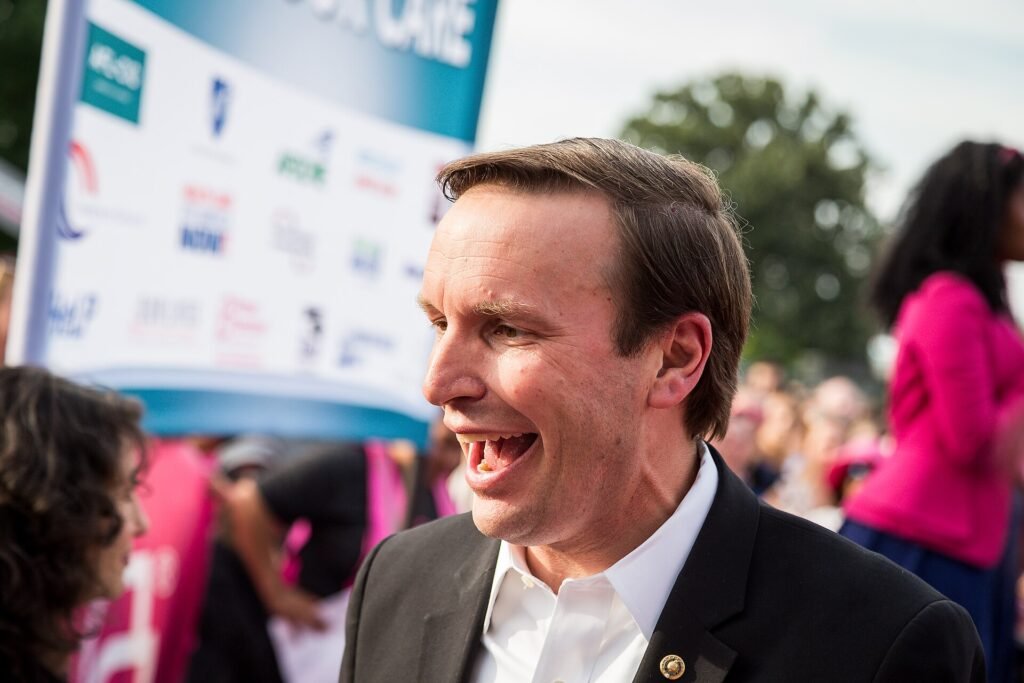
Connecticut Sen. Chris Murphy (D-Conn.) found himself at the center of a political firestorm Monday night after posting the single word “awesome” in response to a report that at least 26 vessels from Iran’s so-called “shadow fleet” had successfully bypassed the U.S. naval blockade in the Strait of Hormuz region. The remark, which Murphy later described as sarcastic, quickly drew accusations of disloyalty and drew sharp rebukes from Republicans, conservative commentators, and even some fellow Democrats who viewed it as tone-deaf at best during an active military standoff with Iran.
The post came amid a fragile and frequently violated ceasefire in the broader U.S.-Iran conflict. Last week, Iran’s foreign minister had declared the strategic waterway open to commercial traffic, only for the U.S. to impose a full blockade on Iranian shipping outside the strait shortly afterward. Iranian forces reportedly fired warning shots at foreign vessels attempting passage, and the U.S. Navy intercepted at least one Iranian-flagged cargo ship attempting to run the blockade. The shadow fleet—older tankers often used to evade sanctions by concealing ownership and destinations—has become a critical lifeline for Tehran to move oil, primarily to China, despite American pressure.

Murphy, one of the Senate’s most vocal critics of the Trump administration’s military actions against Iran, shared a post from a shipping industry account reporting the 26 vessels’ success in evading enforcement. His terse “awesome” reply was interpreted by many as celebrating Iran’s ability to undermine U.S. efforts to choke off Tehran’s revenue streams. Prominent conservative X account Libs of TikTok responded bluntly: “A sitting U.S. Senator is actively rooting for Iran. Crazy as hell. TRAITOR.” Other users piled on, with one suggesting Murphy would make “an amazing Iranian politician.”
The backlash was swift and intense. Senate Majority Leader John Cornyn and other Republicans condemned the post as shameful, arguing it undermined American service members enforcing the blockade and emboldened an adversary that has long threatened the global oil supply. Even some moderate Democrats privately expressed discomfort, though few spoke publicly. Murphy eventually clarified his intent, telling Fox News the comment was meant sarcastically to highlight what he sees as the futility and escalating risks of the Trump administration’s approach. He has consistently criticized the conflict as unnecessary escalation that harms U.S. interests and global stability.
The incident occurs against a backdrop of mounting economic pain from the Hormuz disruptions. Global energy markets remain volatile, with higher shipping insurance costs, rerouted tankers, and selective enforcement by Iran creating uncertainty for importers worldwide. The U.S. blockade aims to pressure Tehran into meaningful concessions on its nuclear program and regional proxies, but critics like Murphy argue it risks broader war, alienates allies, and drives up costs for American consumers without a clear exit strategy.

From a broader policy perspective, Murphy’s post—whether sarcastic or not—exposes the deep partisan fault lines over how the United States should confront Iran. The Trump administration has framed its actions as necessary maximum pressure to prevent nuclear breakout and deter aggression in the Gulf. Supporters point to Iran’s history of attacks on shipping, support for terrorist groups, and enrichment activities as justification for aggressive enforcement. Critics, including Murphy, contend that military measures and blockades only harden Iranian resolve, empower hard-liners in Tehran, and create unnecessary risks of miscalculation that could draw the U.S. into another prolonged Middle East conflict.
In my assessment, the episode illustrates the dangers of social media in high-stakes foreign policy debates. A one-word reply, stripped of context or tone, can be weaponized instantly in today’s polarized environment. Murphy’s clarification came roughly 16 hours later, suggesting either poor initial judgment or an underestimation of how his words would land amid active naval operations. Sarcasm rarely translates well on platforms like X, particularly on matters involving American military personnel risking confrontation in a volatile chokepoint. At the same time, legitimate policy disagreement over the wisdom of the blockade should not be conflated with disloyalty. Senators have a constitutional role in debating war powers and foreign policy, and Murphy has been consistent in his skepticism of military escalation.
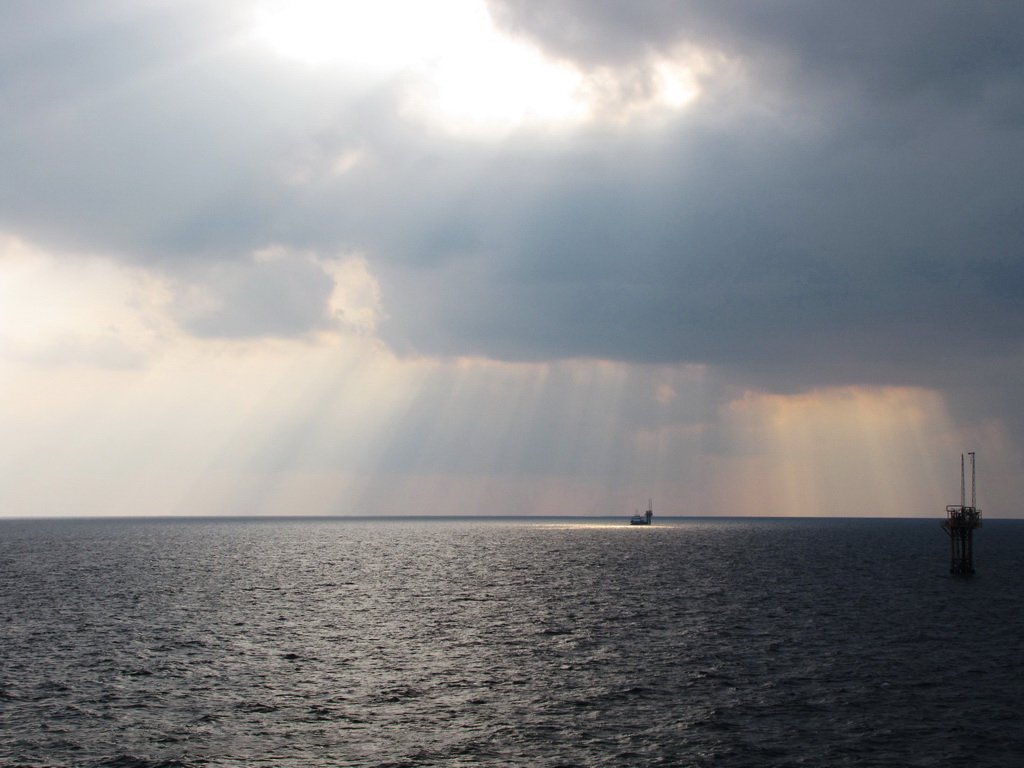
The broader context matters. The Strait of Hormuz remains one of the world’s most critical energy arteries. Any sustained disruption carries inflationary risks and strategic consequences far beyond the region. Iran’s shadow fleet tactics—re-flagging, ship-to-ship transfers, and deceptive practices—have long frustrated sanctions enforcement. Successful evasion by dozens of vessels underscores the practical limits of naval interdiction without broader international buy-in or escalation. Yet celebrating or appearing to celebrate such evasion sends a troubling signal to adversaries and allies alike about American resolve.
For Murphy, who has drawn speculation as a potential 2028 contender, the incident is a reminder that foreign policy missteps can carry domestic political costs. His strong opposition to the Iran campaign has solidified his standing with the Democratic base but risks painting him as out of step with voters concerned about national security and energy prices. Republicans will likely use the post to portray Democrats as weak on Iran and soft on adversaries.
Ultimately, the Hormuz standoff tests more than naval enforcement—it tests America’s ability to maintain strategic coherence in a dangerous world. Senator Murphy’s ill-advised post adds heat but little light to a debate that demands seriousness. Whether the ceasefire holds, whether the blockade achieves its objectives, and whether diplomacy can eventually replace confrontation will shape the region and global energy security for years to come. In the meantime, public officials on all sides would do well to weigh their words carefully when American forces are actively engaged and global markets hang in the balance.