Why Is California’s Wildlife Bridge Blowing Past $100M?
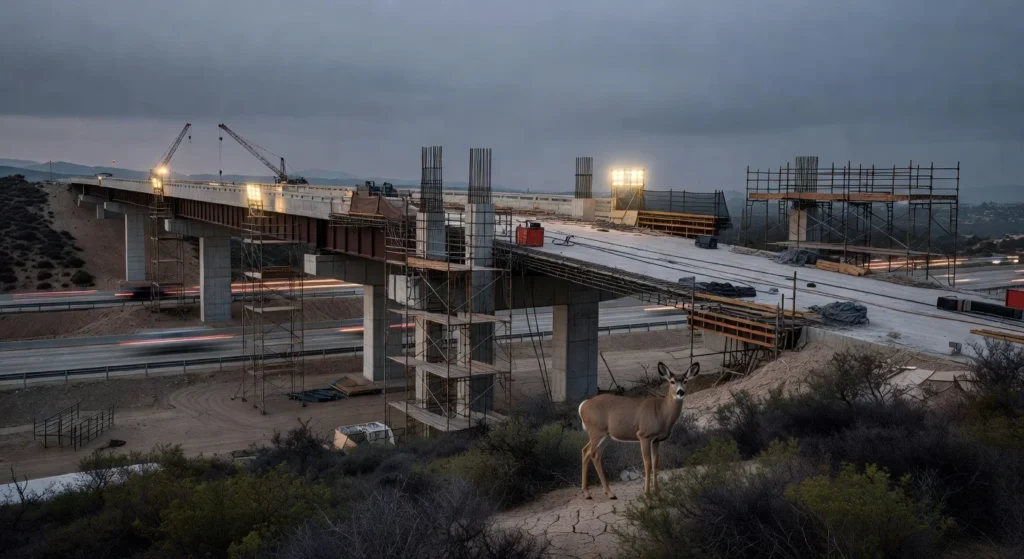
California’s ambitious Wallis Annenberg Wildlife Crossing project has blown past its budget and missed key deadlines, now topping $114 million, turning what was once a celebrated environmental initiative into a cautionary tale of escalating costs and delays. This overpass, designed to bridge a critical gap in the natural world, was meant to reconnect fragmented habitats and protect biodiversity in a rapidly urbanizing region.
Governor Gavin Newsom unveiled the initiative in 2022, positioning it as a forward-thinking solution to one of California’s most pressing ecological challenges. The 101 Freeway, a bustling artery slicing through Southern California, has long divided wildlife populations, particularly in the Santa Monica Mountains area. For decades, animals like mountain lions, deer, and even smaller creatures have faced perilous crossings, leading to high rates of vehicle collisions and genetic isolation. This project, named after philanthropist Wallis Annenberg, aims to construct an expansive overpass spanning ten lanes of the freeway, creating a safe, vegetated pathway that mimics natural terrain. Initially, officials projected a cost of $92 million, with completion targeted for 2025, relying on a blend of state funding and private donations to make it a reality.
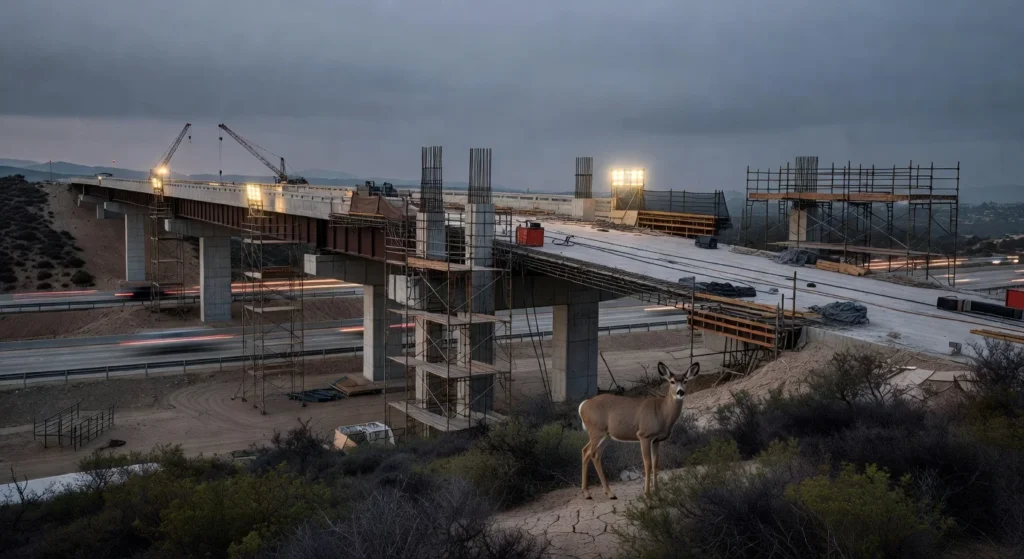
As construction progressed, however, the financial landscape shifted dramatically. Fast forward nearly four years, and the costs have surged to $114 million, driven by a perfect storm of economic pressures. Skyrocketing construction prices, fueled by global supply chain disruptions, have made materials like steel and concrete more expensive than anticipated. Stubborn inflation has eroded the value of initial budgets, while nagging labor issues—such as shortages of skilled workers and higher wages due to competitive demands in the industry—have further inflated the tally. These factors are not unique to this project; they’ve affected infrastructure developments nationwide, highlighting broader economic trends that California is grappling with.
To keep the project on track despite these hurdles, the California Transportation Commission has allocated additional funding, stepping in to bridge the gap and ensure that construction doesn’t grind to a halt. This infusion of resources underscores the state’s commitment to environmental stewardship, even as it raises questions about fiscal management. The crossing itself is an engineering marvel, featuring native plants, soil engineered for stability, and features like fencing to guide animals toward the bridge, all intended to support a wide array of species from insects and reptiles to large mammals. When completed, it could become the largest wildlife overpass in the world, potentially serving as a model for similar efforts elsewhere.
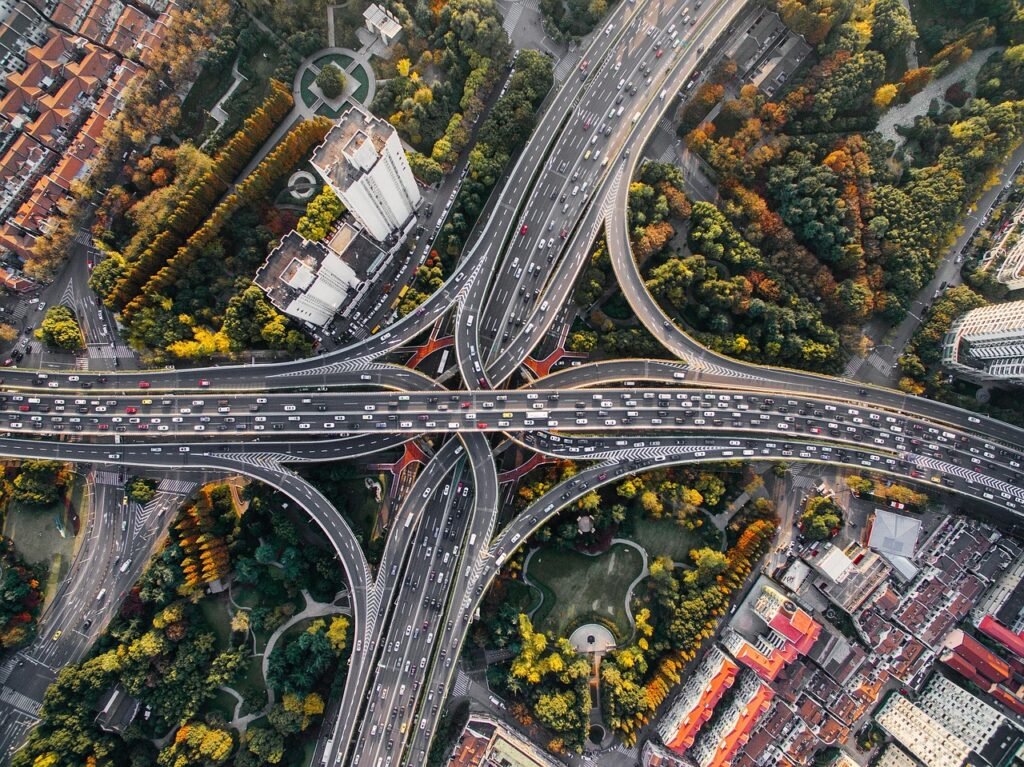
The need for such a structure stems from decades of habitat fragmentation in California. The 101 Freeway, part of a vast highway network, has acted as a barrier, isolating animal populations and contributing to declines in biodiversity. Studies have shown that mountain lions in the Santa Monica Mountains, for instance, suffer from inbreeding due to limited genetic exchange, which could lead to long-term survival issues. By providing a safe passage, the Wildlife Crossing aims to restore natural migration patterns, allowing animals to access food, mates, and wider territories. This isn’t just about preserving cute wildlife; it’s about maintaining ecological balance, which in turn benefits human communities by reducing animal-vehicle conflicts and preserving green spaces.
Looking ahead, the long-term implications of this project are profound. If successful, the Wallis Annenberg Wildlife Crossing could significantly enhance biodiversity in the region, potentially leading to healthier ecosystems and even supporting tourism and education around conservation efforts. Economically, while the overruns highlight the risks of large-scale infrastructure projects, they also demonstrate the value of investing in sustainable solutions. Reduced wildlife collisions could lower costs associated with road repairs and emergency responses, offering a potential return on investment over time. Moreover, this initiative might inspire similar bridges in other parts of California and beyond, such as in areas affected by highways cutting through national parks or wildlife corridors.
However, the delays and cost increases serve as a reminder of the challenges in executing ambitious environmental projects. With the original 2025 deadline now in jeopardy, officials are working to accelerate progress without compromising quality. The project’s evolution reflects broader trends in infrastructure development, where unforeseen economic factors can derail even the best-laid plans. Despite these setbacks, the core mission remains vital: to foster coexistence between human development and the natural world, ensuring that California’s rich biodiversity endures for future generations.
In essence, the Wallis Annenberg Wildlife Crossing represents a bold step toward reconciling urbanization with conservation. As construction continues, stakeholders are monitoring the situation closely, hoping that the final product will justify the investment and set a precedent for innovative, eco-friendly infrastructure. This project, though over budget and behind schedule, could ultimately pave the way—literally—for more integrated approaches to environmental protection in the face of growing challenges like climate change and habitat loss.
Building on this, the crossing’s design incorporates elements informed by years of research on animal behavior and movement patterns. For example, the structure will include varied landscaping to appeal to different species, with features like water sources and shaded areas to make the passage more inviting. This attention to detail is crucial, as early wildlife crossings in other parts of the world, such as in Banff National Park in Canada, have shown that well-designed overpasses can dramatically reduce animal deaths on roads. In California, where urban sprawl continues to encroach on wild areas, such innovations are essential for maintaining the state’s ecological integrity.
From a policy perspective, the project’s funding model—combining public and private sources—highlights evolving strategies for financing green infrastructure. While state funds form the backbone, private donations from entities like the Annenberg Foundation have been pivotal, demonstrating how philanthropy can amplify governmental efforts. As costs rise, this hybrid approach may need refinement to handle future uncertainties, ensuring that environmental projects remain viable amid economic fluctuations.
Ultimately, the overruns on the Wildlife Crossing underscore the importance of adaptive planning in large-scale endeavors. By addressing these challenges head-on, California is not only building a bridge for animals but also forging paths for more resilient and sustainable development practices across the state.