New Jersey Woman Released from ICE Detention After Over a Year
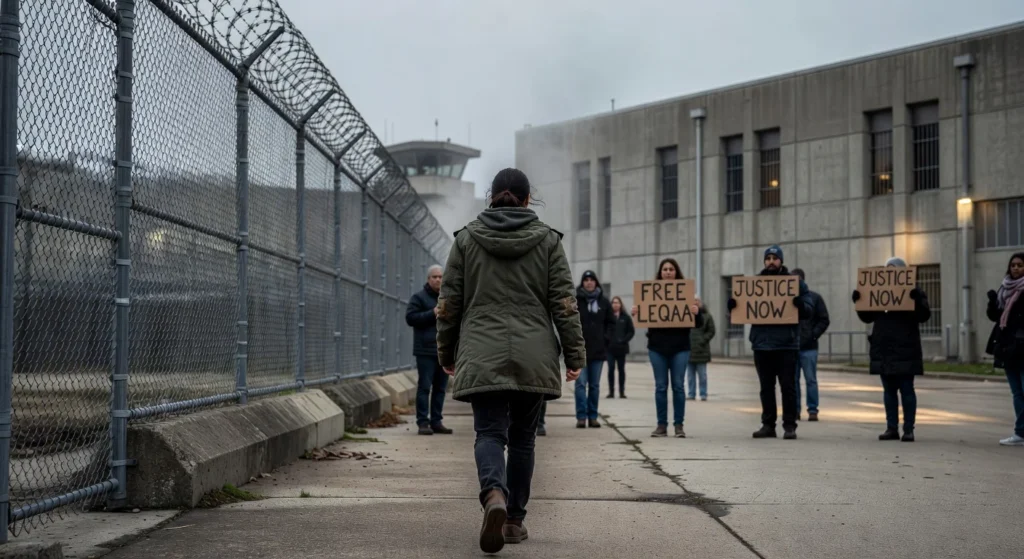
A New Jersey woman walked free from a federal detention center in Texas this week, marking the end of a detention that stretched over more than a year. Her release came as a significant development in a case that had drawn attention to the complexities of federal immigration enforcement and the rights of individuals involved in political activism. According to reports, she was held at the facility operated by U.S. Immigration and Customs Enforcement (ICE), an agency responsible for detaining individuals suspected of immigration violations, among other duties. This woman’s ordeal began following her participation in pro-Palestinian demonstrations, but despite the prolonged detention, no formal charges were ever brought against her, raising questions about the criteria and processes governing such holds.
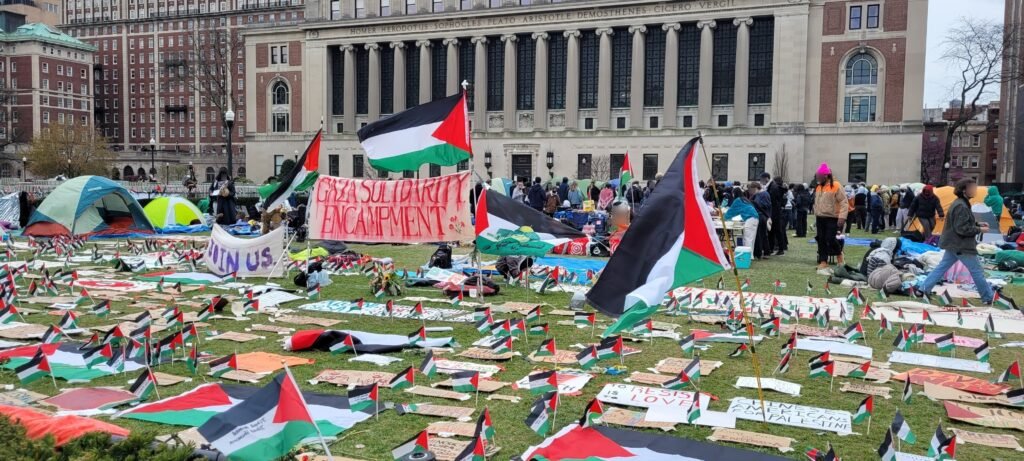
The demonstrations at Columbia University in 2024 were part of a larger wave of campus protests across the United States, sparked by escalating tensions in the Middle East. These events saw students and activists gathering to voice opposition to certain policies and actions related to the Israeli-Palestinian conflict. At Columbia, a prestigious Ivy League institution in New York City, the protests involved rallies, encampments, and calls for divestment from entities linked to the conflict. While many participants engaged in peaceful assembly, some gatherings led to confrontations with law enforcement, resulting in arrests and subsequent legal proceedings. In this context, the New Jersey woman, like others, found herself entangled in the aftermath, though the specifics of how she was transferred to ICE custody remain tied to broader immigration enforcement actions.
ICE detention centers, such as the one in Texas where she was held, are facilities designed to house individuals awaiting immigration hearings, deportation, or other related processes. These centers have been a focal point in discussions about human rights, with critics arguing that they often result in prolonged detentions without clear paths to resolution. In the United States, immigration law allows for detention without criminal charges if there are concerns about flight risk or threats to national security. However, cases like this one underscore the potential for overlap between civil protests and immigration status, particularly for individuals who may not be U.S. citizens. The woman’s detention, spanning more than a year, exemplifies how administrative holds can extend far beyond initial expectations, affecting personal lives and families in profound ways.
Throughout her time in detention, the woman likely faced the challenges common to such facilities, including restricted access to legal counsel, limited family visits, and the psychological strain of uncertainty. Federal detention centers vary in conditions, but reports from various sources have highlighted issues such as overcrowding, inadequate medical care, and isolation from support networks. Her case, while individual, reflects a pattern observed in immigration enforcement, where individuals caught in the system may wait months or years for resolution. The lack of charges against her suggests that her detention may have been based on administrative decisions rather than criminal allegations, a distinction that can blur the lines between civil and criminal justice systems.
The release on March 16, 2026, followed what appears to be a review of her case, possibly influenced by advocacy efforts or changes in policy. Such releases can occur when authorities determine that continued detention is no longer necessary, perhaps due to shifts in priorities or legal assessments. This development brings a measure of relief to the woman and her supporters, allowing her to return to her life in New Jersey. However, the experience likely leaves lasting impacts, including potential difficulties in rebuilding routines, addressing health concerns, and navigating the stigma associated with detention.
This case highlights ongoing debates over federal detention practices, particularly in the realm of immigration and civil liberties. In recent years, there has been increased scrutiny of how protests and activism intersect with enforcement actions. For instance, historical precedents show that participants in social movements, from civil rights marches to anti-war demonstrations, have sometimes faced detention or surveillance. The woman’s situation echoes broader concerns about the balance between national security and individual rights, especially under laws that permit detention without trial in certain circumstances. Critics of current practices argue for reforms that emphasize due process, transparency, and alternatives to detention, such as community-based supervision, to prevent unwarranted prolonged holds.
Looking at the long-term implications, this release could contribute to evolving discussions on protest rights in the United States. As activism continues on college campuses and beyond, cases like this may prompt policymakers to examine how federal agencies respond to demonstrators, particularly those from immigrant backgrounds. There is potential for this incident to inform future legislation or court decisions regarding the protections afforded to protesters and the limits of administrative detention. Moreover, it underscores the human cost of such policies, emphasizing the need for accountability and oversight in how individuals are detained and released. While her story concludes with freedom, it serves as a reminder of the vulnerabilities within the system and the importance of safeguarding civil liberties amid political unrest.
Furthermore, the context of 2024’s protests at Columbia University provides a backdrop for understanding the broader environment that led to her detention. That year, the university and similar institutions grappled with managing large-scale demonstrations, balancing free speech with campus safety. Official responses included police interventions and arrests, which in turn fed into federal databases and enforcement actions. This interconnected web of local and federal responses highlights how a single act of protest can escalate into significant personal consequences. As society reflects on these events, the woman’s release might encourage a reevaluation of strategies for handling dissent, aiming for approaches that respect constitutional rights while maintaining order.
In conclusion, the release of the New Jersey woman from ICE detention after over a year represents not just an end to her personal struggle, but also a point of reflection on systemic issues within U.S. immigration and justice frameworks. It brings closure to a lengthy ordeal, yet it opens avenues for ongoing dialogue about the protections needed for those exercising their right to protest. As debates continue, this case stands as a testament to the enduring tensions between security measures and individual freedoms in a democratic society.