Gulf Tensions Escalate with Trump-Era Deadline Approaching
AI-generated context summary requested by a Free News Reader user. Sourced via Gemini from publicly available information — no paywalled content was accessed.
You hit a paywall. Here’s the context on this topic based on publicly available information. We did not access any paywalled content. View original article.
Gulf Tensions Escalate with Trump-Era Deadline Approaching
- The Strait of Hormuz, a vital waterway, accounts for about 20-30% of global oil shipments, making any disruptions a major risk to international energy markets.
- During Donald Trump's presidency from 2017 to 2021, US-Iran relations deteriorated, including the 2018 withdrawal from the Iran nuclear deal and subsequent military incidents in the region.
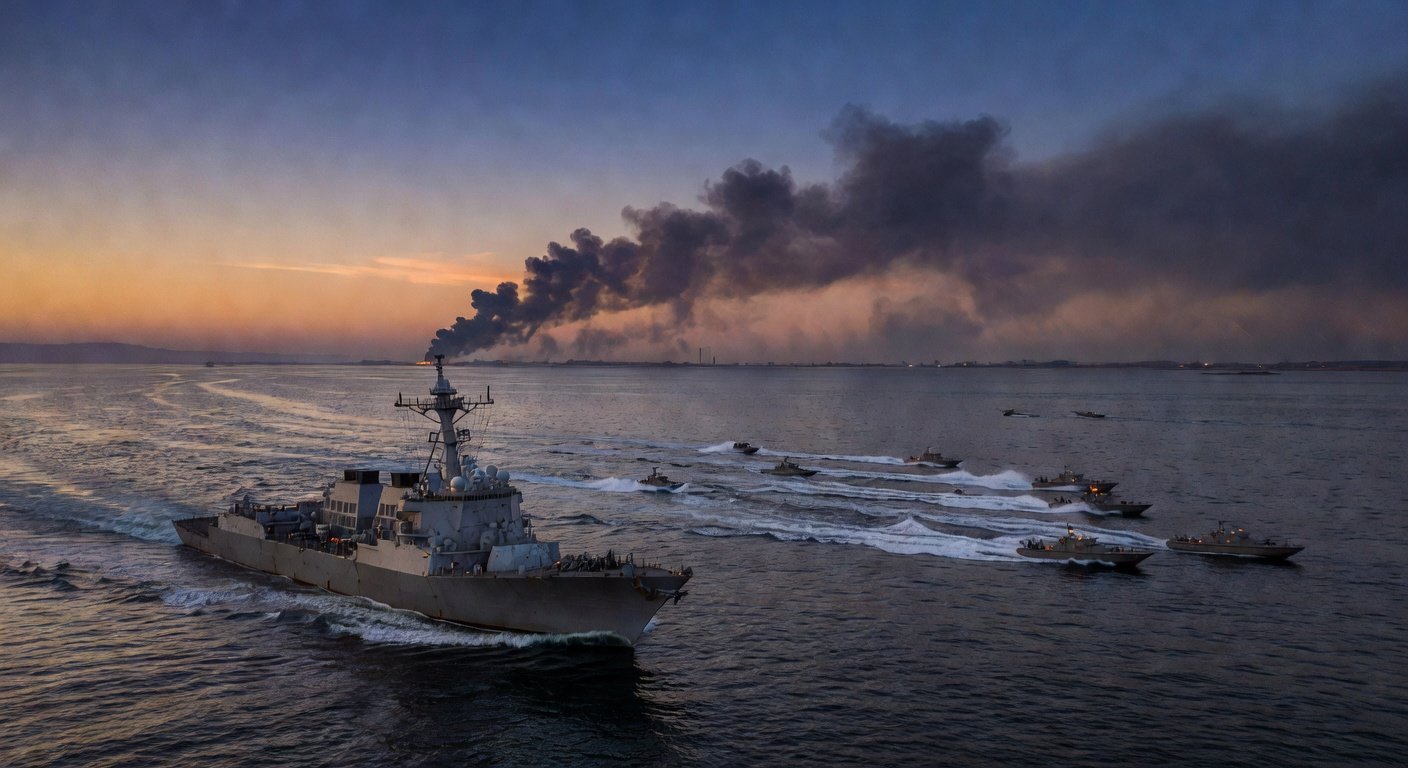
Gulf Strikes Intensify as Trump's Hormuz Deadline Nears · Image: Grok AI
Full Summary — powered by AI
Tensions in the Gulf region have been escalating in recent years, with reports of intensified strikes and military activities drawing global attention. The Strait of Hormuz, a narrow waterway between Iran and Oman, has long been a flashpoint due to its critical role in transporting oil from the Middle East to the rest of the world. This latest surge in activities is linked to deadlines and policies from the era of former US President Donald Trump, who adopted a hardline stance against Iran. Key events include increased naval patrols and accusations of sabotage, highlighting the fragile balance of power in the area.
Historically, the region has seen repeated conflicts involving Iran, the United States, and Gulf Arab states, often centered on oil security and nuclear ambitions. In 2019, for instance, there were attacks on oil tankers and a US drone incident, which prompted retaliatory measures and sanctions. These developments underscore the broader geopolitical stakes, including potential spikes in global oil prices and risks to international trade routes. As deadlines from past US policies loom, the situation remains volatile, affecting not only regional stability but also economies worldwide, as any escalation could disrupt energy supplies and influence diplomatic relations between major powers.
The ongoing dynamics emphasize the need for diplomatic efforts to de-escalate, given the Strait’s importance to global energy security. With millions of barrels of oil passing through daily, the implications extend beyond borders, potentially impacting inflation, consumer costs, and international alliances.
Read More (Free Sources)
- Iran threatens to ‘completely’ close Strait of Hormuz and hit power plants after Trump ultimatum — AP News
- Gulf shares fall on growing US-Iran tensions; Egypt extends loss — Reuters
- A timeline of tensions over Iran's nuclear program as talks with U.S. approach — PBS