Feeding Our Future Fraud: Light Sentence for Minnesota Defendant Highlights Challenges in Holding Pandemic Aid Thieves Accountable
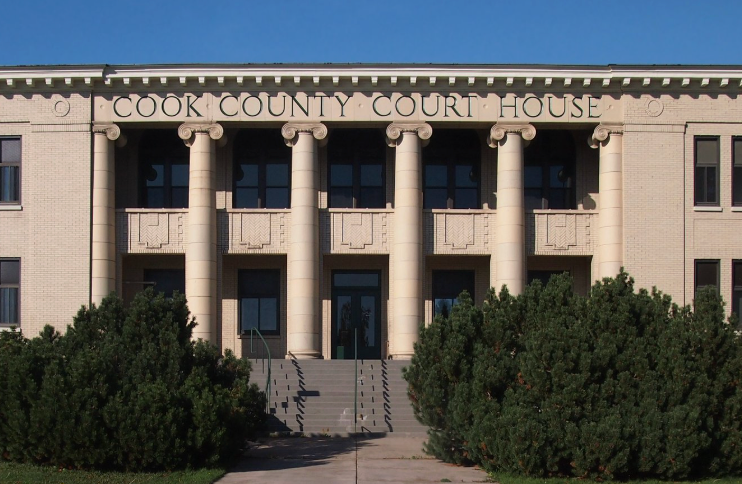
In a federal courtroom in Minneapolis on Monday, U.S. District Judge Nancy Brasel sentenced Abdul Abubakar Ali to one year and one day in prison for his role in the sprawling Feeding Our Future scandal, one of the largest COVID-19 relief fraud cases in U.S. history. The penalty, which includes restitution already paid in the amount of $92,500, represents a significant downward departure from federal sentencing guidelines that had called for 30 to 37 months. Ali is scheduled to report to prison on June 2.
Ali, who pleaded guilty in October 2022 to one count of conspiracy to commit wire fraud, used his nonprofit, Youth Investors Lab, to siphon federal child nutrition funds. Prosecutors said he claimed to have served roughly 1.5 million meals through a sponsorship arrangement with Feeding Our Future, all provided by S & S Catering. In reality, no meals were ever served. The scheme involved fabricating meal counts entirely rather than merely inflating legitimate figures. Ali also recruited a friend to participate, a factor Judge Brasel cited as particularly aggravating.
While both prosecutors and defense attorneys had advocated for probation—citing Ali’s early cooperation, acceptance of responsibility, and partial restitution—Judge Brasel rejected that request. “Public trust in government programs has been undermined” by the broader fraud, she stated in court, underscoring the corrosive effect of such schemes on confidence in public institutions. The judge determined that Ali’s conduct was too serious for a non-custodial sentence, even as she granted leniency relative to the guidelines.
The Feeding Our Future case stands as a cautionary tale of how emergency relief programs, designed with noble intentions and expedited processes during the pandemic, became vulnerable to massive exploitation. The nonprofit, ostensibly dedicated to feeding children in Minnesota’s Somali-American community and beyond, funneled more than $250 million in federal funds intended for meals into the pockets of conspirators through sham organizations, inflated or fictitious meal claims, and kickbacks. Dozens of defendants have been charged, with 57 having entered guilty pleas as of late March 2026 and several others convicted after trial. A handful, including ringleader figures, face or have received much harsher penalties, such as the 10-year sentence and nearly $48 million in restitution imposed on Abdimajid Mohamed Nur in late 2025.
Ali’s sentence, while not trivial, stands in contrast to those more central players. His early guilty plea and provision of valuable information to investigators earned him credit, illustrating the prosecutorial strategy of using cooperating witnesses to build cases against higher-level participants. Yet the relatively modest term—effectively allowing for potential transition to a halfway house after good behavior—raises legitimate questions about deterrence and equity in white-collar fraud prosecutions tied to public welfare programs.
From a policy perspective, the entire scandal exposes deep flaws in oversight of federal nutrition assistance during crises. The U.S. Department of Agriculture’s Child Nutrition Programs, expanded rapidly under pandemic waivers to address food insecurity, relied heavily on self-certification and minimal upfront verification. In Minnesota, this created an environment where a small network could establish shell nonprofits, submit wildly inflated reimbursement claims, and launder proceeds with relative ease. Billions in similar emergency funds flowed nationwide; Feeding Our Future was simply the most audacious and well-documented example of abuse.
Critics of expansive government relief efforts will see this as predictable government failure: when speed trumps safeguards, fraudsters inevitably rush in. Defenders of the programs counter that the vast majority of funds reached intended recipients and that strict pre-pandemic rules would have left vulnerable children hungry. Both sides have a point, but the Minnesota case tilts the scales toward the need for better post-disbursement auditing, cross-checking of claims against actual service delivery, and swift prosecution when red flags emerge.
Ali’s recruitment of others and outright fabrication of data distinguish his conduct from mere opportunism. Yet the downward departure from guidelines, combined with the government’s own push for probation, suggests prosecutors viewed his cooperation as more valuable than maximum punishment. This pragmatic approach is common in complex conspiracies, where flipping lower-level participants helps dismantle the network. Still, it risks sending a mixed message: steal from a pandemic relief program, cooperate after getting caught, and walk away with little more than a year behind bars plus partial repayment—while taxpayers absorb the remaining losses.
The broader Feeding Our Future prosecutions continue, with additional guilty pleas entered as recently as this month and the sentencing of key figures like Aimee Bock, described by prosecutors as a central architect, still pending. Each new resolution chips away at the case but also prolongs public attention on the scandal. For Minnesotans, the episode has damaged faith not only in specific nonprofits but in the integrity of charitable and government aid systems that serve immigrant and low-income communities.
In my view, sentences like Ali’s, while legally justified by mitigating factors, underscore a systemic leniency in many fraud cases involving public funds. One year and a day for helping orchestrate claims of 1.5 million phantom meals feels light when measured against the societal harm: diverted resources that could have fed actual children, eroded trust in institutions, and billions in taxpayer exposure across similar schemes. Deterrence requires that the expected cost of fraud—probability of detection times severity of punishment—exceeds the potential gains. High-profile cases with modest outcomes risk undermining that calculus.
Longer term, the scandal should prompt Congress and agencies to reform emergency assistance frameworks. Tighter real-time verification, mandatory third-party audits for large claims, and clawback mechanisms with interest could reduce future vulnerabilities without sacrificing the ability to respond swiftly to crises. Technology, including data analytics to flag anomalous meal counts or mismatched vendor activity, offers promising tools that were underutilized here.
Ali reportedly expressed remorse and a desire to make amends. Judge Brasel’s decision balances accountability with recognition of his cooperation. Yet true accountability extends beyond individual sentences to fixing the structural weaknesses that made such a brazen $250 million heist possible. Until policymakers address those root issues, the public’s trust—already strained—will remain fragile, and future emergencies will invite similar opportunism.
The Feeding Our Future case is not merely a Minnesota story. It is a national warning about the perils of large-scale, loosely supervised government spending. As the final chapters of this prosecution unfold, lawmakers would do well to extract lessons rather than simply tally convictions and restitution dollars. The real test will be whether the system learns enough to prevent the next multimillion-dollar meal fraud when the next crisis hits.