President Trump Recounts Hearing The “Bizarre” Radio Message From The Downed American Pilot In Iran
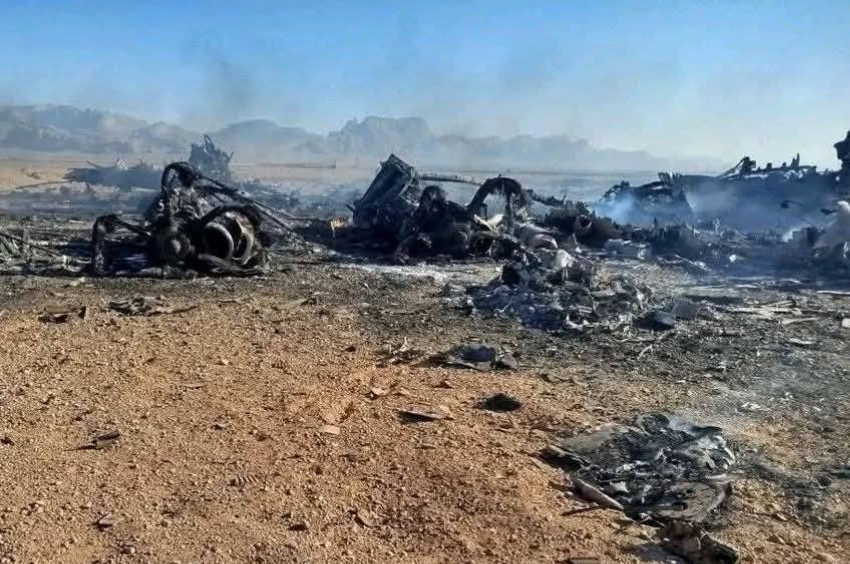
Donald Trump is shedding new light on a high-risk rescue mission in Iran, revealing that a brief radio transmission from a stranded American pilot raised alarms inside the White House and sparked fears of a potential ambush.
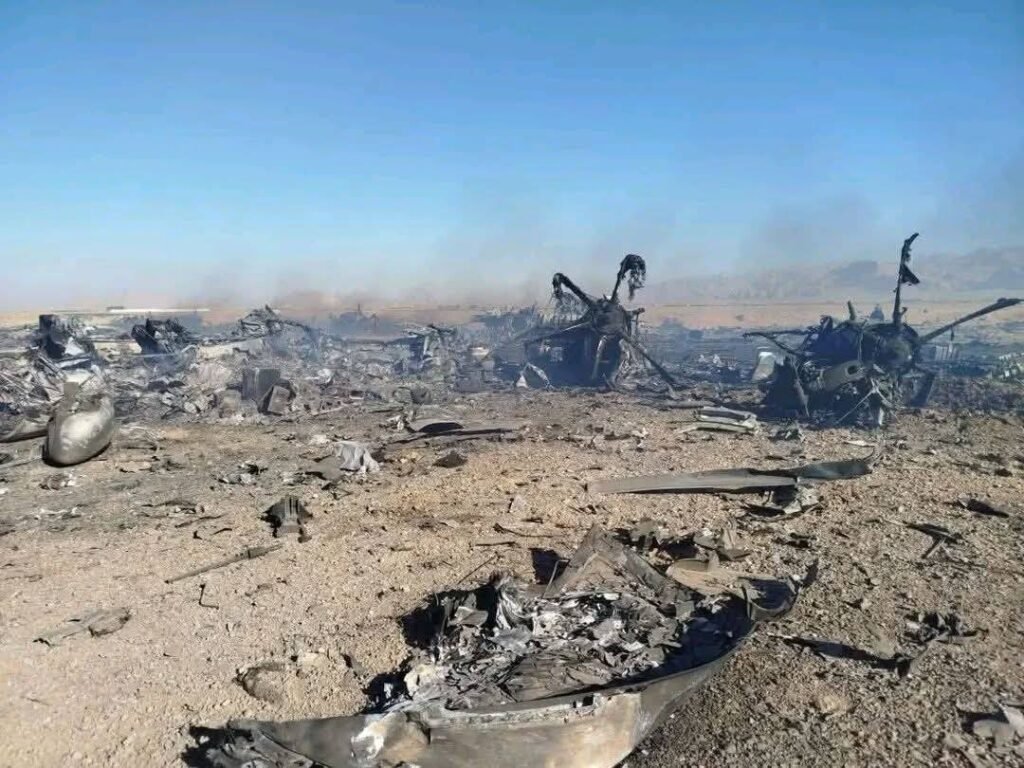
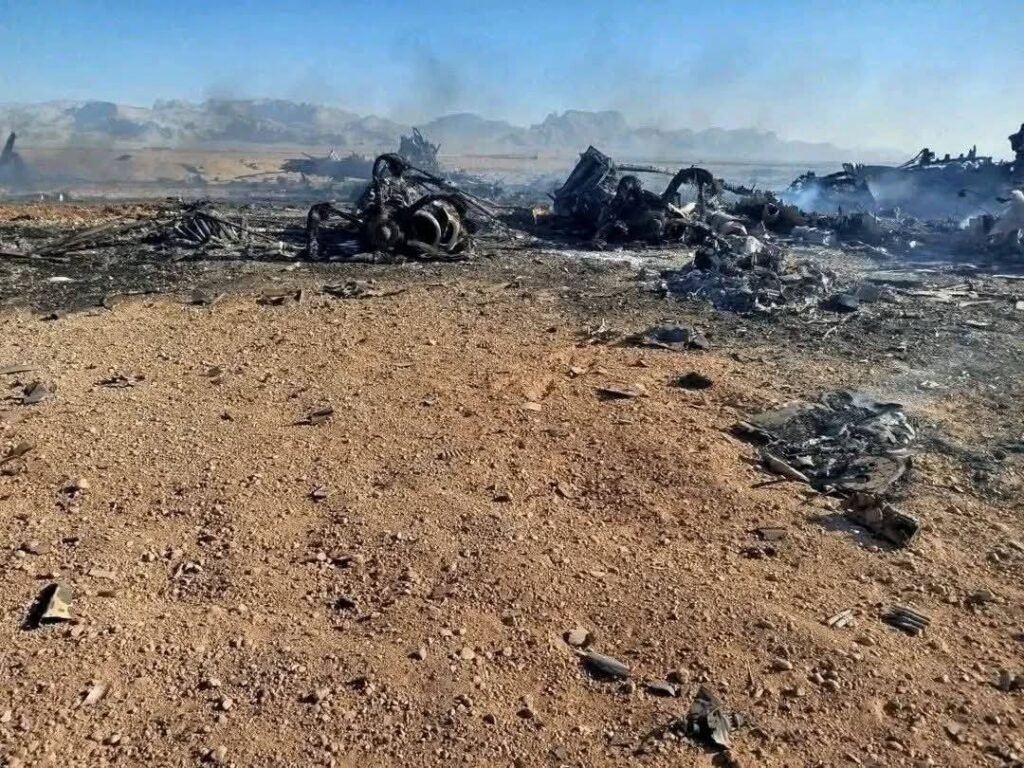
The incident began after Iranian state outlets claimed a U.S. fighter jet had been brought down over the country’s Khuzestan region earlier this month. According to reports, one crew member from the F-15 fighter jet managed to eject safely and was quickly recovered. The second airman, however, remained unaccounted for—left isolated in hostile terrain for nearly 48 hours with only a sidearm for protection.
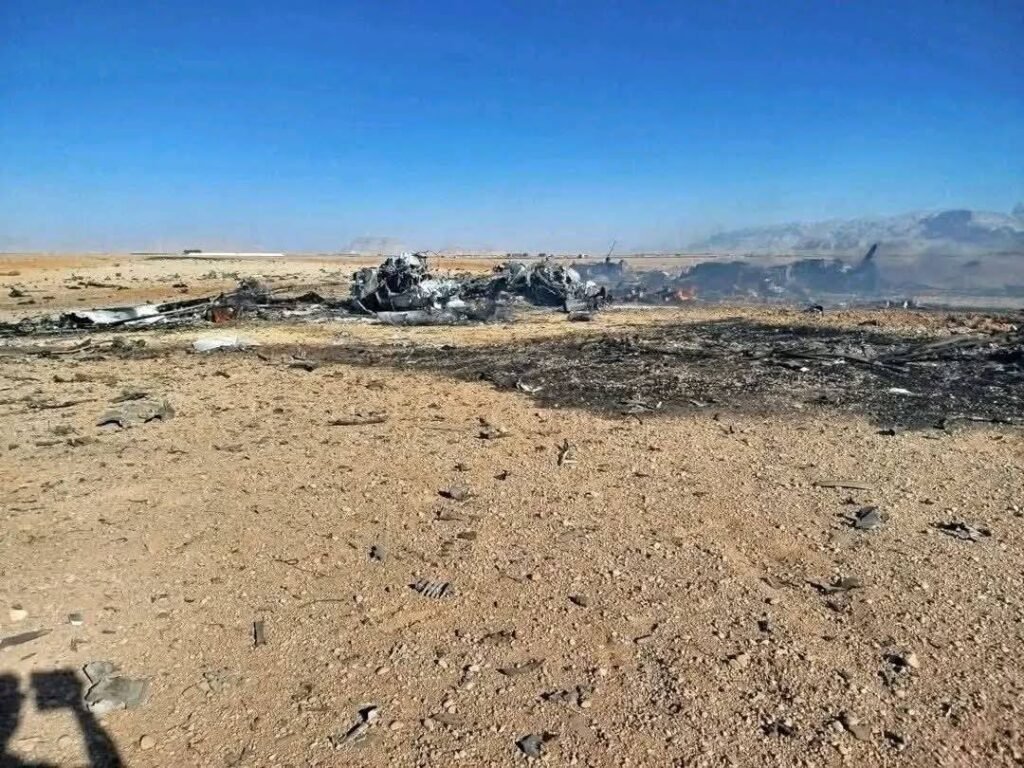
During that time, Iranian forces reportedly intensified their search, with claims emerging that a financial reward had been offered for his capture. U.S. officials monitored the situation closely as the downed pilot navigated mountainous terrain, relying on limited resources while American surveillance drones circled overhead to track movement on the ground.
The situation took a concerning turn when the pilot transmitted a short message after ejecting. According to Trump, the phrase he used raised red flags among U.S. officials, who worried it could have been a signal manipulated or intercepted by Iranian forces. The concern, he explained, was that adversaries might attempt to lure American troops into a dangerous setup under the guise of a rescue operation.
Ultimately, those fears proved unfounded. Trump later clarified that individuals familiar with the pilot said the message aligned with his personal religious beliefs, easing concerns that the transmission had been compromised.
Despite the uncertainty, the U.S. military moved forward with what Trump described as an exceptionally complex recovery effort. Using advanced tracking technology, officials were able to pinpoint the pilot’s location with remarkable precision. The rescue operation, carried out under intense pressure, required coordination across multiple units and constant monitoring of enemy movements in the area.
In a statement posted to Truth Social, Trump praised the mission as one of the most daring in recent memory, announcing that the missing airman had been successfully recovered. “We got him,” the president declared, emphasizing the bravery of both the stranded pilot and the forces tasked with bringing him home.
The rescued service member, identified only as a senior officer, was found injured but alive in a remote mountainous area. He was later transported out of Iran and taken to a U.S.-allied location for medical evaluation and treatment.
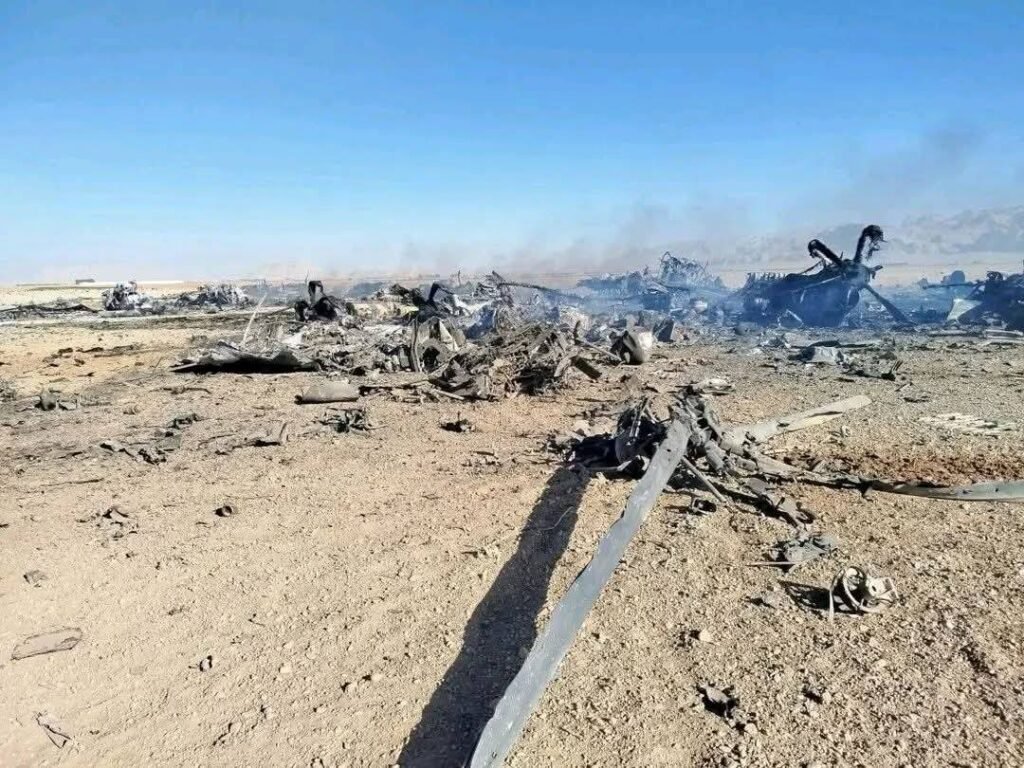
Trump described the pilot’s ordeal as a test of endurance, noting that he had been pursued by enemy forces while awaiting extraction. At the same time, U.S. leadership and military personnel were tracking his position around the clock, working to ensure the safest possible recovery.
The dramatic episode underscores both the risks faced by American service members operating in volatile regions and the complexities involved in modern rescue missions. It also highlights how quickly uncertainty—and even a single phrase—can influence strategic decisions when lives are on the line.
Sources: Unilad