Chinese Researcher Sentenced for Smuggling E. coli DNA into U.S., Raising Fresh Concerns Over Biosecurity and Academic Exchanges
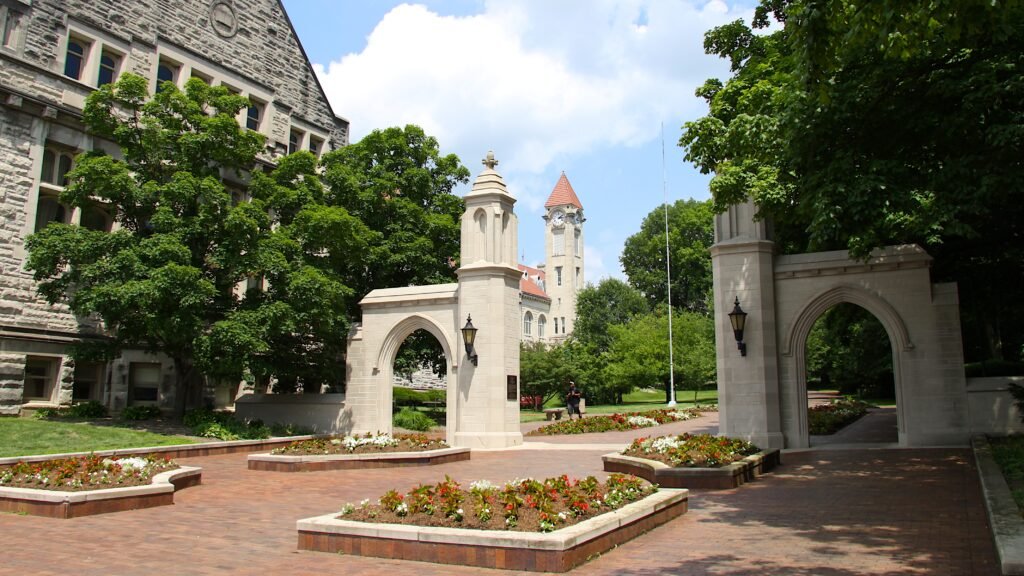
A former postdoctoral researcher at Indiana University Bloomington was sentenced last week to more than four months in federal prison and immediate deportation after pleading guilty to smuggling biological materials—specifically plasmid DNA from E. coli bacteria—from China into the United States. The case, prosecuted by the U.S. Attorney’s Office for the Southern District of Indiana, highlights persistent vulnerabilities in the nation’s biosecurity framework and the challenges of overseeing international scientific collaboration amid heightened geopolitical tensions.
Youhuang Xiang, a 32-year-old Chinese national who earned his Ph.D. from the Chinese Academy of Sciences, arrived in the United States in June 2023 on a J-1 visa to conduct biology research at IU’s flagship campus. In March 2024, he received a package at his Bloomington residence shipped from Guangzhou Sci-Tech Innovation Trading, a company with ties to scientific and technological fields. The shipping manifest falsely declared the contents as “Underwear of Man-Made Fibers, Other Womens”—a description authorities found suspicious given the sender’s profile.

An FBI investigation launched in November 2025 into suspicious shipments from China to individuals affiliated with Indiana University uncovered the mislabeled package. On November 23, 2025, while returning from a research trip in the United Kingdom, Xiang was interviewed by U.S. Customs and Border Protection officers at Chicago’s O’Hare International Airport. He initially denied knowledge of any smuggling but later admitted the manifest had been intentionally falsified to conceal samples of E. coli plasmid DNA, a non-living genetic material commonly used in laboratory research to study and replicate genes.
Xiang pleaded guilty to one count of smuggling biologic materials and was sentenced April 7, 2026, to four months and one day in prison, a $500 fine, and one year of supervised release. As part of the plea agreement, he faces immediate removal from the United States under a judicial deportation order. During the sentencing hearing, additional details emerged: Xiang is a member of the Chinese Communist Party and had lied about this affiliation when questioned by immigration authorities.
U.S. Attorney Tom Wheeler emphasized the seriousness of the offense. “Xiang intentionally exploited his access to laboratory facilities at one of Indiana’s flagship research universities,” Wheeler said in a statement. “Such conduct poses a very serious threat to public safety and to the health of our agricultural economy.” FBI Indianapolis Special Agent in Charge Timothy J. O’Malley echoed that concern: “Those who attempt to secretly bring biological materials into the United States are taking a serious risk with public safety.”
E. coli itself is a common bacterium, and many laboratory strains are harmless tools for genetic research. Plasmid DNA derived from it is routinely used in molecular biology worldwide. Yet U.S. customs and biosecurity regulations strictly control the import of biological materials to prevent the accidental or intentional introduction of pathogens that could harm humans, livestock, or crops. Even non-pathogenic strains require proper declarations and permits; deliberate concealment bypasses screening that protects against contamination, accidental release, or misuse.
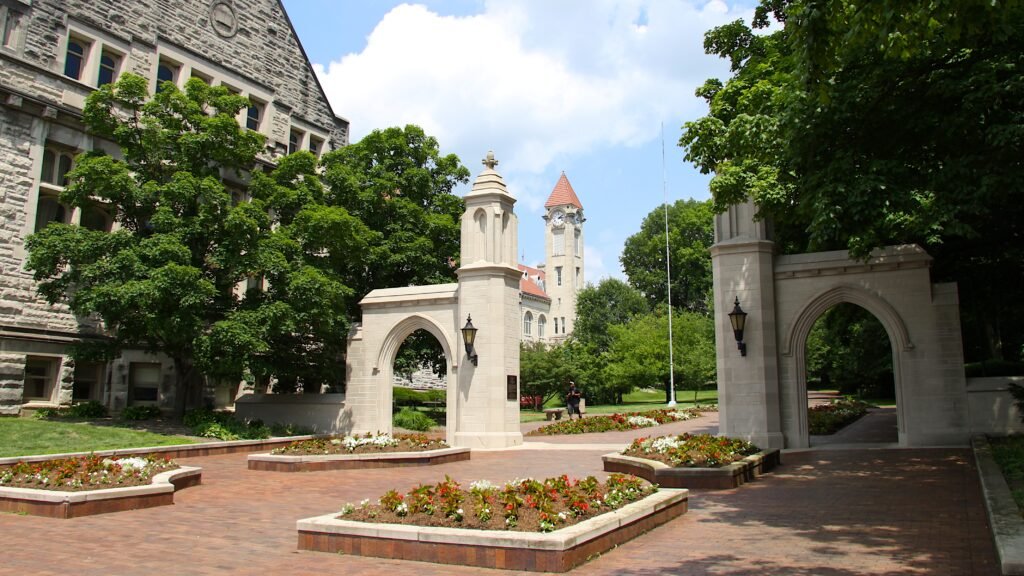

The case unfolds against a backdrop of growing U.S. scrutiny over research ties with China. Federal agencies have intensified efforts to counter espionage, technology transfer, and biosecurity risks through programs such as the Department of Justice’s China Initiative (later restructured) and enhanced screening of foreign researchers. Universities, including IU, host thousands of Chinese students and scholars in sensitive STEM fields, creating opportunities for legitimate collaboration but also potential vectors for illicit activity.
From a policy perspective, this incident reveals gaps in the current system. J-1 exchange visas, designed to foster international scientific exchange, rely heavily on self-reporting and post-arrival oversight. Packages entering via standard mail or courier services can evade rigorous inspection unless flagged by intelligence. The mislabeling tactic—hiding scientific material in consumer goods—is a known evasion method that exploits volume and limited resources at ports of entry.
In my view, while the sentence imposed on Xiang appears relatively light given the potential stakes, it sends an important signal. Prosecutors secured a guilty plea and swift deportation, avoiding a protracted trial while removing the individual from the U.S. research ecosystem. Yet the modest penalty—roughly time served plus a nominal fine—risks undercutting deterrence. When researchers with access to university labs deliberately circumvent import controls, even for ostensibly benign genetic material, it erodes confidence in the integrity of academic institutions and invites stricter, more burdensome oversight that could chill legitimate international partnerships.
Broader national-security implications extend beyond this single researcher. E. coli plasmid DNA, while not a select agent on its own, can serve as a building block for synthetic biology, gene editing, or the study of antibiotic resistance—areas with dual-use potential. Agricultural threats are particularly salient: certain E. coli strains or related pathogens could affect livestock or food safety if mishandled. U.S. officials have repeatedly warned that China’s military-civil fusion strategy blurs lines between civilian research and state-directed technology acquisition, including in biotechnology.
Indiana University has not publicly commented in detail on the case, but the episode is likely prompting internal reviews of foreign researcher vetting, lab access protocols, and material transfer agreements. American universities face a difficult balancing act: remaining open to global talent while safeguarding against exploitation. Federal funding agencies and Congress have pushed for greater transparency in foreign gifts, contracts, and affiliations—measures that, if properly implemented, could reduce risks without isolating U.S. science.
The case also underscores the human element. Xiang exploited the trust placed in him as a visiting scholar. His membership in the Chinese Communist Party and initial denials during questioning suggest a calculated effort to evade detection. Yet the materials involved were not identified as highly dangerous pathogens, distinguishing this from more alarming bioweapons-related incidents. The outcome—deportation rather than long-term incarceration—reflects prosecutors’ assessment that the threat, while serious, did not rise to the level of espionage or intentional harm.
As biotechnology advances rapidly, with tools like CRISPR and synthetic biology becoming more accessible, biosecurity cannot remain an afterthought. Strengthening customs screening for biological shipments, expanding interagency coordination between the FBI, CBP, and academic institutions, and refining visa screening for researchers in sensitive fields are logical next steps. At the same time, overreaction risks damaging America’s competitive edge in science, where international talent has long been a strength.
Youhuang Xiang’s smuggling attempt ended with a short prison term, a fine, and a one-way ticket back to China. For U.S. authorities and universities, the real work lies in learning from the breach to prevent the next one. In an era of strategic competition with China, protecting the biological commons is not merely a regulatory matter—it is a national security imperative that demands vigilance without sacrificing the openness that fuels innovation.