Americans Exposed to Hantavirus on Cruise Ship May Finish Quarantine at Home — A Careful Balance Between Caution and Compassion
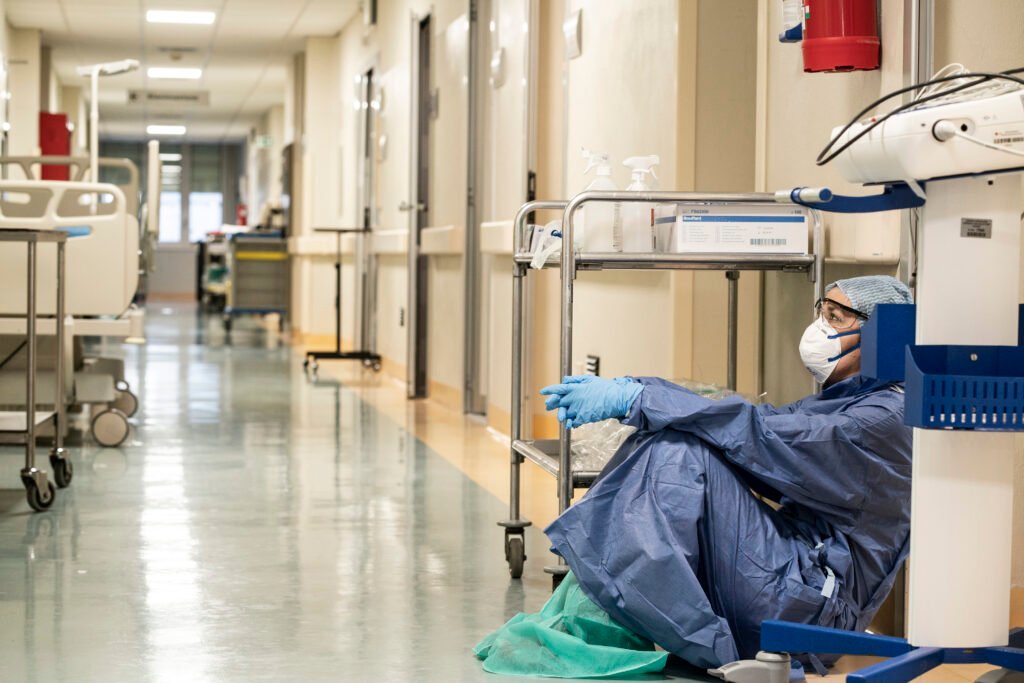
In a story that feels ripped from a medical thriller, 18 Americans who may have been exposed to hantavirus aboard a cruise ship have returned to the U.S. and are now under close watch. The twist? Health officials say many of them could soon complete their 42-day monitoring period from the comfort of their own homes — provided they meet strict safety criteria.
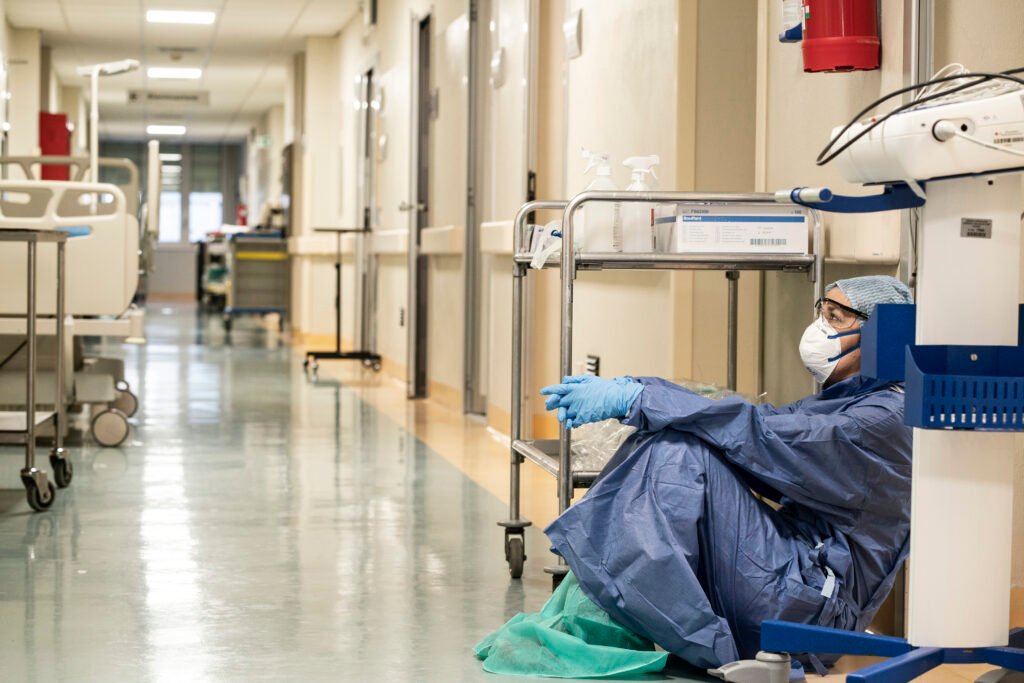
The passengers were flown back after the outbreak was identified on the ship, which had been docked in Spain’s Canary Islands. Sixteen landed in Omaha, Nebraska, at the nation’s only federally funded National Quarantine Unit, where one person tested mildly positive and is in a more secure biocontainment setup. Two others, including a couple with mild symptoms, headed to a hospital in Atlanta. Seven more U.S. passengers had already returned earlier and are being monitored locally.
Hantavirus (specifically the pulmonary syndrome version) is no joke — it’s a serious respiratory illness often spread through contact with rodent droppings, urine, or saliva. It doesn’t spread easily person-to-person like COVID, which is why officials are emphasizing measured, individualized responses rather than blanket lockdowns. Still, with no targeted treatments or widely available vaccines, caution is the name of the game.
The good news? Most of the passengers in Omaha are currently asymptomatic and “in good shape,” according to medical staff. CDC officials, including Captain Brendan Jackson, are preparing “individualized decision plans.” If they stay symptom-free and can properly isolate at home — separate living space, reliable contact with health departments, quick access to care if symptoms pop up — they might wrap up their quarantine back in their home states.
This flexible approach feels like a smart evolution from heavier-handed pandemic-era rules. Officials are stressing the “least restrictive” care possible while still protecting public health. Escorted transport, clear home-isolation guidelines, and ongoing check-ins are all part of the plan. As one expert put it, staying at the high-tech Nebraska facility might still be the safest bet if symptoms emerge, but not everyone needs or wants that level of isolation for weeks on end.
It’s a reminder of how global travel can still carry hidden risks, even in 2026. Rodent issues on ships aren’t new, but this incident has put hantavirus back in the spotlight. For the passengers — many probably just looking for a relaxing vacation — it’s turned into an unexpected public health saga.
On the brighter side, the fact that we have specialized quarantine facilities and thoughtful protocols shows lessons learned from past outbreaks. Balancing individual freedom with collective safety isn’t easy, but this hybrid model (facility for those who need it, home for those who qualify) feels like progress.
Here’s hoping everyone stays healthy and this remains a contained scare rather than something bigger. In the meantime, it’s another nudge to appreciate how interconnected our world is — and how quickly a tiny virus (or in this case, rodent-borne pathogen) can disrupt plans.
Have you ever had a vacation interrupted by health drama, or does this make you think twice about cruise bookings? Either way, sending healthy thoughts to those in quarantine and hoping they’re back to normal life soon.