Global Fertilizer Supplies Disrupted by Middle East Conflicts
You hit a paywall. Here’s the context on this topic based on publicly available information. We did not access any paywalled content. View original article.
Global Fertilizer Supplies Disrupted by Middle East Conflicts
- The war in the Middle East has blocked shipments through the Strait of Hormuz, leading to a surge in urea prices, a key nitrogen fertilizer used for corn crops.
- Emerging risks in other fertilizer market segments could exacerbate global supply shortages, potentially affecting agricultural production worldwide.
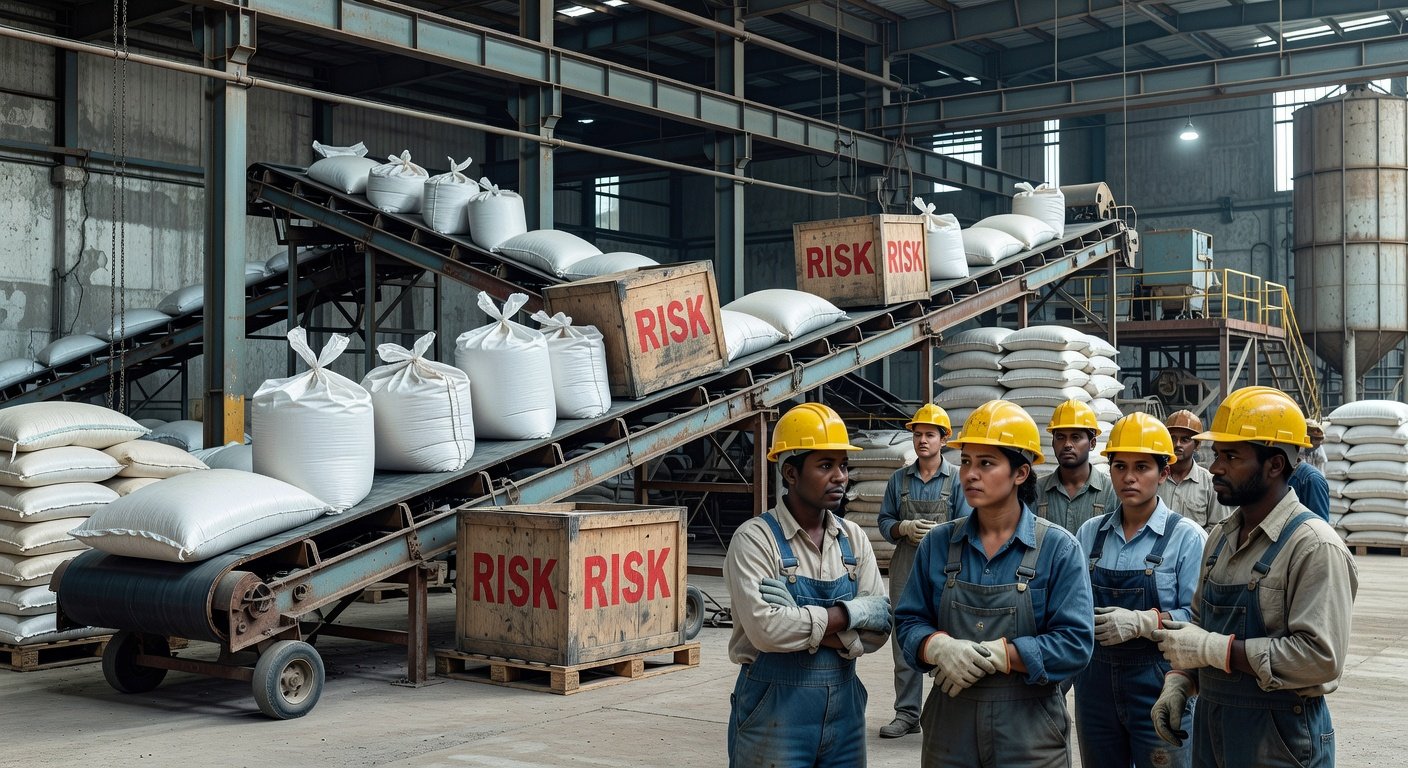
Fertilizer Shock Escalates as New Supply Risks Emerge · Image: Grok AI
Full Summary — powered by AI
Global fertilizer markets are facing heightened disruptions due to ongoing conflicts in the Middle East, which have significantly impacted the supply of essential nutrients for crops. The Strait of Hormuz, a critical chokepoint for international shipping, has seen blockages that hinder the transport of key materials like urea, a nitrogen-based fertilizer vital for growing corn and other staples. This has resulted in sharply rising prices, putting pressure on farmers who rely on these inputs to maintain yields. As demand for food continues to grow with a global population exceeding 8 billion, such interruptions threaten to drive up costs and contribute to food insecurity in vulnerable regions.
Beyond the immediate effects, new risks are emerging in other areas of the fertilizer industry, which could compound these challenges. Factors such as geopolitical tensions and potential production shortfalls in major exporting countries might lead to broader supply chain vulnerabilities. Experts highlight that fertilizers play a crucial role in modern agriculture, with global production reaching around 200 million metric tons annually, and any disruptions could ripple through economies. This situation underscores the interconnectedness of global trade and energy markets, as many fertilizers depend on natural gas for manufacturing. Understanding these dynamics is essential for policymakers and farmers to mitigate risks and ensure stable food supplies moving forward.
Read More (Free Sources)
- fertilizer+supply+risks+Middle+East — AP News — AP News
- fertilizer+supply+risks+Middle+East — BBC — BBC
- fertilizer+supply+risks+Middle+East — NPR — NPR