Meteor Explosion Over Northeast Ohio Sparks ‘Treasure Hunt’ in Medina County
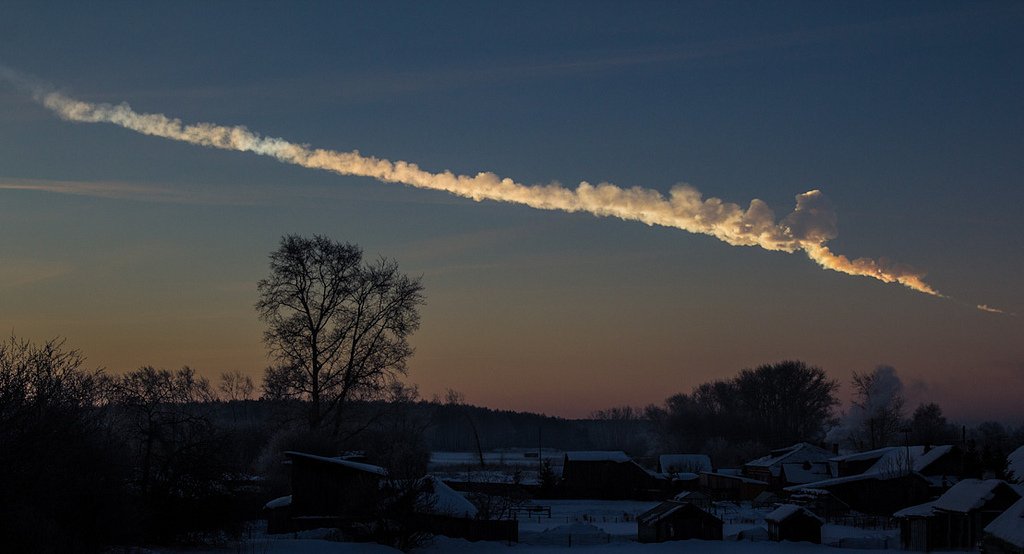
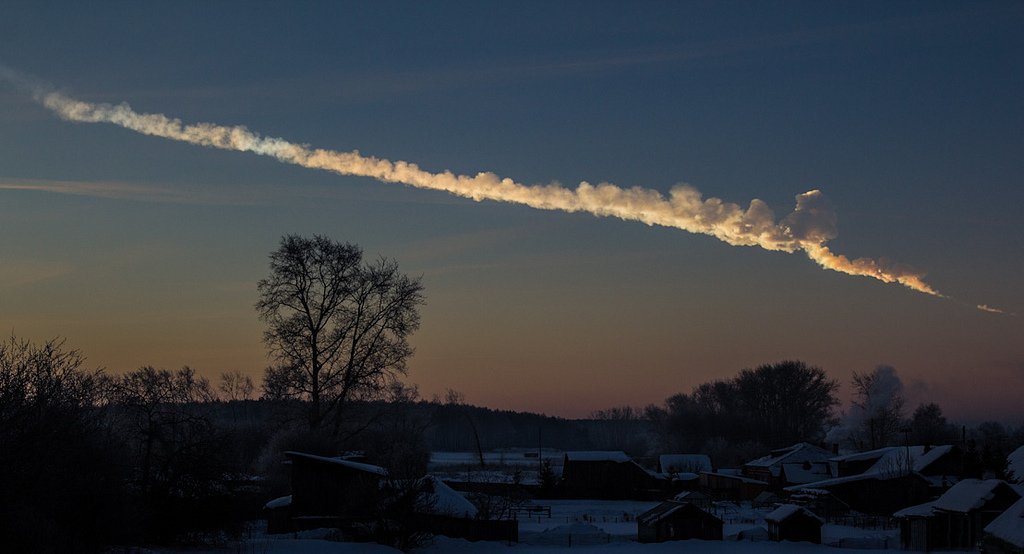
MEDINA, Ohio—A bright fireball streaked across the skies of Northeast Ohio on the morning of March 17, 2026, exploding with a sonic boom that rattled windows across the region and drawing amateur and professional meteorite hunters to Medina County in search of fragments from a rare cosmic event.
NASA confirmed that a roughly 6-foot-wide asteroid, weighing about 7 tons, entered the atmosphere and broke apart with the force equivalent to 250 tons of TNT, primarily over Valley City in northwest Medina County. Most of the object burned up during its high-speed descent, but small fragments survived and scattered across a narrow “strewn field” stretching from areas near Hinckley in northern Medina County south-southwest toward Rittman and parts of Wayne County. Doppler radar and eyewitness reports helped map the likely debris zone.
The event, which occurred shortly before 9 a.m. on St. Patrick’s Day, produced a loud explosion and bright flash visible and audible from Wisconsin to Maryland. Within days, the incident transformed parts of rural Medina County—home to about 182,000 residents—into an impromptu gathering spot for rock hunters armed with metal detectors, cameras and keen eyes. By the following weekend, visitors from out of state converged on public lands, fields and roadsides, hoping to recover pieces of the meteorite.
Several fragments have already been recovered and confirmed. Professional meteorite hunter Roberto Vargas, 40, of Bristol, Connecticut, reported finding at least two pieces in the Sharon Center area, describing them as unlike any terrestrial rock. “No rock on Earth looks like this,” Vargas said. He previously earned $40,000 from fragments recovered after a 2017 meteorite event in Costa Rica, illustrating the potential monetary value of such finds. Smaller walnut-sized pieces could fetch hundreds to thousands of dollars from collectors, universities or museums, though most recovered fragments so far have been modest in size.

The influx of hunters has provided an unexpected economic lift to local businesses. Restaurants, gas stations, hotels and outdoor retailers in Medina County reported increased foot traffic during the first weekend after the explosion. Some visitors treated the search as a serious scientific pursuit, while others approached it more casually, turning the event into what local media described as a real-life treasure hunt.
Medina County Sheriff’s Office officials noted a rise in trespassing complaints as enthusiasts ventured onto private property in pursuit of potential finds. Authorities have received multiple calls but reported no arrests or major incidents tied to the searches. Officials have reminded the public to respect property rights and stick to public lands, such as River Styx Park near Wadsworth, which has emerged as a popular gathering spot.
The Medina County event stands out because successful meteorite recoveries in the United States are relatively uncommon, particularly from fireballs large enough to produce audible sonic booms. The American Meteor Society has documented initial finds, and NASA’s mapping of the strewn field has guided hunters while underscoring the scientific value of the material. Fragments from such events can offer insights into the early solar system, as meteorites are among the oldest objects available for direct study on Earth.
Broader context reveals that while dramatic fireballs capture public attention, the vast majority of meteors disintegrate harmlessly in the atmosphere. The U.S. sees thousands of meteorite falls annually, but only a small fraction are recovered. When recoveries do occur, they often generate short-term local economic activity similar to other “treasure hunt” phenomena, such as rare coin or fossil discoveries. In Medina County’s case, the combination of a well-documented event, accessible rural terrain and immediate media coverage accelerated the response.
Property owners and local law enforcement face familiar challenges seen in other sudden public rushes—whether for gold prospecting in the 19th century, geocaching booms or modern searches for lost artifacts. While no widespread damage has been reported, the situation highlights the balance between welcoming public interest in science and protecting private land rights. Medina County, with its mix of farmland, parks and small communities, offers both opportunity and logistical hurdles for large-scale amateur searches.
The economic ripple effects remain modest but tangible for a county that relies on agriculture, manufacturing and proximity to the Cleveland metropolitan area. Increased patronage at local establishments provides a temporary boost, though long-term benefits will depend on how sustained the interest proves to be. Some hunters have already moved on after initial searches, while others continue methodical efforts using specialized equipment.
Scientists and meteorite experts emphasize proper documentation and chain of custody for any recovered material, as verified specimens can contribute to research collections worldwide. The American Meteor Society and NASA have encouraged finders to report discoveries for scientific cataloging, even as commercial markets exist for private collectors.
As the initial surge subsides, the Medina County meteor serves as a reminder of the occasional intersection between celestial events and everyday American communities. Rare enough to generate excitement, yet harmless in its outcome, the explosion has offered a moment of wonder in a region more accustomed to terrestrial news. Whether additional significant fragments emerge remains to be seen, but the event has already left its mark—both in the ground and on local businesses—while testing the community’s ability to manage an unexpected influx of visitors.
Medina County officials continue to monitor the situation, with no formal end date set for the informal hunt. For now, the strewn field remains an open invitation for those willing to search within legal bounds, turning a fleeting astronomical phenomenon into a brief chapter of local history.