President Trump Pushing for a ‘Hormuz Coalition’ Signals Escalation in U.S.-Iran Standoff Over Vital Oil
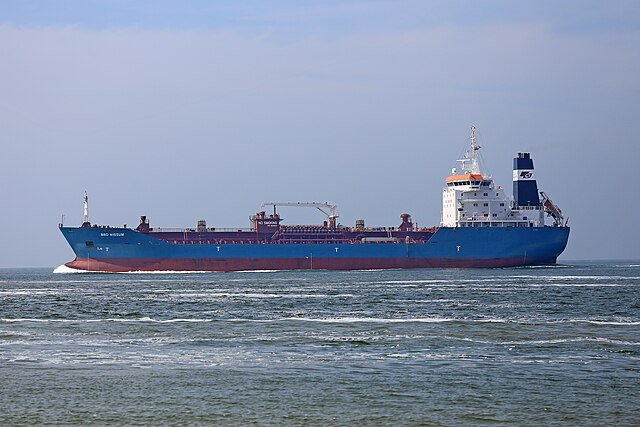
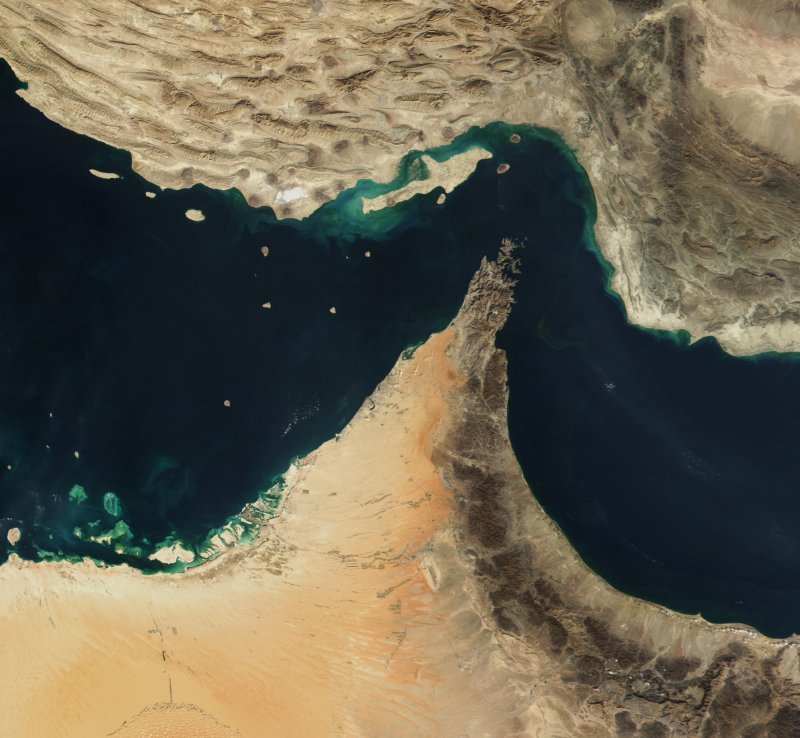
President Donald Trump is intensifying diplomatic and military pressure on Iran, actively seeking to form what aides are calling a “Hormuz Coalition” of nations to reopen the Strait of Hormuz, the narrow waterway through which roughly one-fifth of the world’s seaborne oil passes. According to administration officials and sources familiar with the discussions, Trump aims to announce the multinational effort later this week, even as he weighs more aggressive options—including the potential seizure of Iran’s strategic Kharg Island oil export hub—if the Iranian blockade persists.
The push comes amid the third week of an escalating U.S.-Israeli military campaign against Iran that has already disrupted global energy flows dramatically. Iran has effectively halted most commercial tanker traffic through the strait while selectively allowing vessels carrying its own crude—primarily destined for China—to pass. This asymmetric blockade has bottled up millions of barrels of Gulf crude from producers like Saudi Arabia, the UAE, and Iraq, driving benchmark oil prices higher and injecting fresh volatility into already strained global markets.
On Saturday, Trump took to Truth Social to declare that the U.S. and “several other countries” would deploy warships to secure safe passage for commercial shipping. He specifically called on China, France, Japan, South Korea, and the United Kingdom to contribute naval assets. Speaking to reporters aboard Air Force One on Sunday, the president doubled down, demanding that NATO allies and major oil-importing nations step up. “Most of this oil isn’t our oil—it goes to other countries,” a senior administration official quoted Trump as saying. “So if they want it and they want the price to come down, they need to help out.”

The administration’s weekend diplomacy has been intense. Trump held calls with British Prime Minister Keir Starmer and is scheduled to discuss the issue with Japanese Prime Minister Sanae Takaichi during her upcoming White House visit. Sources indicate the president has engaged roughly seven countries, though no public commitments have emerged yet. Trump has warned that failure to join could damage NATO’s future relevance and hinted at possibly postponing his planned late-March summit with Chinese President Xi Jinping if Beijing does not engage.

Parallel to the coalition-building, Trump has kept military options front and center. On Friday, he announced U.S. strikes that “totally obliterated” military targets on Kharg Island—a small island 15 miles off Iran’s coast that handles approximately 90% of the country’s crude exports—while deliberately sparing oil infrastructure. In a Saturday interview with NBC News, he suggested additional strikes could follow, quipping that the U.S. “may hit it a few more times just for fun.” Officials emphasize no final decision has been made on seizing the island, which would require U.S. ground forces and carry substantial risks, including potential Iranian retaliation against Gulf oil facilities and pipelines.
One U.S. official described a Kharg seizure as an “economic knockout” that could defund Tehran’s war effort by cutting off its primary revenue stream. Another cautioned that while the rewards could be significant, the risks—including escalation into a broader regional conflict—are “big.” Sen. Lindsey Graham (R-S.C.) endorsed the approach on social media, calling Kharg Island a rare “single target” capable of decisively shifting the war’s trajectory.
The stakes for global energy are immense. The strait closure has already contributed to a sharp rise in crude prices, compounding inflationary pressures in major economies. Unlike past disruptions, this one stems directly from an active conflict involving the world’s largest oil consumer and military power. The IEA’s recent release of 400 million barrels from emergency stocks provided temporary relief, but sustained blockades could quickly overwhelm such measures. Iran’s selective enforcement—allowing its own exports while choking others—has drawn particular ire, as it sustains Tehran’s cash flow to China even as it inflicts pain on rivals.
From a strategic perspective, Trump’s approach reflects a blend of unilateral muscle and burden-sharing rhetoric that has defined his foreign policy. By framing the strait as a global commons rather than solely an American interest, he seeks to distribute costs among beneficiaries—many of whom have historically relied on U.S. naval protection without commensurate contributions. The emphasis on China is particularly pointed: Beijing’s voracious appetite for Iranian oil gives it leverage, yet Trump’s threats to delay high-level talks signal willingness to link energy security to broader bilateral issues.
Critics may see echoes of past miscalculations in the region, where initial strikes or shows of force have sometimes prolonged rather than resolved conflicts. Seizing Kharg would cross a major threshold, potentially triggering asymmetric Iranian responses—cyberattacks, proxy militia actions, or strikes on Saudi facilities—that could spike oil prices far beyond current levels. Yet inaction risks entrenching the blockade, allowing Iran to dictate terms in a chokepoint it has long threatened to weaponize.
The president’s public bravado—threatening “fun” additional strikes—may aim to project strength and pressure Tehran toward negotiations. Reports suggest Iran has floated conditional safe passage for tankers paying in yuan rather than dollars, a move that would further erode U.S. financial dominance. Whether coalition partners materialize remains uncertain; European allies face domestic political constraints, while Asian importers weigh economic fallout from higher energy costs against alignment with Washington.
In the end, the Hormuz crisis tests not just military resolve but the willingness of the international community to defend critical trade arteries amid great-power competition. Trump’s coalition gambit could either rally allies to restore stability or expose fractures if major players demur. As tankers idle and prices climb, the coming days will reveal whether diplomacy backed by credible force can reopen the strait—or if escalation toward Kharg becomes the next chapter in a conflict already reshaping global energy security.